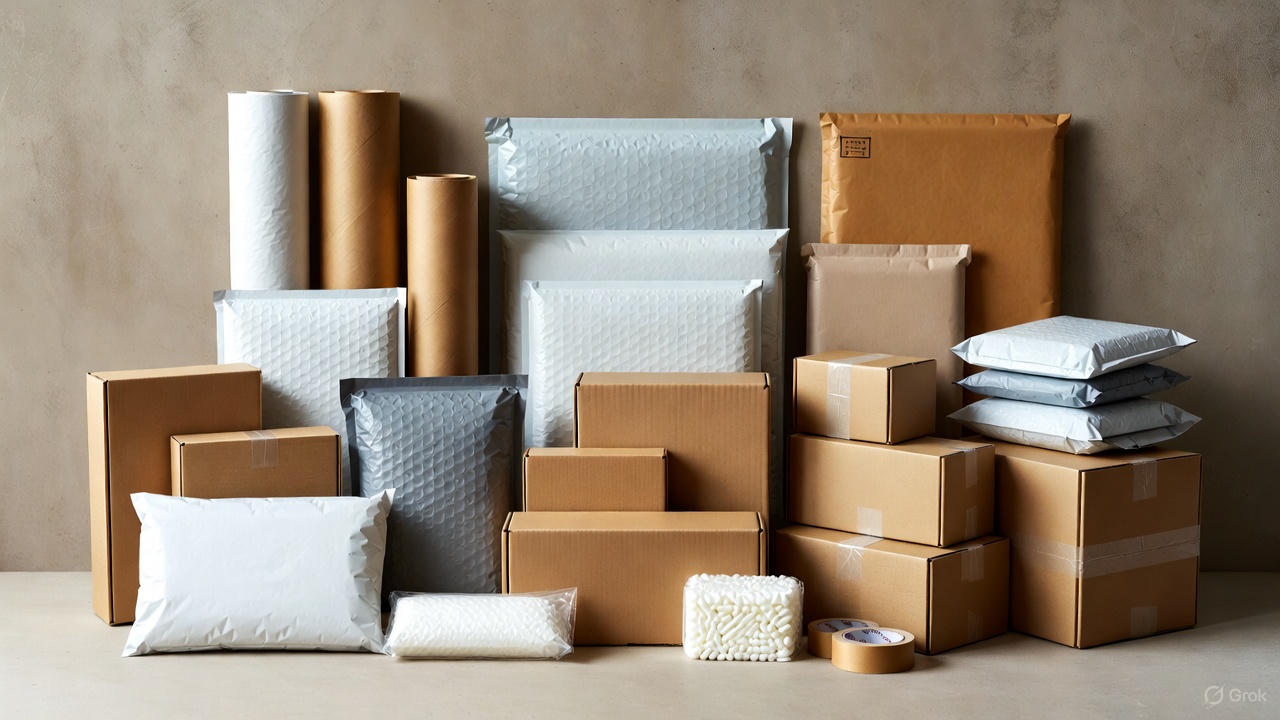
If you want products to arrive in perfect condition, choosing the right parcel wrap is just as important as choosing the right box. Different wrapping materials protect against different risks during transit, including impact damage, moisture, dust, scratches, and movement inside the package. From bubble wrap and foam wrap to brown parcel paper, book wraps, stretch film, and mailing bags, each option serves a specific purpose. The best protection often comes from combining several packaging materials to create multiple layers of defence throughout the delivery journey.
Every parcel faces a variety of challenges before it reaches its destination. It may be stacked in a warehouse, loaded onto delivery vehicles, handled by multiple people, and exposed to changing weather conditions. This is why experienced shippers rarely rely on a single protective layer.
What are the Most Popular Parcel Wraps?
Bubble Wrap: The Heavyweight Champion of Cushioning
It’s loud, it’s fun to pop, and it’s arguably the most dependable protective material ever created. Walk into any warehouse or fulfilment centre, and you’re bound to see a massive roll of bubble wrap.
The magic lies in the trapped air. By creating a literal buffer zone around an object, bubble wrap absorbs the shock of sudden drops or rough handling before that kinetic energy can reach the product itself.
Best suited for:
- Glassware, ceramics, and pottery
- Delicate electronics
- Intricate homeware and candles
If you’re shipping a fragile, handmade ceramic vase, skipping the bubble wrap is a massive gamble. One bad bump on a pothole, and a guaranteed sale instantly turns into a costly refund request.
Foam Wrap: Preventing the Dreaded Scratch
Not all damage happens in pieces. Sometimes a product arrives fully functional but visually ruined. A deep scratch across a premium laptop casing or a scuff on a custom picture frame is a surefire way to disappoint a customer.
That’s where foam wrap comes in. Instead of absorbing heavy impacts, foam is designed to prevent surface friction. It acts as a silky, non-abrasive barrier that keeps items from rubbing against the outer box—or against each other.
Best suited for:
- Screens, tablets, and smartphones
- Polished metal or painted goods
- Furniture components and frames
For premium brands, presentation is everything. Foam wrap ensures that “new” actually looks brand new upon unboxing.
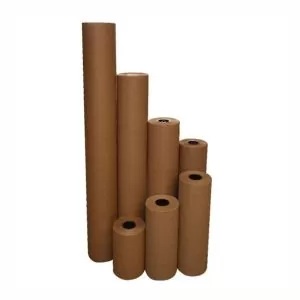
Brown Parcel Paper: The Versatile Classic
While packaging technology constantly evolves, traditional brown parcel paper refuses to go out of style. It’s the ultimate multi-tasker at the packing station, functioning as a neat outer wrapping, a lightweight surface protector, or even crumpled up as void fill to stop items from rattling around.
Why businesses still love it:
- It adds a clean, professional, and slightly rustic aesthetic.
- It prevents minor scuffs and dust buildup.
- It’s highly recyclable and eco-friendly.
Book Wraps: Guarding the Edges
Books present a unique shipping challenge. They aren’t fragile like glass, but they are incredibly prone to cosmetic damage. Anyone who has ordered a novel online only to find creased covers or smashed corners knows the frustration.
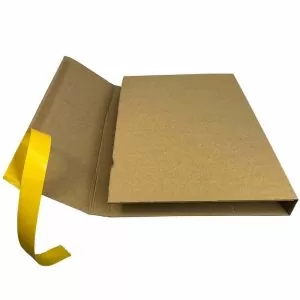
Book wraps are rigid, tight-fitting cardboard sleeves engineered specifically to hug printed materials. By eliminating all internal movement, they ensure the corners of a book never take the brunt of a drop.
Best suited for:
- Hardbacks and paperbacks
- High-end catalogues, magazines, and portfolios
Mailing Bags: Streamlining Lightweight Orders
Not every item requires a fortress of cardboard and plastic. Shipping a hoodie or a pair of socks in a rigid box wastes space, drives up shipping costs, and frustrates the eco-conscious consumer. Sturdy, weatherproof mailing bags are perfect for flexible, non-fragile items that need to stay clean and dry.
Best suited for:
- Clothing and apparel
- Textiles and soft home goods
Stretch Film: Securing the Big Stuff
Stretch film (or pallet wrap) doesn’t protect individual items; it protects entire shipments. In warehouses, boxes are stacked high on wooden pallets. Without stretch film tightly binding them together into a single, cohesive unit, the entire load would shift, topple, and collapse during transit.
At-a-Glance: Parcel Wrap Selection Guide
| Packaging Material | Primary Risk Defence | Best Suited For | Key Specification |
| Bubble Wrap | Heavy impact & shock absorption | Glassware, ceramics, delicate electronics, candles | Use small bubbles (10mm) for small items; large bubbles (25mm) for heavy cushioning. |
| Foam Wrap | Surface friction, scuffs, & scratches | Screens, tablets, polished metal, painted goods, furniture | Choose non-abrasive polyethene foam (1mm–2mm thickness) for optimal surface protection. |
| Brown Kraft paper | Minor scuffs, dust, & empty space (void fill) | Eco-friendly outer wrap, lightweight surface protection | Look for durable 70gsm to 90gsm weight to prevent tearing during transit. |
| Book Wraps | Corner crushing & internal movement | Hardbacks, paperbacks, high-end catalogues, portfolios | Ensure a rigid, tight-fitting cardboard sleeve that eliminates all internal sliding. |
| Mailing Bags | Moisture, dirt, & weather exposure | Clothing, apparel, textiles, soft home goods | Opt for weatherproof co-extruded polythene or heavy-duty compostable mailers |
| Stretch Film | Load shifting, toppling, & pallet instability | Multi-box shipments, bulk warehouse pallets | Use high-performance blown stretch film for superior puncture resistance on sharp corners. |
The Secret? Mixing and Matching
The best packaging strategy rarely relies on just one material. Smart businesses analyse the specific vulnerabilities of their product and layer their defences. A smartphone might be wrapped in foam to protect the screen, placed in a fitted box, cushioned with bubble wrap, and sealed in a weatherproof mailer.
Ultimately, the best packaging is invisible to the consumer. When an order arrives flawlessly, the customer doesn’t think about the wrap—but the business knows it made all the difference.