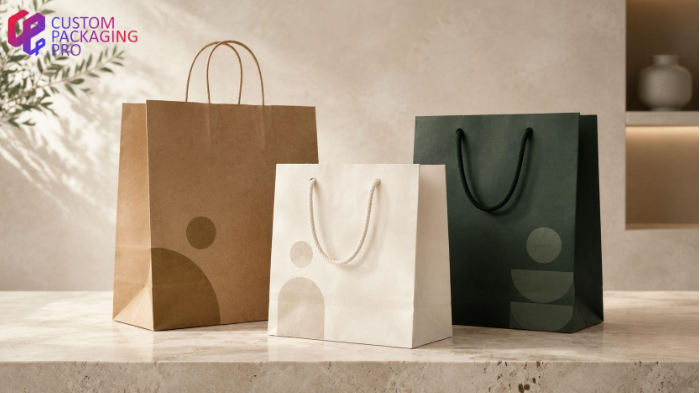
A customer may spend minutes at a till, but the bag can remain visible much longer. It moves through shopping streets, offices, public transport and homes, giving the brand exposure after the transaction.
Custom paper bags turn a practical retail item into a recognisable part of the customer experience. Their value depends on more than printing a logo on the front. The paper strength, dimensions, base, handles and finish must all suit the products being carried. If a bag tears, feels awkward or is too large for the purchase, the negative experience may be remembered more clearly than the design.
Well-planned paper bags connect physical retail with the wider brand identity. They reinforce colours and typography used across boxes, labels and online channels while making purchases easier to carry.
Treat the Bag as Part of the Customer Experience
Packaging does not stop protecting or representing a product once it leaves the shop. A balanced bag makes the purchase feel complete, while a poorly proportioned one may make even a premium item look temporary. Retailers should therefore specify bags alongside other customer touchpoints rather than treating them as an afterthought.
The bag should separate easily from a stack, hold its shape and accept products without a complicated packing routine. Its handles must remain comfortable for the expected weight and journey.
Choose Dimensions Around Real Purchases
Customizable paper bags can be produced in dimensions that match common baskets and product combinations. A jewellery shop may need a compact portrait bag, while a clothing retailer may require a wider format with enough depth for folded garments. Food sellers may need a broad base that keeps containers level.
Oversized bags waste material and allow products to move. Bags that are too small can crease boxes, strain handles or make packing slow. Businesses should measure the finished products, including any boxes or tissue, and test typical multi-item orders before approving the bag size.
Match Paper Strength to Carrying Weight
Paper weight and construction affect how the bag performs. Lightweight stock may suit small, low-weight purchases, while heavier products need stronger paper, a reinforced top and a dependable base. The bag should be assessed as a complete structure because paper strength alone cannot compensate for weak handle fixing or poor gluing.
A practical test uses the expected load and carrying time. Fill a sample with the heaviest normal purchase, lift it repeatedly and check the base, side folds and handle holes. This provides more useful information than judging an empty bag by touch.
Select Handles for Comfort and Brand Style
Twisted paper handles are practical for many everyday retail uses and can support a natural or minimal appearance. Flat paper handles are easy to stack and may suit food service or high-volume shops. Rope or ribbon handles can create a more refined presentation for gifts, fashion and beauty products.
Handle choice should account for weight as well as appearance. The length must make the bag comfortable to carry without allowing it to drag or tip. Reinforced turn-over tops and internal patches may be useful where the handle attachment faces greater pressure.
Use Printing to Make the Bag Recognisable
Custom printed paper bags should be identifiable at a glance. A clear logo, controlled colour palette and readable typography usually have more impact than filling every panel with text. Side gussets and the reverse panel can carry secondary information when it supports the design.
Offset, gravure and digital printing offer different advantages depending on quantity, artwork and material. The selected paper can influence colour, especially when printing on brown kraft or textured stock. A printed proof or physical sample helps confirm contrast and colour before production.
Choose Finishes That Support the Brand
Matte, gloss, satin and soft-touch finishes create different visual and tactile effects. Gloss can strengthen colour and reflect light, while matte and satin surfaces create a quieter appearance. Soft-touch finishes may suit premium retail, but every coating should be considered alongside handling, disposal and cost.
Foil, embossing, debossing and spot varnish can draw attention to a logo or pattern. They work best as selective details. Excessive decoration may increase cost and make the bag compete with the product packaging rather than complement it.

Coordinate Paper Bags with Retail Packaging
A bag does not need to copy the box inside it, but both should look connected. Consistent logo use, colours and typography can link bags with gift boxes, tissue, stickers and receipts. This creates a complete brand system across different product formats.
Retailers can also develop a flexible family of bags rather than one size for every order. Small, medium and large formats can share the same visual design while using structures appropriate for their contents. This improves presentation and reduces unnecessary material.
Design for Fashion, Gifts and Beauty Retail
Fashion and beauty purchases often benefit from bags that maintain a clean shape and create a considered handover. Rope or ribbon handles, heavier paper and a restrained finish can support premium positioning. Tissue or a fitted base card may help protect delicate items without overcrowding the bag.
Gift retailers should consider how the bag works with boxed products. The base needs to accommodate the gift box without excessive movement, and the height should allow comfortable closure or tissue presentation. Custom paper bags can also be designed for seasonal ranges while retaining the main brand identity.
Plan Paper Bags for Food and Takeaway Use
Food applications require a specification suited to the contents. A bag carrying dry bakery goods has different needs from one holding warm takeaway containers or bottled drinks. The width, base and paper must support the load and keep containers stable.
Businesses should confirm whether the food touches the bag directly and whether a suitable liner or separate primary package is required. Grease, moisture and heat can change paper performance, so testing should reflect real service and delivery conditions rather than an empty display sample.
Wholesale Ordering Requires Clear Specifications
Printed paper bags wholesale orders can improve consistency and unit pricing, but the approved specification should record dimensions, paper, handles, print colours, finishes, construction and packing method. A visual mock-up helps review layout, while physical sampling can reveal practical problems.
Quantity should be based on forecast use, storage space and the likelihood of artwork changes. Ordering more bags than a business can store or use may reduce the value of a lower unit price. Flat-packed delivery can save space, provided the bags open cleanly and retain their intended shape.
Make Responsible Environmental Claims
Paper bags may support a lower-plastic packaging approach and some formats can enter paper recycling streams. However, the finished bag should be assessed as a whole. Laminations, metallic finishes, plastic handles, adhesives, heavy food contamination and mixed materials may affect local recycling options.
Terms such as recyclable, biodegradable or compostable should be supported by the exact material specification and relevant disposal conditions. Clear guidance is more useful to customers than broad claims based only on the bag being made primarily from paper.
Create Custom Paper Bags with Custom Packaging Pro UK
Custom Packaging Pro UK produces paper bags in custom sizes and shapes for retail, food, fashion and gifting applications. Available production options include offset, gravure and digital printing, along with gloss, matte, satin, aqueous and soft-touch finishes. Flat views, 3D mock-ups and physical samples can support approval.
The service supports custom packaging bags, custom retail packaging, custom package printing and packaging design services. Material and structural options can be selected around the intended product, brand style and carrying requirements.
The stated turnaround is 6–8 working days, with bags supplied flat or assembled according to the specification. A quote request should include bag dimensions, product type and weight, quantity, paper stock, handle style, artwork, printing, finishes and any food-related requirements.

Frequently Asked Questions
- What information is needed to order custom paper bags?
Provide the required dimensions, expected product weight, quantity, paper stock, handle type, artwork, print colours, finishes and whether the bags will be used for food, retail or gifting.
- Which handle style is best for printed paper bags?
The best handle depends on weight, usage and brand style. Twisted and flat paper handles suit many everyday applications, while rope or ribbon handles may suit premium retail and gift bags.
- Can paper bags be printed in full colour?
Yes. Offset, gravure or digital printing may be used depending on quantity, artwork and material. Because paper colour and texture influence the result, a printed proof or sample is useful.
- How should businesses choose a paper bag size?
Measure the finished products and test common order combinations, including boxes and tissue. The bag should provide enough room for quick packing without allowing excessive movement.
- Are all paper bags recyclable?
Not automatically. Coatings, laminations, metallic decoration, handles, adhesives and contamination may affect recycling. Disposal claims should be confirmed against the exact finished specification and local guidance.