
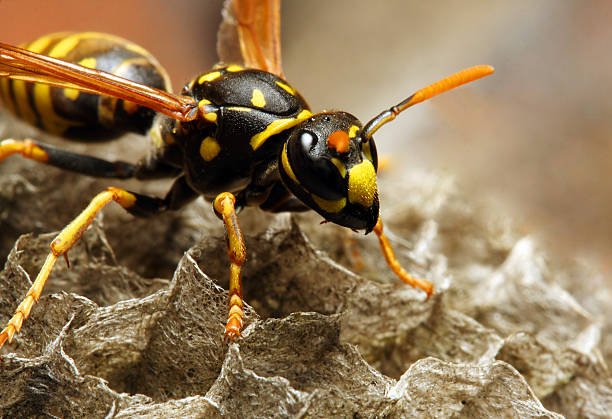
Outdoor dining is a great way to enjoy Melbourne’s warmer weather, whether you are having a family barbecue, eating on the patio or hosting friends in the garden. However, wasps can quickly become an unwanted presence around outdoor tables. They are often attracted to exposed food, sugary drinks, rubbish and other sources of nourishment.
Although seeing a few wasps does not necessarily mean there is a nest nearby, repeated activity may indicate that they are regularly visiting your property or nesting in the surrounding area. Taking practical steps to reduce attractants can make outdoor spaces less appealing to wasps and help people enjoy meals more comfortably.
1. Keep Food Covered When Dining Outdoors
Food is one of the main reasons wasps approach outdoor dining areas. Sweet foods, fruit, meat and other exposed items can attract them while people are eating.
Keep dishes covered until they are ready to be served. Use food covers, sealed containers or serving lids to limit access. Once everyone has finished eating, clear plates and leftovers rather than leaving them on the table.
Avoid leaving uncovered food outside for extended periods, particularly during warmer weather when wasp activity may be more noticeable.
2. Manage Sugary Drinks and Beverage Containers
Soft drinks, fruit juices, cordial and other sweet beverages can attract wasps. Open cans and bottles are particularly concerning because a wasp may enter the container without being noticed.
Use cups with lids where practical and keep drink containers covered between servings. Before taking a sip, check the rim and inside of an open container, especially if it has been left unattended.
If you are hosting a gathering, provide a designated area for empty cans, bottles and drink containers. This helps prevent sugary residue from accumulating around the dining table.
3. Clean Tables and Outdoor Surfaces Regularly
Small food spills can attract wasps even after a meal has finished. Sticky drink residue, fruit juice, sauces and food scraps may remain on outdoor tables, chairs and nearby surfaces.
Wipe down dining furniture after each meal and clean spills as soon as possible. Sweep around the seating area to remove crumbs and leftover food. If food has fallen onto paving or decking, clean the affected area rather than allowing residue to remain.
A regular cleaning routine helps reduce food sources and makes the dining area less attractive to visiting wasps.
4. Use Outdoor Bins With Secure Lids
Open rubbish bins can become a reliable food source for wasps. Food packaging, fruit scraps, meat residue and empty drink containers may attract them, particularly when waste is left outside for several hours.
Choose bins with tightly fitting lids and empty them regularly. Keep rubbish containers away from outdoor dining tables where possible. Make sure recycling containers are also rinsed or emptied when they contain sugary drink residue.
For larger gatherings, provide a covered rubbish bin so guests can dispose of food waste without leaving it exposed.
5. Reduce Other Food Sources Around the Garden
Wasps may visit outdoor dining areas because of food sources elsewhere in the garden. Fallen fruit, pet food, uncovered compost and overflowing rubbish can all encourage regular activity.
Remove fallen fruit from trees and the ground, particularly if it has become soft or damaged. Avoid leaving pet food outdoors for long periods and keep compost containers properly covered.
It is also worth checking outdoor entertaining areas for food residue after barbecues. Cleaning the barbecue, surrounding surfaces and serving areas can help reduce the smells and scraps that attract wasps.
6. Inspect Nearby Areas for Wasp Activity
If wasps repeatedly appear around the same outdoor dining space, it is worth checking the surrounding property for signs of nesting activity. Wasps may build nests in roof cavities, wall gaps, sheds, trees, eaves and sheltered garden structures.
Observe their movement from a safe distance. If several wasps repeatedly travel towards the same opening or sheltered location, there may be a nest nearby.
Do not approach, touch or disturb a suspected nest. Wasps can become defensive when their colony is threatened, and disturbing the area may increase the risk of stings.
For properties experiencing ongoing activity, professional wasp removal Melbourne services can help assess the situation and determine whether a nest needs attention.
7. Consider the Placement of Outdoor Dining Furniture
The location of your outdoor table and chairs can influence how often wasps come into contact with guests. Avoid placing dining furniture directly beside areas where wasps are regularly seen entering or leaving.
If you notice repeated activity around a particular tree, garden structure or roofline, consider using another part of the outdoor space until the situation has been assessed.
Keep pathways and access points clear so people can move away calmly if wasps approach. This is particularly important when children or older family members are using the area.
8. Be Careful With Fragrances and Garden Products
Some scented products and garden conditions may contribute to insect activity around outdoor spaces. While fragrance alone does not explain every wasp visit, it is sensible to avoid excessive use of strongly scented products around food.
Keep perfumes, scented candles and fragranced lotions away from food preparation and serving areas where practical. More importantly, focus on removing food and rubbish attractants rather than relying on fragrances or homemade repellents.
There is no single scent-based solution that can reliably keep every wasp species away.
9. Avoid Disturbing Wasps or Attempting DIY Nest Removal
Seeing wasps near an outdoor table can be unsettling, but swatting at them or trying to spray them may make the situation worse. Sudden movements and attempts to disturb a nest can provoke defensive behaviour.
If a wasp approaches, remain calm and move away slowly. Keep children and pets away from areas where wasps are gathering. Do not block a nest entrance, knock down a nest or attempt to treat it yourself.
If there is a suspected nest close to a frequently used dining area, arrange a professional assessment. A trained technician can identify the activity and determine an appropriate approach based on the nest location and wasp species.
10. Know When Repeated Wasp Activity Needs Professional Attention
Occasional wasp visits may be related to exposed food or drinks. However, a consistent pattern of activity around the same part of your property may require further investigation.
Pay attention to signs such as:
- Wasps repeatedly entering and leaving the same gap or opening.
- Increased activity around roof eaves, sheds or garden structures.
- Wasps gathering near a particular tree or sheltered area.
- Regular sightings around outdoor dining spaces despite good cleaning practices.
If you notice these signs, avoid investigating the suspected nest at close range. Professional wasp control Chelsea may be relevant for properties experiencing persistent activity around outdoor entertaining spaces.
Homeowners in other areas can also explore local services such as wasp removal Berwick and wasp removal Epping when repeated wasp activity becomes a concern. Residents seeking assistance in Clyde can find more information about wasp control Clyde.
Conclusion
Keeping wasps away from outdoor dining areas starts with reducing the things that attract them. Covering food, managing sugary drinks, cleaning surfaces, securing rubbish and removing fallen fruit can all help make a garden or patio less appealing to visiting wasps.
However, these measures will not resolve an established nest nearby. If wasps continue to gather around the same location, keep your distance and arrange a professional assessment. Taking sensible precautions can help protect family members and guests while making outdoor dining more comfortable.