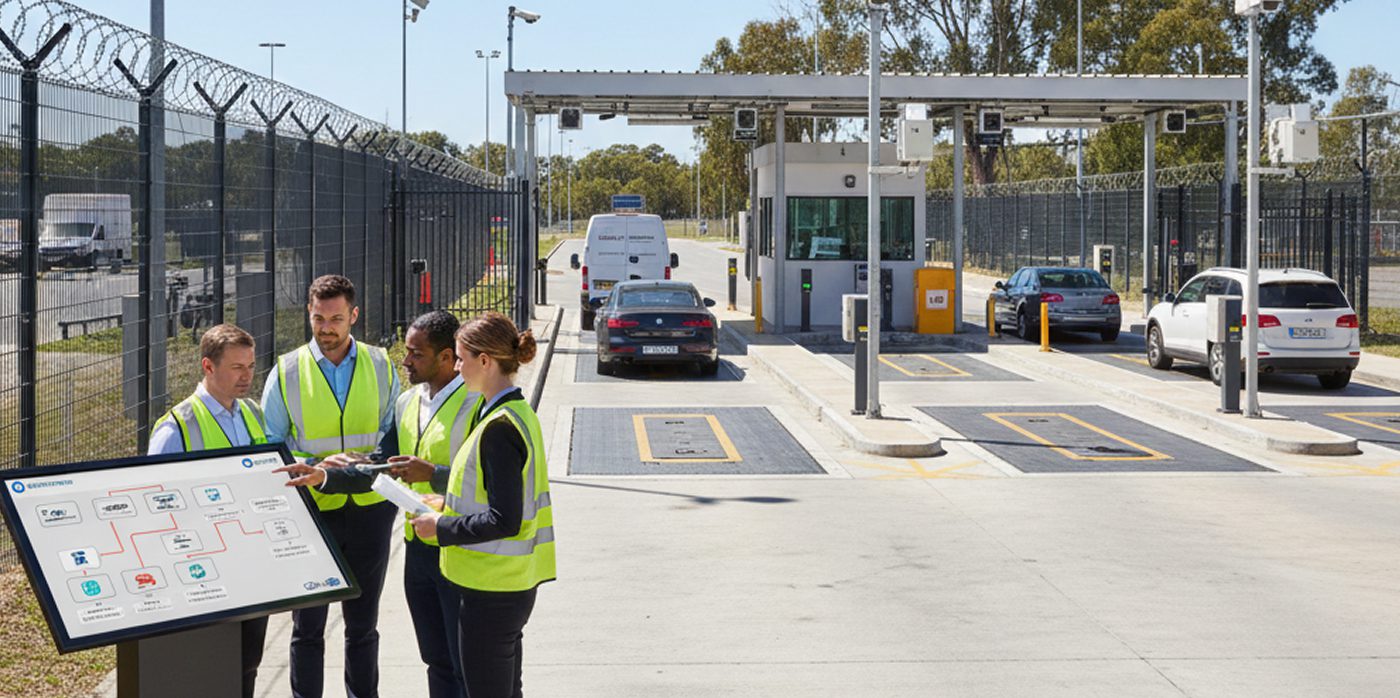
Vehicle security has become a major concern for organizations responsible for protecting people, assets, and critical operations. While drivers can easily monitor their surroundings, one area remains largely invisible during routine vehicle movement—the underside of the vehicle. Hidden objects, unauthorized modifications, and potential threats beneath a vehicle can go unnoticed without specialized inspection tools.
Commport Technologies, a trusted supplier of advanced License Plate Recognition (LPR) systems, helps organizations strengthen vehicle screening processes through intelligent identification and inspection solutions. By combining vehicle recognition technologies with modern inspection systems, facilities can gain complete visibility of incoming and outgoing vehicles, including areas that drivers themselves cannot see.
As security threats continue to evolve, facilities across government, industrial, logistics, airport, port, and commercial sectors are increasingly adopting advanced methods to detect hidden risks beneath vehicles before they enter sensitive locations.
Why Is the Underside of a Vehicle a Security Concern?
Most vehicle inspections focus on visible areas such as the cabin, cargo space, or exterior body panels. However, the undercarriage often provides enough space to conceal suspicious objects or unauthorized attachments.
Potential concerns include:
- Concealed contraband
- Hidden packages
- Tampered vehicle components
- Unauthorized modifications
- Hazardous materials
- Devices intended to bypass traditional inspections
Because drivers rarely see the underside of their own vehicles, relying solely on visual checks creates significant security gaps. Facilities must therefore use specialized technology to inspect areas that are difficult to view manually.
The Challenge of Manual Vehicle Inspections
Many facilities still depend on guards performing visual inspections with flashlights, mirrors, or routine walk-around procedures. While these methods can help identify obvious issues, they often present operational and security challenges.
Limited Visibility
Inspecting a vehicle’s undercarriage manually is difficult, especially in low-light conditions or during high traffic periods.
Time-Consuming Processes
Thorough inspections can slow vehicle flow, creating congestion at entry and exit points.
Inconsistent Results
Inspection quality can vary depending on the experience, attention, and workload of individual security personnel.
Increased Risk of Human Error
Even trained operators may overlook subtle modifications or concealed objects hidden beneath a vehicle.
These limitations highlight the need for automated solutions capable of delivering consistent and comprehensive inspections.
How Modern Under Vehicle Inspection Solves the Problem
Advanced under vehicle inspection technology provides a detailed view of a vehicle’s underside without requiring manual examination.
As vehicles pass through a designated inspection point, high-resolution imaging systems capture detailed undercarriage images in real time. Security personnel can then review the images or use automated comparison tools to identify abnormalities.
This approach helps facilities:
- Detect concealed objects
- Identify vehicle modifications
- Improve inspection consistency
- Reduce checkpoint delays
- Strengthen overall security operations
By eliminating blind spots beneath vehicles, facilities gain a more complete understanding of potential threats before granting access.
Protecting Critical Infrastructure from Hidden Threats
Critical infrastructure facilities support essential services that communities and economies depend on daily. These sites often face elevated security risks due to their strategic importance.
Examples include:
- Power plants
- Water treatment facilities
- Telecommunications centers
- Energy distribution networks
- Transportation systems
A single security breach can disrupt operations and create widespread consequences. Under vehicle inspection technologies help security teams detect suspicious activity early and prevent potential threats from entering restricted areas.
Government Facilities Need Comprehensive Vehicle Screening
Government buildings and secure installations often handle sensitive information, public services, and critical operations.
Traditional access control measures alone may not be sufficient when vehicle-based threats are involved.
Ground-level inspection capabilities allow security personnel to:
Verify Vehicle Integrity
Inspect the physical condition of vehicles entering secure compounds.
Detect Suspicious Attachments
Identify foreign objects or modifications that may require further investigation.
Strengthen Access Control
Support existing security procedures with visual evidence and inspection records.
By incorporating under vehicle inspection into entry screening protocols, government facilities can improve situational awareness and reduce security vulnerabilities.
Managing Vehicle Traffic in Industrial and Manufacturing Sites
Industrial facilities frequently process large numbers of vehicles carrying materials, equipment, and supplies.
Security teams must balance operational efficiency with asset protection.
Advanced inspection systems help industrial organizations:
- Monitor contractor vehicles
- Verify transport vehicles
- Protect sensitive production areas
- Reduce theft and unauthorized access
Automated inspections enable faster vehicle processing while maintaining high security standards.
Logistics Centers Face Increasing Screening Demands
The growth of global supply chains has significantly increased vehicle traffic at logistics hubs and distribution centers.
Facilities must process trucks and delivery vehicles efficiently while ensuring security remains uncompromised.
Faster Screening Operations
Automated vehicle inspection allows rapid screening without lengthy manual checks.
Improved Threat Detection
High-quality undercarriage imaging helps reveal issues that might otherwise go unnoticed.
Better Operational Continuity
Reduced inspection times minimize delays while maintaining strong security procedures.
This combination is particularly valuable in fast-paced logistics environments where efficiency and protection are equally important.
Airports and Ports Require Multiple Layers of Security
Airports and maritime ports are among the busiest transportation environments in the world. They handle thousands of vehicles daily, making effective screening essential.
Vehicles entering these facilities may include:
- Cargo trucks
- Service vehicles
- Maintenance fleets
- Contractor vehicles
- Authorized personnel transportation
Modern inspection technologies provide an additional security layer that complements perimeter surveillance, access control systems, and physical security personnel.
This multi-layered approach helps detect threats before they reach operationally sensitive areas.
How LPR and Vehicle Inspection Systems Work Together
License Plate Recognition technology significantly enhances the effectiveness of vehicle inspection programs.
LPR systems automatically capture and verify license plate information as vehicles approach security checkpoints. When integrated with vehicle inspection systems, security personnel gain both identification data and physical inspection information simultaneously.
Instant Vehicle Identification
Authorized vehicles can be recognized immediately, reducing unnecessary delays.
Automated Access Verification
License plate data can be compared against approved vehicle databases and watchlists.
Enhanced Investigation Capabilities
Inspection images and vehicle identity records can be stored together for future reference.
Improved Threat Assessment
Security teams can evaluate whether a vehicle’s identity matches its physical characteristics and inspection history.
The combination of LPR and inspection technologies creates a more intelligent and efficient screening process.
The Role of Advanced Inspection Technology in Modern Security
As facilities face increasingly complex security challenges, technology plays a vital role in improving threat detection capabilities.
A modern uvss system provides high-resolution undercarriage imaging that allows operators to identify suspicious changes, foreign objects, or structural anomalies beneath vehicles. By automating much of the inspection process, organizations can improve accuracy while reducing the burden on security personnel.
This capability is especially valuable in environments where vehicle traffic volumes are high and security requirements are strict.
Building a Safer Future Through Better Visibility
The area beneath a vehicle has long been one of the most difficult locations to inspect effectively. Yet it remains one of the most important areas to monitor when protecting critical infrastructure, government facilities, industrial operations, logistics hubs, airports, ports, and commercial properties.
Modern under vehicle inspection technologies provide the visibility needed to detect threats that drivers cannot see themselves. When combined with advanced LPR systems, facilities gain a powerful security solution that improves vehicle identification, streamlines screening, and enhances threat detection.
Organizations that invest in comprehensive vehicle inspection strategies today are better equipped to protect their operations, assets, and personnel from evolving security risks while maintaining efficient and secure access control procedures.