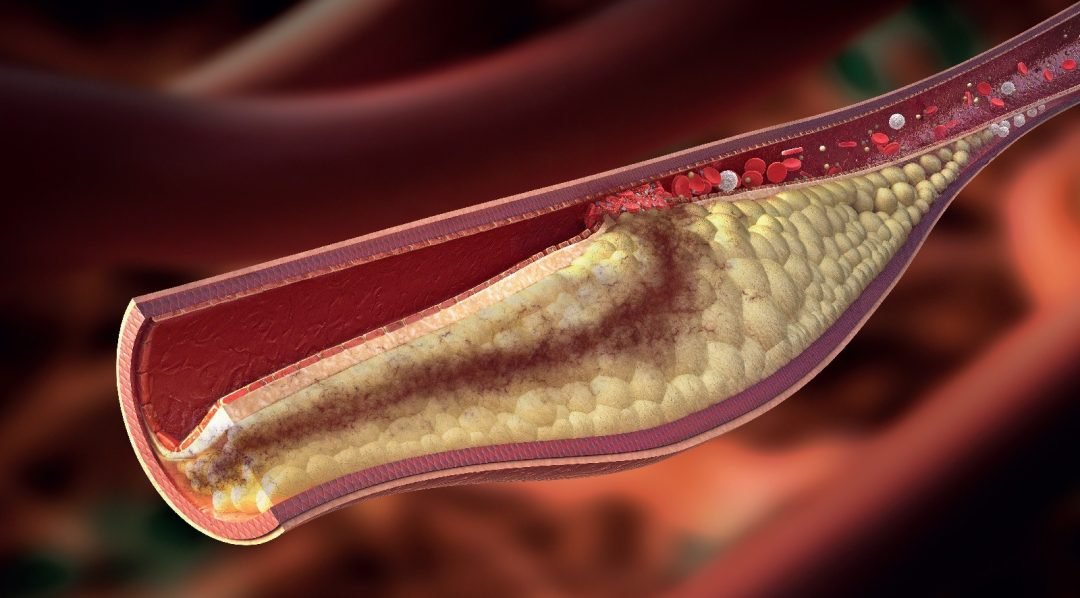
Cholesterol is a waxy substance that the body needs for several essential functions, including producing hormones, supporting cell membranes, and helping with digestion. However, maintaining an appropriate balance of cholesterol is important for overall health. Lifestyle habits can influence cholesterol levels, which is why daily choices are often considered when evaluating high cholesterol.
For people looking for High cholesterolemia Dubai, understanding how food choices, physical activity, body weight, sleep, and other everyday habits may affect cholesterol can help support better health management. A medical consultation can provide a more individualised assessment based on personal health history, existing cholesterol levels, and other relevant factors.
This article explains the relationship between lifestyle factors and cholesterol and discusses how these factors may be considered during a healthcare assessment with Dr. Barbara.
Understanding High Cholesterolemia
High cholesterolemia refers to having elevated levels of cholesterol in the blood. Cholesterol travels through the bloodstream with the help of lipoproteins, including low-density lipoprotein (LDL) and high-density lipoprotein (HDL).
LDL is commonly described as a type of cholesterol that can contribute to cholesterol accumulation within blood vessels when levels remain elevated. HDL helps transport cholesterol from different parts of the body back towards the liver for processing.
A cholesterol assessment usually involves a blood test called a lipid profile. Depending on the individual, this may measure total cholesterol, LDL cholesterol, HDL cholesterol, and triglycerides.
Lifestyle factors are one part of the overall picture. Genetics, age, certain medical conditions, and medications can also influence cholesterol levels. Therefore, lifestyle changes should be considered alongside professional medical guidance rather than as a substitute for an appropriate assessment.
How Diet Can Influence Cholesterol Levels
Food choices can play an important role in cholesterol management. The overall quality of the diet, rather than one individual food, can influence a person’s cholesterol profile.
Foods containing high amounts of saturated fats may affect LDL cholesterol levels. These fats can be found in certain fatty meats, butter, full-fat dairy products, and some processed foods. Replacing some sources of saturated fat with unsaturated fats may be beneficial for cholesterol management.
Fibre is another important dietary factor. Soluble fibre, found in foods such as oats, beans, lentils, fruits, and some vegetables, can support healthy cholesterol levels as part of a balanced diet.
A dietary pattern that includes vegetables, fruits, whole grains, legumes, nuts, seeds, and appropriate sources of protein can provide a variety of nutrients while supporting overall cardiovascular health.
For individuals exploring High cholesterolemia Dubai, discussing dietary habits during a consultation can help identify practical changes that fit their usual eating patterns.
The Role of Physical Activity
Regular physical activity can contribute to healthier cholesterol levels and overall metabolic health. Exercise may help support HDL levels while contributing to weight management and general fitness.
Activities do not necessarily have to involve intense workouts. Walking, cycling, swimming, recreational sports, and other forms of moderate physical activity can become part of a consistent routine.
The most suitable level and type of activity can vary between individuals. Someone who has been inactive for a long time may benefit from gradually increasing their activity rather than making sudden changes.
Consistency is often more important than choosing a particularly demanding form of exercise. Establishing realistic routines can make it easier to maintain physical activity over time.
How Body Weight May Affect Cholesterol
Body weight and cholesterol can be connected through several metabolic processes. Carrying excess body fat may be associated with an unfavourable lipid profile, including higher triglycerides and lower HDL cholesterol in some individuals.
Weight management does not have to focus solely on a number on the weighing scale. Nutrition, physical activity, sleep, stress, and other health factors can all contribute to maintaining a healthy body composition.
For someone with elevated cholesterol, a healthcare professional may review weight and other metabolic factors as part of a broader assessment.
If weight management is recommended, the approach can be adapted to the individual’s lifestyle, dietary preferences, activity level, and general health.
Smoking and Cholesterol Health
Smoking can affect cardiovascular health and may also influence HDL cholesterol. Stopping smoking is therefore an important lifestyle consideration for people looking to improve their overall health.
Quitting smoking can be challenging, particularly for people who have used tobacco regularly for a long period. Professional support can help individuals understand available approaches and develop a practical cessation plan.
A consultation may include questions about smoking and other lifestyle habits when evaluating a person’s overall health profile.
Alcohol Consumption and Cholesterol
Alcohol consumption can affect triglyceride levels and overall metabolic health. The effect may vary according to the amount consumed, frequency, individual health factors, and other lifestyle habits.
For people concerned about cholesterol, discussing alcohol consumption openly with a healthcare professional can help put laboratory results into context.
Rather than considering cholesterol in isolation, clinicians may review dietary patterns, activity, weight, alcohol consumption, and other relevant lifestyle factors together.
Stress and Everyday Habits
Stress does not affect cholesterol in exactly the same way for everyone, but prolonged stress can influence behaviours that are relevant to cholesterol management. For example, stress may contribute to changes in eating habits, reduced physical activity, poor sleep, or increased tobacco or alcohol use.
Finding practical ways to manage everyday stress can therefore support a healthier overall routine.
Activities such as walking, relaxation exercises, hobbies, social activities, and maintaining regular daily routines may help individuals manage stress. The most appropriate approach depends on personal circumstances and preferences.
Sleep and Cholesterol Management
Sleep is another lifestyle factor worth considering when reviewing general metabolic health. Consistently poor sleep can affect appetite, energy levels, activity patterns, and other behaviours that may indirectly influence cholesterol management.
Maintaining a regular sleep schedule, creating a comfortable sleeping environment, and limiting stimulating activities before bedtime may support healthier sleep habits.
If sleep problems are persistent, discussing them with a healthcare professional can help determine whether further evaluation is appropriate.
Why Regular Cholesterol Testing Matters
Lifestyle changes can be useful, but cholesterol levels cannot be accurately determined by symptoms or daily feelings. A blood test is generally needed to understand the current lipid profile.
Regular testing may be recommended depending on a person’s age, medical history, existing cholesterol levels, family history, and other health considerations.
A healthcare professional can compare current results with previous measurements to understand how cholesterol levels are changing over time. This can also help determine whether lifestyle adjustments are having the intended effect.
For individuals considering High cholesterolemia Cost in Dubai, the overall cost of assessment may vary depending on the consultation, laboratory testing, and any additional evaluation recommended according to individual needs.
How a Consultation Can Assess Lifestyle Factors
A consultation with Dr. Barbara can involve reviewing several aspects of an individual’s health rather than focusing on cholesterol numbers alone.
The assessment may include discussion of:
- Current dietary habits
- Physical activity levels
- Body weight and general lifestyle
- Smoking habits
- Alcohol consumption
- Sleep patterns
- Family and personal medical history
- Previous cholesterol results
- Current medications
- Other relevant health factors
This information can help create a more complete picture of the individual’s health and identify lifestyle areas that may be appropriate to address.
Creating Sustainable Lifestyle Changes
One of the most important aspects of lifestyle management is choosing changes that can realistically be maintained. Making several major changes at once may be difficult for some people.
Instead, individuals may begin by focusing on one or two practical areas. For example, someone could increase regular walking, introduce more fibre-rich foods, or review sources of saturated fat in their usual meals.
As these habits become more consistent, additional changes can be introduced when appropriate.
Keeping track of meals, physical activity, weight, or follow-up cholesterol results may also help individuals understand how their habits are progressing.
When Medical Treatment May Be Considered
Lifestyle management is an important component of cholesterol care, but it is not always the only consideration. Some people may have cholesterol levels that require medical treatment based on their individual health profile.
A healthcare professional can review laboratory results and relevant health information before discussing whether medication or additional monitoring is appropriate.
The decision is individual and may depend on cholesterol levels, family history, existing health conditions, age, and other factors.
This is why obtaining an appropriate medical assessment is important rather than relying solely on general lifestyle advice.
High Cholesterolemia Assessment in Dubai
People seeking High cholesterolemia Dubai may benefit from a consultation that considers cholesterol levels alongside their wider lifestyle and health history.
Dr. Barbara can assess relevant health information, discuss lifestyle factors, and help patients understand their cholesterol results. Where appropriate, recommendations can be tailored to the individual’s circumstances and health goals.
Understanding how everyday habits interact with cholesterol can make it easier to have informed conversations during follow-up appointments and develop practical approaches to long-term health management.
Conclusion
Lifestyle factors can have an important influence on cholesterol and overall metabolic health. Diet, physical activity, body weight, smoking, alcohol consumption, sleep, and stress-related habits may all be considered when assessing cholesterol levels.
However, cholesterol management is individual. Genetic factors, medical conditions, medications, and other health considerations can also influence results. A blood test and professional assessment can provide a clearer understanding of an individual’s cholesterol profile.
For those considering High cholesterolemia Cost in Dubai, the appropriate assessment and testing requirements can vary from person to person. Consulting Dr. Barbara can help patients understand their cholesterol results and discuss lifestyle factors that may be relevant to their individual health needs.
FAQs
What is high cholesterolemia?
High cholesterolemia refers to elevated cholesterol levels in the blood. It can involve changes in LDL cholesterol, HDL cholesterol, total cholesterol, or other components of the lipid profile.
Can diet affect cholesterol levels?
Yes. Dietary patterns can influence cholesterol levels. Reducing excessive sources of saturated fat and including fibre-rich foods and healthier unsaturated fats can support healthier cholesterol levels.
Does exercise help manage cholesterol?
Regular physical activity can support a healthier lipid profile and contribute to general metabolic health. Walking, cycling, swimming, and other suitable activities can be incorporated into a consistent routine.
Can body weight influence cholesterol?
Body weight can be associated with cholesterol and triglyceride levels. A balanced diet and regular physical activity can support healthy weight management and overall metabolic health.
Does smoking affect cholesterol?
Smoking can affect HDL cholesterol and is associated with broader cardiovascular health concerns. Stopping smoking can be an important part of improving overall health.
Can alcohol affect cholesterol?
Alcohol can influence triglyceride levels and metabolic health. The effects can vary between individuals, so alcohol consumption may be discussed during a cholesterol assessment.
How is high cholesterol diagnosed?
High cholesterol is generally identified through a blood test, often as part of a lipid profile. The results may include measurements of total cholesterol, LDL cholesterol, HDL cholesterol, and triglycerides.
How often should cholesterol be checked?
The appropriate frequency depends on factors such as age, previous cholesterol results, family history, medical conditions, and overall health. A healthcare professional can recommend a suitable testing schedule.
Can lifestyle changes replace cholesterol medication?
Not always. Some individuals may benefit from lifestyle changes alone, while others may require medication based on their cholesterol levels and overall health profile. A healthcare professional can determine the appropriate approach.
What happens during a high cholesterol consultation?
A consultation may include reviewing cholesterol results, medical history, diet, physical activity, weight, medications, family history, and other lifestyle factors. Further testing or follow-up may be recommended when appropriate.
What is considered when assessing high cholesterolemia in Dubai?
An assessment may consider the individual’s lipid profile, personal and family medical history, lifestyle habits, current medications, and other relevant health factors. The evaluation can then guide appropriate follow-up and management.
How much does high cholesterolemia assessment cost in Dubai?
The High cholesterolemia Cost in Dubai can vary depending on the type of consultation, laboratory tests, and any additional assessment required. The exact cost can be discussed with the clinic based on the individual’s needs.
Can cholesterol improve after lifestyle changes?
Cholesterol levels may change when lifestyle habits are improved, although the response differs between individuals. Follow-up blood testing can help determine how cholesterol levels are changing over time.
Should I discuss my diet with a doctor?
Yes. Sharing your usual dietary habits can help a doctor understand factors that may be relevant to your cholesterol profile and provide guidance appropriate to your individual health circumstances.