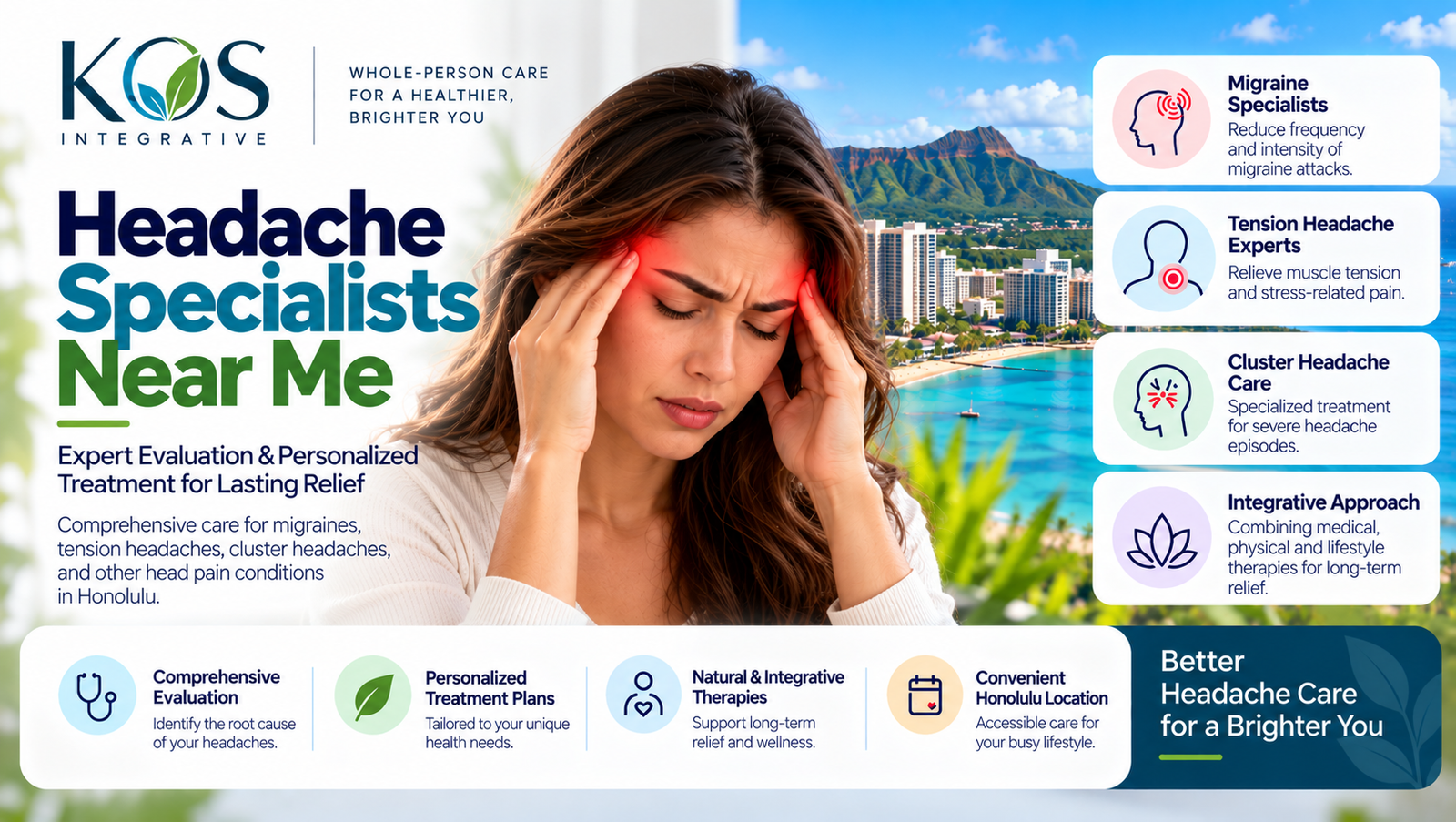
Living with recurring headaches can be exhausting. Persistent head pain may affect concentration, sleep, work performance, and overall quality of life. While occasional headaches are common, frequent or severe episodes may indicate a condition that requires professional medical attention.
Many individuals search for headache specialists near me when over-the-counter remedies no longer provide sufficient relief or when headache symptoms begin interfering with everyday activities.
Finding the right healthcare provider is an important step toward understanding headache patterns, identifying possible causes, and developing an effective management plan.
Why Professional Headache Care Is Important
Headaches are not all caused by the same condition. Some develop as primary headache disorders, while others occur because of an underlying medical problem.
Primary headache disorders include migraines, tension-type headaches, and cluster headaches. Each condition has different symptoms and may require a distinct treatment strategy.
Secondary headaches may develop due to infections, injuries, medication-related problems, or other medical conditions.
Because headache symptoms can overlap, accurate diagnosis is essential.
Professional evaluation can help determine whether symptoms are associated with a common headache disorder or require additional medical investigation.
Common Headache Conditions That Specialists Evaluate
Understanding the different types of headaches can help patients recognize when specialized care may be appropriate.
Migraine Headaches
Migraine is a neurological disorder characterized by recurring attacks that may cause moderate to severe head pain.
Common symptoms include:
- Throbbing or pulsating head pain
- Nausea or vomiting
- Sensitivity to light
- Sensitivity to sound
- Difficulty completing everyday activities
Some people experience temporary visual or sensory disturbances known as aura.
Migraine treatment may involve acute medications, preventive therapies, and individualized strategies for managing symptoms.
Tension-Type Headaches
Tension-type headaches typically cause a pressing or tightening sensation around the head.
Pain is often mild to moderate and may affect both sides of the head.
Although occasional episodes may be manageable, frequent tension-type headaches can affect daily functioning and may require medical evaluation.
Cluster Headaches
Cluster headaches cause extremely severe pain, usually around one eye or on one side of the head.
Symptoms may include eye watering, nasal congestion, eyelid changes, or restlessness.
These headaches require condition-specific medical treatment and may benefit from evaluation by a neurologist or headache medicine specialist.
Cervicogenic Headaches
Cervicogenic headaches originate from conditions affecting structures in the neck.
Symptoms may be associated with neck movement, restricted mobility, or particular physical positions.
A healthcare professional can assess whether musculoskeletal problems contribute to the patient’s headache symptoms.
Signs You May Need a Headache Specialist
Occasional mild headaches do not always require specialist evaluation. However, certain patterns suggest that additional medical attention may be beneficial.
Consider seeking professional care if:
- Headaches occur frequently or become more severe
- Pain interferes with work, sleep, or daily activities
- Migraine attacks are difficult to manage
- Headache medications provide inadequate relief
- Symptoms change noticeably over time
- You regularly need medication to manage head pain
- Headaches are accompanied by recurring nausea or sensitivity to light
A sudden, extremely severe headache, or a headache accompanied by weakness, confusion, difficulty speaking, or fever with neck stiffness, requires emergency medical attention.
These warning signs should not be managed through routine appointments.
How Headache Specialists Near Me Can Help With Diagnosis
When individuals search for headache specialists near me, they are often looking for healthcare professionals who can explain persistent symptoms and recommend appropriate treatment.
A qualified headache specialist, typically a neurologist with expertise in headache medicine, may evaluate headache frequency, duration, location, severity, and associated symptoms.
The consultation may include a review of medical history, medication use, previous treatments, and possible contributing factors.
A neurological examination may be performed when appropriate.
Additional tests, including imaging, are recommended selectively when symptoms or examination findings suggest a possible underlying condition.
An accurate diagnosis helps guide treatment decisions and reduces the risk of relying on inappropriate or ineffective approaches.
Treatment Options for Chronic Headaches and Migraines
Headache treatment depends on the specific diagnosis, symptom frequency, medical history, and individual needs.
Acute Headache Treatment
Acute treatments are used to manage symptoms during a headache episode.
Healthcare professionals may recommend medications appropriate for the diagnosed headache disorder.
Preventive Migraine Treatment
Patients experiencing frequent or disabling migraines may benefit from preventive treatment.
Preventive therapies aim to reduce the frequency, severity, or impact of migraine attacks.
Physical Therapy and Neck-Related Care
For headaches associated with musculoskeletal conditions, appropriately selected physical therapy may help address neck mobility and associated discomfort.
However, physical therapy does not replace condition-specific neurological treatment when migraine or another primary headache disorder is present.
Lifestyle Management
Regular sleep, adequate hydration, consistent meals, and stress-management strategies may complement headache treatment.
The effectiveness of these measures varies among individuals, and persistent headache disorders may require additional medical care.
Exploring Headache Care in Honolulu, Hawaii
People living in Honolulu may have different healthcare needs depending on their headache symptoms and underlying conditions.
KOS Integrative provides headache-related services with an approach that considers relevant physical and lifestyle factors.
For individuals experiencing headaches alongside neck discomfort or musculoskeletal concerns, supportive care may be considered as part of an individualized management plan.
Integrative healthcare approaches may complement conventional medical treatment when clinically appropriate.
However, patients should distinguish supportive headache care from specialist neurological services.
For complex migraines, cluster headaches, or unusual neurological symptoms, evaluation by a qualified medical professional or headache medicine specialist may be necessary.
What to Look for When Choosing a Headache Care Provider
Finding appropriate headache care involves more than selecting the nearest clinic.
Professional Qualifications
Patients should verify the provider’s professional qualifications and experience with headache disorders.
Diagnostic Approach
An appropriate provider should evaluate symptoms carefully and explain whether additional investigation is needed.
Available Treatment Options
Treatment recommendations should be based on the headache diagnosis and the patient’s medical needs.
Personalized Care
A suitable treatment plan should consider symptom frequency, severity, previous treatment responses, and relevant health conditions.
Specialist Referral Options
Providers should recognize when neurological evaluation or another specialist referral is appropriate.
Choosing a healthcare professional with the right expertise can support better-informed treatment decisions.
The Role of Stress, Sleep, and Lifestyle in Headache Management
Daily habits may influence headache patterns in some individuals.
Sleep Quality
Irregular sleep schedules and insufficient sleep can contribute to migraine episodes in susceptible individuals.
Stress Management
Emotional stress may influence tension-type headaches and migraines.
Relaxation techniques and appropriate stress-management strategies can be useful components of a broader care plan.
Hydration
Dehydration may contribute to headaches, making adequate fluid intake important for general health.
Meal Timing
Skipping meals can trigger headaches in some individuals, particularly those susceptible to migraines.
Physical Activity
Regular, appropriate physical activity may support overall health and help some patients manage headache-related concerns.
These strategies should complement professional medical care rather than replace necessary treatment.
Why Keeping a Headache Diary Can Be Helpful
A headache diary provides useful information about symptom patterns and treatment responses.
Patients can record:
- The date and time headaches occur
- Headache duration and severity
- Associated symptoms
- Medication use
- Sleep patterns
- Possible triggers
- Effects on daily activities
This information can help healthcare professionals evaluate headache frequency and determine whether a treatment plan needs adjustment.
A headache diary may also help patients recognize changes in their symptoms that require further medical attention.
Questions to Ask During a Headache Consultation
Preparing questions before an appointment can make the consultation more productive.
Useful questions include:
- What type of headache is most likely causing my symptoms?
- Are additional tests necessary?
- Which treatments are appropriate for my diagnosis?
- Would preventive treatment be beneficial?
- Could medication overuse contribute to my headaches?
- Are there lifestyle changes that may help?
- When should I consider neurological specialist care?
- How will my treatment progress be monitored?
Clear communication allows patients to better understand their condition and participate in treatment decisions.
Long-Term Strategies for Managing Recurring Headaches
For people with chronic or recurring headaches, long-term management may be necessary.
An individualized care plan may involve monitoring symptoms, evaluating treatment effectiveness, and adjusting treatment when appropriate.
Regular follow-up appointments can help healthcare professionals assess whether headache frequency or severity is improving.
Patients may also benefit from reviewing medication use and discussing any new or unusual symptoms.
The goal is to reduce headache-related disability while ensuring that potentially serious conditions receive appropriate attention.
The Importance of Early Evaluation
Seeking medical advice when headache patterns become frequent, severe, or unusual can help patients receive an appropriate diagnosis sooner.
Early evaluation may identify treatment options that reduce headache-related disruption and improve daily functioning.
It can also help distinguish common headache disorders from conditions that require more urgent investigation.
Patients should avoid assuming that every headache is caused by stress, dehydration, or muscle tension.
Professional assessment is particularly important when symptoms are changing or treatment is no longer effective.
Conclusion
Finding appropriate headache specialists near me involves understanding headache symptoms, evaluating healthcare qualifications, and choosing treatment based on an accurate diagnosis.
Recurring migraines, tension-type headaches, and other headache disorders may require different management strategies.
For individuals in Honolulu, Hawaii, exploring qualified healthcare services and suitable supportive care options can help guide informed decisions about headache management.
With professional evaluation, individualized treatment, and consistent follow-up, patients can work toward reducing headache-related disruption and improving their quality of life. Read more blog