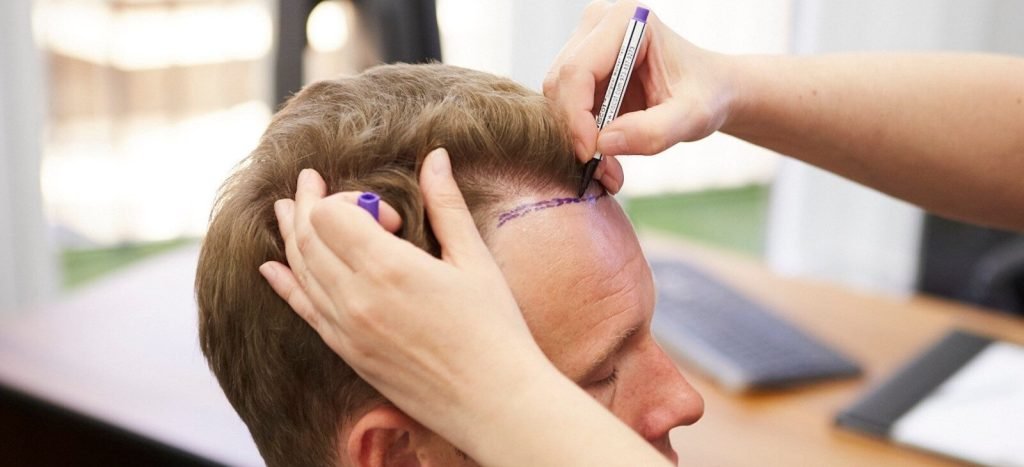
Hair replacement systems offer a non-surgical way to address visible hair thinning, receding hairlines, and extensive hair loss. However, achieving a natural appearance is only part of the process. A well-fitted system should also feel comfortable during everyday activities, including working, exercising, sleeping, and spending time outdoors. Understanding how materials, attachment methods, scalp care, and maintenance affect comfort can help users make more informed decisions.
For people considering Hair Replacement in Dubai, comfort deserves particular attention because the local climate can involve high temperatures, humidity, and prolonged exposure to air-conditioned environments. These conditions may influence perspiration, scalp sensitivity, adhesive performance, and the frequency of cleaning required. Choosing a suitable system involves more than matching hair colour or selecting a preferred hairstyle. Base material, ventilation, fit, and individual skin sensitivity all contribute to the overall experience.
A hair replacement system typically consists of a base attached to the scalp or existing hair, with natural or synthetic hair integrated into it. Depending on the design, it may use lace, polyurethane, monofilament, or a combination of materials. Each option offers different advantages in breathability, durability, appearance, and ease of maintenance.
Comfort is also influenced by personal circumstances. Someone with an active lifestyle may prioritise ventilation and secure attachment, while another person may prefer a system that is easy to remove and clean. Understanding these differences makes it easier to choose an appropriate solution and maintain it without unnecessary irritation.
What Makes a Hair Replacement System Comfortable?
Several factors determine whether a hair replacement system feels natural throughout the day.
Base material and breathability
The base sits against the scalp, so its construction can significantly affect comfort. Lace bases generally allow good airflow, making them worth considering in warm conditions. Monofilament bases can provide a balance between durability and a natural-looking appearance, while polyurethane bases may offer a smooth surface for certain attachment methods.
No single material suits everyone. The right choice depends on scalp sensitivity, lifestyle, styling preferences, and the maintenance routine the wearer can realistically follow.
Correct sizing and fit
A system that is too tight may cause pressure, discomfort, or irritation. One that is too loose may shift during movement and require frequent adjustments. Accurate measurements and appropriate contouring help the base sit securely without unnecessary tension.
Weight and hair density
Excessive hair density or a heavy base can make a system feel less comfortable, particularly during extended wear. Selecting a suitable density and distributing the hair appropriately can improve balance and reduce the feeling of bulk.
Attachment method
Adhesives, tapes, clips, and other attachment options each have practical considerations. Adhesives may provide a relatively seamless appearance, but certain formulations can trigger skin reactions. Clips may be unsuitable for some people if they pull on fragile existing hair. The method should be selected according to the wearer’s scalp condition, hair coverage, and intended wear schedule.
How Can You Keep a Hair Replacement System Comfortable in Dubai’s Climate?
Warm weather requires a practical approach to scalp hygiene and system maintenance. Sweat, oil, and environmental residue can accumulate beneath the base, potentially causing itching, odour, or discomfort if cleaning is inadequate.
Choose breathable construction. A lightweight, ventilated base may be preferable for people who spend considerable time outdoors. Discuss the balance between airflow, durability, and the desired appearance before selecting a design.
Maintain a suitable cleaning routine. Follow the manufacturer’s instructions for washing the system and cleaning the scalp. The appropriate frequency depends on perspiration, adhesive type, activity level, and individual skin characteristics. Avoid aggressive scrubbing or harsh products that may damage the base or irritate the skin.
Allow sufficient drying time. Moisture trapped beneath a system can contribute to discomfort. Follow the recommended removal and drying procedure, particularly after exercise or heavy sweating.
Use compatible adhesives and products. Not every scalp adhesive, cleanser, or styling product works well with every system. Avoid applying unapproved oils or solvents around attachment points because they may weaken the bond or interfere with maintenance.
Schedule regular adjustments. Adhesive breakdown, changes in scalp condition, and natural wear can affect the fit. Professional maintenance can help identify problems before they become persistent sources of discomfort.
Everyday Habits That Help Prevent Irritation
A comfortable system depends on daily habits as well as its original design. Small adjustments to the routine can reduce avoidable problems.
- Avoid scratching beneath the base or repeatedly pulling at the attachment points.
- Use only recommended shampoos, conditioners, and styling products.
- Brush gently, particularly around the hairline and areas where the base is delicate.
- Follow the recommended schedule for adhesive replacement, cleaning, and refitting.
- Avoid excessive heat from hairdryers or styling tools unless the system is designed to tolerate it.
- Pay attention to persistent redness, burning, tenderness, or unusual itching.
If irritation develops, do not simply cover it with additional adhesive or extend the wear period. Remove the system according to its instructions when appropriate and seek professional advice if symptoms persist. Significant swelling, blistering, broken skin, or signs of infection warrant prompt medical assessment.
How Different Hair Replacement Base Materials Affect Comfort
Understanding base construction helps narrow down the options before a consultation.
Lace systems: These are often chosen for their lightweight feel and ventilation. However, delicate lace may require careful handling and can be more vulnerable to tearing.
Polyurethane systems: These can create a smooth attachment surface and may simplify certain cleaning procedures. Depending on their thickness and construction, they can feel warmer than more breathable alternatives.
Monofilament systems: These use a mesh-like base designed to balance durability and a natural-looking hair appearance. Comfort varies with the material, density, and overall construction.
Hybrid systems: Combining materials in different areas can balance breathability, durability, and realistic hairline design. Their suitability depends on the wearer’s priorities and the specific system.
The thinnest base is not automatically the most comfortable, nor is the most durable design necessarily the best option for hot weather. A proper assessment should consider how the complete system performs during normal daily use.
What Should You Expect From Hair Replacement Consultations in Dubai?
A consultation should establish what is causing discomfort or what might cause problems with a proposed system. The discussion may cover hair loss patterns, scalp sensitivity, existing hair density, preferred hairstyles, activity levels, and willingness to perform routine maintenance.
The provider should explain available base materials, attachment techniques, cleaning requirements, expected replacement intervals, and the limitations of each option. If the scalp is already inflamed or affected by a dermatological condition, that issue may need assessment before a system is fitted.
The following providers and healthcare facilities are potential starting points for enquiries about hair-loss services and related consultations. Their specific hair-system fitting, maintenance, and aftercare services should be confirmed directly.
Dynamic Life Clinic
Dynamic Life Clinic may be considered when exploring aesthetic and hair-related services in Dubai. Before arranging an appointment, ask whether the team provides non-surgical hair replacement systems or focuses on other hair restoration treatments.
For anyone prioritising comfort, useful questions include whether scalp measurements are taken, which base materials are available, and how the provider addresses sensitivity or attachment problems.
Enfield Royal Clinic
Enfield Royal Clinic is a potential starting point for discussing hair restoration options and individual appearance goals. Anyone enquiring about Hair Replacement in Dubai should confirm whether non-surgical hair systems, personalised fitting, and ongoing maintenance are available at the relevant location.
A detailed consultation should clarify the proposed system’s base construction, attachment method, cleaning routine, and suitability for the local climate. It is also important to establish who will handle adjustments, how often maintenance is recommended, and what to do if itching or discomfort develops. Clear information about aftercare helps patients evaluate whether a system will fit their lifestyle and maintenance expectations.
Emirates Hospital
Emirates Hospital can be approached for medical advice when hair loss is accompanied by scalp symptoms or when an underlying condition needs investigation. The exact department and available services should be checked before booking.
If the goal is a non-surgical hair replacement system rather than medical treatment for hair loss, confirm whether the relevant service is provided directly or whether an appropriate referral is available.
Cocoona Clinic
Cocoona Clinic is another provider to contact when researching aesthetic and hair-related options. Prospective clients should establish whether non-surgical systems are offered and whether fitting and maintenance are included in the service.
Questions about breathable materials, skin-compatible adhesives, and adjustments for hot weather can help determine whether the available approach meets individual comfort requirements.
Tajmeels Clinic
Tajmeels Clinic may be contacted to clarify its current hair-related services and consultation options. Before proceeding, ask whether it provides hair replacement systems or treatments designed to address hair loss through other methods.
For a system intended for regular wear, it is useful to understand the fitting process, expected maintenance requirements, and procedures for managing scalp irritation.
Al Zahra Hospital Dubai
Al Zahra Hospital Dubai may be relevant for medical assessment when scalp health, unexplained hair loss, or persistent skin irritation needs professional attention. Availability of specific dermatology or hair-related services should be verified with the hospital.
A medical assessment can be particularly useful when discomfort is associated with an existing scalp condition rather than the hair replacement system alone.
Dubai Cosmetic Surgery Clinic
Dubai Cosmetic Surgery Clinic can be contacted to ask about its current hair restoration and aesthetic services. Confirm whether the clinic offers non-surgical hair replacement, as surgical restoration and cosmetic hair systems involve different procedures and maintenance requirements.
If a system is available, ask how its fit, hairline design, and attachment method are personalised to the wearer.
King’s College Hospital London Dubai
King’s College Hospital London Dubai may be an option for discussing medical concerns associated with hair loss or scalp health. Contact the hospital to confirm relevant specialist availability and whether a referral is required.
For people experiencing persistent itching, inflammation, or unexplained scalp changes beneath a hair system, medical guidance may help identify the cause and determine an appropriate course of action.
How to Choose the Right Provider for Hair Replacement in Dubai
Selecting a provider involves more than comparing appearance, price, or convenience. The fitting process, technical knowledge, and aftercare arrangements can all influence long-term comfort.
Experience and qualifications
Ask about the provider’s experience with non-surgical hair systems, scalp assessment, attachment techniques, and adjustments. If a medical condition is suspected, clarify whether a qualified healthcare professional can assess it.
Technology and techniques
Find out which base materials, attachment options, and hair densities are available. A useful consultation explains the advantages and limitations of each choice rather than presenting one system as suitable for everyone.
Safety and hygiene standards
Confirm that reusable systems are cleaned according to appropriate instructions and that tools and products are handled hygienically. Adhesives and removers should be compatible with the system and used as directed.
Consultation process
The provider should discuss scalp sensitivity, lifestyle, budget, preferred appearance, and maintenance expectations. Measurements and a clear explanation of the fitting process are important parts of personalisation.
Patient experience and aftercare
Ask who will handle adjustments, how maintenance appointments are arranged, and what support is available if the system shifts or causes irritation. Understand any additional costs for cleaning, adhesive replacement, repairs, and eventual system replacement.
Realistic expectations
A hair replacement system can improve the appearance of hair coverage, but it does not stop the biological causes of hair loss. Its appearance and comfort can change with wear, and it requires ongoing care. A provider should explain these limitations before treatment or fitting begins.
Frequently Asked Questions
Can a hair replacement system be worn comfortably every day?
Yes, many people can wear a properly fitted system throughout their usual daily activities. Comfort depends on the base material, attachment method, scalp sensitivity, fit, and maintenance routine. The recommended wear schedule varies by system.
Is a lace hair system better for Dubai’s hot weather?
Lace systems often provide good airflow because of their open construction. However, the best option depends on the full design, hair density, durability requirements, and attachment method. A consultation can help determine whether lace or a hybrid base is more appropriate.
Why does my hair replacement system feel itchy?
Itching may result from sweat, adhesive sensitivity, trapped residue, friction, poor fit, or an underlying scalp condition. Persistent symptoms should not be ignored. Have the system and scalp assessed, and seek medical advice if irritation continues or the skin becomes inflamed.
How often should a hair replacement system be cleaned?
There is no universal schedule. Cleaning frequency depends on perspiration, the attachment method, the base material, and the manufacturer’s instructions. People who exercise frequently or sweat heavily may need a different routine from those with less active lifestyles.
Can I exercise while wearing a hair replacement system?
Many systems can accommodate exercise, but their suitability depends on attachment security, sweat management, and the manufacturer’s guidance. Ask about the recommended wear conditions and how to clean and dry the system after strenuous activity.
Conclusion
A comfortable hair replacement system combines suitable materials, accurate fitting, secure attachment, and consistent maintenance. In Dubai’s climate, ventilation and effective sweat management deserve particular attention, but scalp sensitivity and daily habits are equally important. The most suitable design is one that balances natural appearance, durability, and practical upkeep.
Before choosing Hair Replacement, compare available systems, confirm the provider’s fitting and aftercare services, and discuss any existing scalp concerns. With realistic expectations and a maintenance routine suited to individual needs, a hair system can remain a practical and comfortable option for everyday hair coverage.