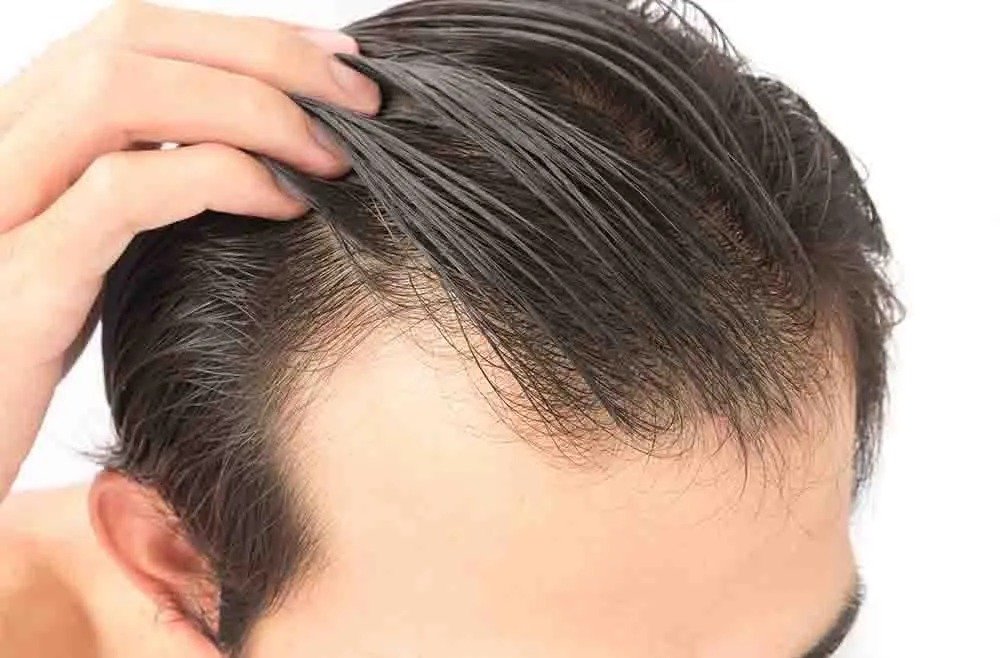
Hair loss rarely happens all at once; more often it creeps in slowly — a parting that looks a little wider, or a crown that shows more scalp in photographs. For many people, the first response is to try shampoos, supplements or styling tricks, and for some those are enough. But when thinning becomes more noticeable, many start to ask whether something more lasting exists. Hair Replacement in Dubai covers a range of modern options, from surgical transplants to non-surgical systems, and this guide explains what each one involves, so a first-time patient can approach the decision with clear information rather than guesswork.
It is worth saying at the outset that there is no single best option for everyone. The right choice depends on the pattern of hair loss, the cause behind it, the donor hair available, the person’s age and health, and what they realistically hope to achieve. A good provider will explain all of that before recommending anything, and will sometimes advise that no procedure is needed yet.
Why People Consider Hair Replacement
People consider hair replacement for many different reasons, and most of them are practical rather than cosmetic in the narrow sense. Hair frames the face, and when it thins, people often feel they look older or more tired than they feel. Some notice it most in photographs or video calls; others notice it when they see their reflection in bright light. For some, the trigger is a change after illness, medication, childbirth or a stressful period. For others, it is a family pattern that has been developing for years.
Whatever the reason, the decision is usually a personal one, and it deserves time. Hair replacement is not an emergency, and there is no reason to rush into it. The people who are happiest with their results are usually the ones who researched properly, asked direct questions, and chose a provider they trusted. Hair loss is extremely common, and feeling self-conscious about it is normal. A consultation should feel like a straightforward medical conversation, not a sales pitch, and a patient should never feel pressured to decide on the spot.
The Main Hair Replacement Options Explained
Hair replacement is an umbrella term, and the options under it work in very different ways. Understanding the difference between them is the first step in choosing.
Hair Transplant Surgery
A hair transplant is a surgical procedure in which hair follicles are moved from a donor area — usually the back or sides of the head, where hair is more resistant to thinning — to the areas where hair is thinning. The most commonly used technique today is follicular unit extraction (FUE), in which individual follicular units are harvested one by one and placed into tiny recipient sites.
A transplant redistributes existing hair; it does not create new hair. That means the result depends heavily on how much donor hair is available, and on the quality of that hair. The transplanted hairs usually shed within the first few weeks, new growth begins after three to four months, and fuller results appear after nine to twelve months. The transplanted follicles generally keep growing in their new position, but hair loss in untreated areas can continue, so a long-term plan for the existing hair is part of the conversation.
A transplant is a medical procedure, and it should only be carried out by a qualified surgeon in a proper clinical setting, after a full assessment. It is not suitable for everyone: people with very limited donor hair, rapidly progressing loss, or certain medical conditions may be advised against it.
Non-Surgical Hair Systems
A non-surgical hair system — sometimes called a hairpiece or hair unit — is a custom-made system of real or synthetic hair attached to a fine base, which is fitted to the scalp and blended with the existing hair. Modern systems can look very natural when fitted well, and they offer an immediate result with no surgery, no recovery time and no waiting for growth.
The trade-off is maintenance. A hair system needs regular cleaning, reattachment and replacement, and the cost continues over time rather than being a one-off. For people who are not suitable for surgery, or who do not want an operation, a well-fitted system can be a practical alternative.
Medical Treatments
Medical treatments do not replace lost hair in the way a transplant does, but they can slow further loss and, in some cases, improve the density of existing hair. The most widely discussed options include topical and oral medicines that are used under medical supervision, and platelet-rich plasma (PRP) therapy, in which a concentration of the patient’s own platelets is injected into the scalp.
These treatments are usually ongoing rather than one-off, and their effects vary from person to person. They are often discussed alongside a transplant, as a way of protecting the hair that was not transplanted, or on their own for people whose loss is still at an early stage. Any medical treatment should be discussed with a qualified professional, including possible side effects, before it is started.
The Consultation and Assessment
Whatever option is being considered, the consultation is the most important step. It should be unhurried, private and thorough, and should take place before any procedure is booked.
The assessment should cover the pattern and history of the hair loss, family history, general health, medicines, and any previous treatments tried. The scalp and donor area should be examined, often under magnification, and the density of the donor hair measured. Blood tests may be arranged to check for treatable causes such as thyroid problems or iron deficiency, since a transplant planned without investigating the cause may not deliver the expected result.
The provider should explain which options suit the individual and which do not, and why. They should discuss what a realistic result looks like over twelve months, how many grafts would be involved if surgery is proposed, what the recovery involves, and what the total cost includes. They should also be willing to discuss the option of doing nothing, or of waiting, and should welcome a second opinion. A consultation that rushes to a price or a date without examining the scalp is a warning sign, as is any provider that guarantees a particular result or pressures a patient to book immediately. A reputable provider gives written information and time to think.
Procedure Day and Recovery Timeline
For a surgical transplant, the procedure day is long but usually straightforward. Local anaesthesia is used, the patient is awake, and the harvesting and placement phases together can take several hours. Most people go home the same day, and a family member or friend should travel with them.
Recovery follows a fairly predictable pattern, although every patient heals at a slightly different pace. In the first days the scalp is tender, and some swelling around the forehead is common. Small scabs form around the grafts and should be left to fall away on their own, usually within one to two weeks. Washing must be done gently, exactly as instructed, and strenuous exercise, swimming and direct sun should be avoided for the period the provider advises.
The transplanted hairs usually shed within the first few weeks. This is expected and does not mean the procedure has failed; the follicles remain in place and new growth typically begins after three to four months. Growth is gradual and uneven at first, with fuller results visible after nine to twelve months. The final result should be judged at around a year, not before.
Aftercare and Realistic Results
Aftercare matters as much as the procedure itself. After a transplant, patients should receive clear written instructions covering washing, sleeping position, medicines, what to avoid, and when to contact the provider. Regular review appointments allow the team to check healing and growth, and patients should ask how many reviews are included and over what period.
Realistic expectations are the best protection against disappointment. No provider can guarantee a particular density, and results vary with donor supply, hair thickness, curl and colour. Some patients are delighted with one session; others choose a second session later to add density, usually after the first result has fully grown through. It is also important to understand that a transplant does not stop hair loss elsewhere, and the provider should discuss whether medical treatment to protect the existing hair is worth considering.
How to Choose a Provider
Experience and Qualifications
The surgeon or practitioner should hold appropriate medical qualifications and have specific experience with the procedure proposed. Patients should ask how many procedures they have performed and how results are assessed. A careful, honest assessment matters more than any promise of a particular result.
Technology and Techniques
Patients should ask which technique is proposed and why it suits them, including the advantages and the limits of each option. A reputable provider explains the options in plain terms and does not present any single method as right for everyone. The plan should always be based on the patient’s own donor supply, hair characteristics and pattern of loss.
Safety and Hygiene Standards
Any procedure should be delivered in a proper clinical setting with clear protocols. Patients should disclose medical conditions, medication use and allergies beforehand, and should be told about potential side effects and the signs that mean they should contact the provider promptly.
Consultation and Assessment
A proper consultation should assess overall health, donor density, the pattern of hair loss and any treatable causes before any procedure is booked. This assessment matters most when expectations are high, because a realistic plan protects both safety and satisfaction.
Patient Experience and Follow-Up
After treatment, patients should receive clear written instructions and regular review appointments. Patients should ask whether follow-up is included, how concerns between visits are handled, and who to contact out of hours. A provider that plans for a year of follow-up, rather than a single appointment, is taking the slow nature of hair growth seriously.
Expected Results and Limitations
Growth is gradual, and results vary. Patients should ask for a clear explanation of what is realistic for them, how many grafts are planned if surgery is proposed, and what long-term care the existing hair may need. A provider who discusses limitations openly is usually a safer choice than one who promises a perfect result.
Frequently Asked Questions
What is the difference between a hair transplant and a hair system?
A hair transplant is a surgical procedure that moves the patient’s own hair follicles to thinning areas, and the result develops over nine to twelve months. A hair system is a non-surgical, custom-made unit fitted to the scalp, which gives an immediate result but needs regular maintenance and replacement.
Am I suitable for a hair transplant?
Suitability depends on donor density, hair type, the pattern of hair loss, general health and expectations. People with limited donor supply, rapidly progressing loss or certain medical conditions may not be suitable. A proper assessment is the only way to know.
How long does it take to see results?
After a transplant, the transplanted hairs usually shed within the first few weeks, new growth typically begins after three to four months, and fuller results are generally visible after nine to twelve months. The final result should be judged at around a year. Non-surgical systems give an immediate visible change, while medical treatments take months to show any effect.
How much does hair replacement cost in Dubai?
Costs vary widely with the option chosen, the number of grafts, the technique and the provider, and non-surgical options involve ongoing maintenance costs rather than a single payment. Patients should ask for a written breakdown of what is included and be cautious of any provider quoting a firm figure before a proper assessment.
Will I need more than one session?
It depends on the extent of hair loss, the donor supply and the density achieved. Some patients are satisfied after one transplant session, while others choose a second session later to add density. This should be discussed openly at the consultation and at review appointments.
Conclusion
Hair replacement covers a wide range of options, from surgery to non-surgical systems, medical treatments and scalp micropigmentation, and the right choice depends on the individual — their pattern of loss, donor supply, health and expectations. The common thread is the same for every option: a thorough assessment, honest advice about what is realistic, and a provider who follows up properly over the months it takes for results to appear.
First-time patients should take their time, compare providers on the points above, and choose one that gives clear information and room to decide without pressure. With the right provider and a realistic plan, hair replacement can be a structured and supported way to work towards fuller-looking hair. When exploring Hair Replacement, patients should prioritise a careful assessment, honest discussion of the options and their limits, and thorough follow-up over the months results take to appear.