
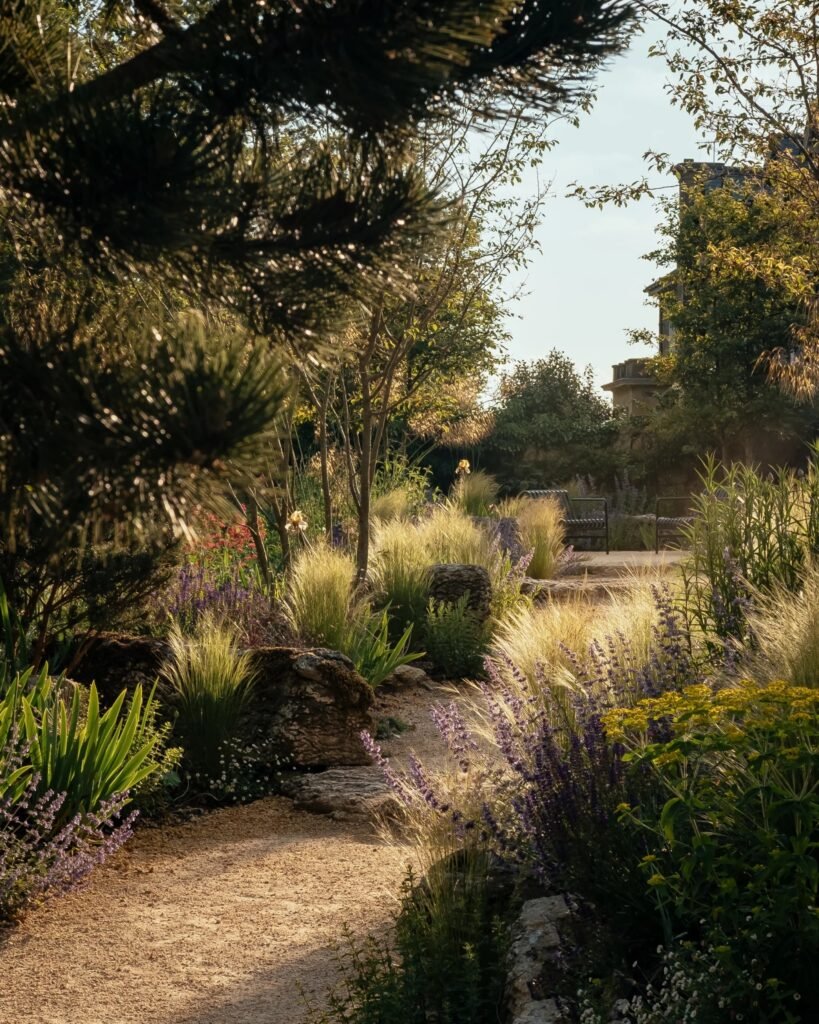
A thoughtfully designed garden can transform a property, creating an inviting space for relaxation, entertaining, and spending time outdoors. In Guildford, Surrey, gardens range from compact town-centre spaces to generous suburban plots and country gardens surrounded by greenery. Each presents different opportunities to combine attractive planting with practical landscaping.
Successful garden design is about more than choosing plants and paving. It involves understanding the property’s character, making the best use of available space, and creating a layout that suits the homeowner’s lifestyle. With careful planning, an outdoor area can become a natural extension of the home while retaining its own distinctive character.
Designing a Garden Around Your Lifestyle
The first step in any garden project is deciding how the space should function. Some homeowners want an outdoor dining area for family gatherings, while others prefer a quiet retreat with comfortable seating, colourful borders, and plenty of greenery.
A well-planned layout can accommodate several activities without making the garden feel crowded. A patio near the house provides convenient access for dining, while a pathway leading through planted borders can create a sense of movement and discovery. Screening plants or hedges can also introduce privacy without making the space feel enclosed.
Think about how you use your garden throughout the year, too. Sheltered seating, suitable outdoor lighting, and planting that remains attractive in colder months can help extend its usefulness beyond summer.
Making the Most of Guildford’s Landscape
Guildford’s setting near the Surrey Hills provides plenty of inspiration for garden design. However, local gardens can differ considerably in their size, aspect, soil conditions, and ground levels. Some properties have relatively flat lawns, while others have slopes that require more detailed planning.
Understanding these characteristics early can help determine the most suitable design approach. A sloping garden, for example, might benefit from terraces, steps, or retaining walls that create distinct areas for different activities. In a smaller garden, a simple layout and carefully positioned focal points can help the space feel more open.
The property’s architecture should also influence the design. Traditional homes may suit natural stone, softer planting schemes, and established-looking borders, while contemporary properties can work well with crisp lines, restrained materials, and architectural plants.
The aim is to create a garden that feels connected to its surroundings without sacrificing individuality.
Choosing the Right Plants for Your Garden
Planting brings colour, texture, and seasonal interest to an outdoor space. A carefully planned combination of trees, shrubs, grasses, and flowering perennials can create a garden that changes beautifully throughout the year.
Evergreen shrubs provide structure during winter, while spring bulbs and flowering plants introduce early colour. Summer perennials can bring vibrant displays, and ornamental grasses add movement and texture as the seasons change.
Before selecting plants, assess the garden’s sunlight, soil, drainage, and exposure to wind. Conditions can vary significantly between different borders, especially where buildings, fences, and mature trees create areas of shade.
It is also important to consider how large plants will become as they mature. Giving them sufficient room helps prevent overcrowding and reduces the need for repeated pruning or replacement.
A cohesive planting scheme often uses a limited selection of complementary colours and textures, repeated throughout the garden to create visual continuity.
Creating Practical Landscaping Features
Hard landscaping provides the structure that allows the garden to function effectively. Patios, pathways, steps, raised beds, and seating areas can improve accessibility while giving the overall design a clear identity.
In compact gardens, built-in seating and multi-purpose features can make efficient use of limited space. Larger plots may benefit from separate areas for dining, relaxing, gardening, and recreation, connected by paths or changes in planting.
Material selection is equally important. Natural stone, porcelain paving, gravel, timber, and brick each create a different visual effect and have different maintenance requirements. Choosing materials that complement the property helps the garden feel cohesive.
Drainage should be considered alongside paving and changes in ground levels. Suitable permeable surfaces and well-planned water management can help reduce problems caused by heavy rainfall, depending on the site’s conditions.
Sustainable Ideas for Modern Outdoor Spaces
Sustainable garden design can help conserve resources, support wildlife, and create an outdoor environment that is easier to manage over time.
Several practical features are worth considering:
- Wildlife-friendly planting: Include suitable flowering plants that provide nectar and pollen for pollinators.
- Water conservation: Collect rainwater and choose plants that suit the garden’s natural conditions.
- Healthy soil: Use suitable compost and organic matter to improve soil structure where needed.
- Permeable paving: Consider surfaces that allow rainwater to drain through where site conditions permit.
- Long-lasting materials: Select durable products that suit the intended use and reduce the need for frequent replacement.
- Seasonal planting: Combine plants with different flowering periods to maintain interest and provide resources for wildlife across the year.
These features can be integrated into both traditional and contemporary gardens. Sustainability works best when it is considered from the beginning rather than added as an afterthought.
Why Professional Garden Design Makes a Difference
Planning a complete garden transformation involves coordinating many elements, including layout, planting, materials, lighting, and construction details. A professional designer can help bring these components together into a clear and practical plan.
Matthew Childs Design provides bespoke garden and landscape design services, developing outdoor spaces that balance aesthetics with the way people want to live. Its design-led approach considers the site’s characteristics, the client’s preferences, and the practical details needed to bring a concept to life.
Depending on the project’s scope, the process may include site analysis, concept plans, planting schemes, detailed construction drawings, material specifications, and support during implementation. This structured approach can help homeowners understand their options before committing to landscaping work.
Before beginning a project, it is useful to establish a realistic budget and identify the most important features. Discussing maintenance expectations, preferred styles, and how the garden will be used can help ensure the final design meets everyday needs as well as visual ambitions.
Bringing Your Garden Vision to Life
A successful garden should be attractive, functional, and suited to the property. Thoughtful planting, practical pathways, well-chosen materials, and comfortable outdoor areas can transform how a space looks and feels.
Whether you are improving an existing garden or planning a complete redesign, taking time to understand the site’s potential can make the process more rewarding. For homeowners exploring garden design Guildford, a tailored approach can create an outdoor space that complements the home, responds to local conditions, and remains enjoyable through every season.
Frequently Asked Questions
1. What does a garden design service include?
Depending on the project, a service may include site assessment, layout planning, planting recommendations, material selection, construction drawings, and implementation support. The exact services should be agreed with the designer at the outset.
2. Can a professional designer help with a sloping garden?
Yes. A designer can explore options such as terraces, steps, retaining walls, and carefully positioned planting to make sloping ground more usable. Structural requirements and drainage should be assessed before construction.
3. How can I make my garden easier to maintain?
Choose plants suited to the site, allow enough room for mature growth, use mulch where appropriate, and select durable landscaping materials. The right design can reduce unnecessary upkeep while preserving visual interest.
4. Is garden design suitable for small outdoor spaces?
Absolutely. A clear layout, carefully selected materials, vertical planting, and multi-purpose features can help smaller gardens feel more spacious and work harder for everyday use.
5. When should I start planning a garden redesign?
Begin well before your preferred construction period. This allows time to develop the design, confirm costs, arrange contractors, source materials, and plan planting according to seasonal conditions.