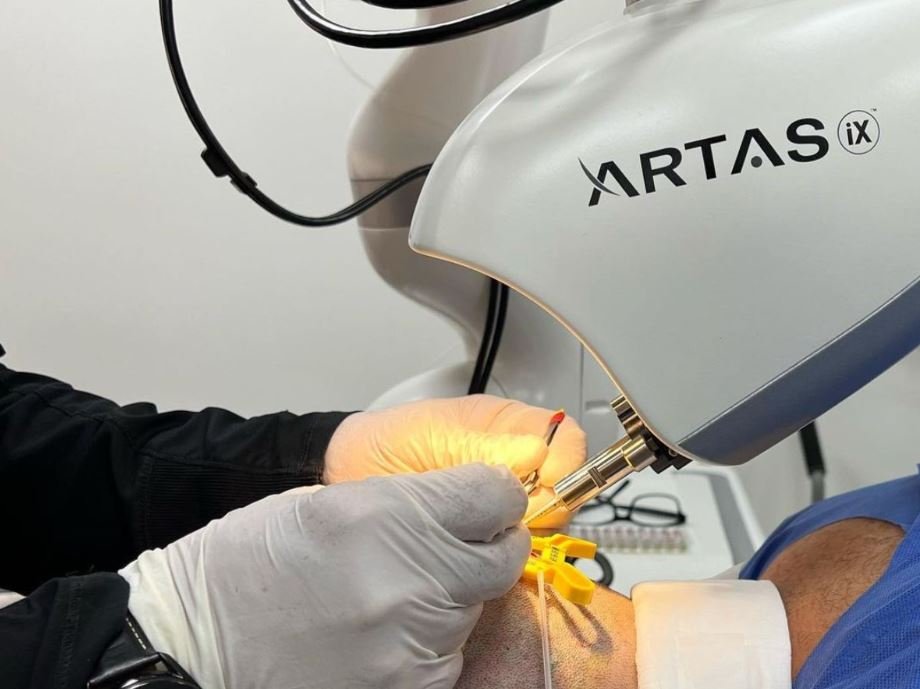
Hair restoration for women requires more than simply filling areas where thinning is visible. The goal is usually to create a balanced appearance that works with the patient’s existing hair, facial proportions, scalp characteristics, and future growth pattern. For this reason, density planning is an important part of the consultation before any procedure is considered. A carefully designed treatment plan can help determine where grafts may be useful, how much coverage is realistic, and how the result can blend with surrounding strands.
When considering Female Hair Transplant in Dubai, patients may undergo an assessment of the donor area, existing density, hair calibre, scalp condition, and the pattern of thinning. The cause of hair loss also matters because transplantation may not be appropriate while an underlying condition remains uncontrolled.
Natural-looking restoration is not necessarily about placing the maximum possible number of grafts. Instead, specialists generally consider strategic placement, graft characteristics, spacing, and the direction in which individual follicles should emerge. The hairline may require finer grafts and carefully controlled spacing, while areas farther behind it may need a different density strategy.
What Does Natural Density Mean in Female Hair Restoration?
Natural density refers to how closely transplanted follicles are positioned while maintaining a realistic relationship with the patient’s existing hair. A woman with naturally fine strands may require a different approach from someone with thicker hair.
A specialist may evaluate the contrast between the hair and scalp, the diameter of individual strands, the number of existing follicles in different regions, and the degree of miniaturisation. These factors help establish whether additional density would produce a visible improvement.
The objective is generally to create coverage that looks consistent rather than concentrating grafts in one area simply to achieve a higher numerical density.
How Is Density Planned Before Treatment?
Existing Hair Density
The first consideration is often the amount of hair already present. Areas with partial thinning may require strategic reinforcement rather than complete reconstruction.
A specialist can assess which regions have viable follicles and which areas have experienced more advanced loss. This helps determine where grafts may have the greatest visual impact.
Donor Hair Availability
The donor area places an important limit on what can safely be achieved. Follicles are typically taken from areas considered resistant to the patient’s pattern of hair loss, but the available supply varies between individuals.
A detailed donor assessment can include density, follicular unit characteristics, hair calibre, and scalp condition. Overharvesting can compromise the appearance of the donor region, so responsible planning considers both the recipient and donor areas.
Hair Calibre and Texture
Two patients with an identical number of follicles may not achieve the same visual coverage. Thicker strands can provide greater apparent fullness, while finer hair may require a different distribution strategy.
Curvature, texture, and the relationship between individual strands can also influence how transplanted follicles blend with surrounding hair.
Hairline Characteristics
The frontal region is particularly important because irregular or overly dense placement can make a transplant appear artificial. Fine grafts may be used toward the front, with density gradually adjusted behind the leading edge.
Rather than creating a perfectly straight line, the design may incorporate subtle irregularities that resemble natural growth.
Future Hair-Loss Pattern
Density planning should also account for the possibility of continued thinning. If surrounding native hair is likely to become weaker, simply maximising density in the current thinning area may not provide a sustainable strategy.
A specialist may therefore consider conservative graft allocation and the potential need for future management.
Enfield Royal Clinic
Enfield Royal Clinic approaches female restoration with attention to the individual pattern of thinning rather than treating every patient according to a standard density formula. During assessment, factors such as donor availability, existing coverage, hair characteristics, and the intended area of improvement can be considered before treatment planning.
For patients exploring Female Hair Transplant in Dubai, personalised planning is particularly relevant because female hair loss can have several underlying causes. Establishing whether transplantation is appropriate and determining where grafts can create meaningful visual improvement are important parts of the consultation.
The clinic can also discuss suitable techniques, expected development after treatment, recovery considerations, and realistic limitations. This type of consultation allows patients to understand why graft placement and density may differ from one person to another.
Tajmeels Clinic
Tajmeels Clinic provides aesthetic and surgical services, with treatment planning based on the individual’s presentation and desired outcome. For female patients experiencing thinning, consultation can help establish the extent of loss and whether restoration could complement the existing hair.
Density considerations may include the condition of the donor area and the amount of coverage required. Patients considering Female Hair Transplant in Dubai can discuss factors such as technique selection, expected recovery, and the relationship between transplanted and existing follicles.
Dynamic Life Clinic
Dynamic Life Clinic offers cosmetic and medical treatments in Dubai and may be considered by patients researching hair restoration options. A consultation can provide an opportunity to examine the distribution of thinning and determine whether transplantation is appropriate.
For female patients, planning may focus on improving visible coverage while preserving a natural transition between treated and untreated areas. The amount of donor hair available remains an important consideration when establishing realistic expectations.
Cocoona Clinic
Cocoona Clinic is another Dubai-based provider associated with cosmetic and surgical care. Patients interested in female hair restoration can use the consultation stage to discuss the causes of thinning, potential treatment approaches, and the expected progression following transplantation.
Density planning should take the patient’s existing hair into account rather than treating the recipient area in isolation. This can help specialists determine how grafts might be distributed to achieve a cohesive appearance.
Dubai Cosmetic Surgery Clinic
Dubai Cosmetic Surgery Clinic provides a range of aesthetic procedures and can be part of a patient’s research when comparing hair restoration providers. For women considering transplantation, an assessment can help clarify whether the thinning pattern is suitable for surgical restoration.
The planning process may involve examining donor reserves, recipient areas, hair characteristics, and the patient’s expectations. These details are important when deciding how much coverage can realistically be created without placing unnecessary demands on the donor region.
Emirates Hospital
Emirates Hospital provides multidisciplinary healthcare services, giving patients access to clinical assessment alongside specialist treatment options. Women experiencing significant thinning may benefit from understanding the possible causes before deciding whether transplantation is suitable.
A thorough evaluation can distinguish between different forms of hair loss and help determine whether medical management, transplantation, or a combination of approaches should be considered. Density planning should ultimately reflect the patient’s individual anatomy and long-term circumstances.
Al Zahra Hospital Dubai
Al Zahra Hospital Dubai offers a broad range of medical and specialist services. Patients investigating surgical options for female hair loss can use a professional consultation to discuss their pattern of thinning and the factors that could influence treatment suitability.
When transplantation is considered, donor supply, existing hair, scalp condition, and expected long-term changes are all relevant. A realistic treatment plan should explain what can be achieved rather than focusing solely on the number of grafts.
King’s College Hospital London Dubai
King’s College Hospital London Dubai provides specialist healthcare services within Dubai. For patients experiencing hair thinning, appropriate assessment is important because hair loss can have multiple causes and may require investigation before a surgical procedure is recommended.
When restoration is considered appropriate, the planning process can take account of donor characteristics, recipient requirements, and the patient’s overall treatment objectives. This helps establish a more individualised approach to density and coverage.
How to Choose the Right Clinic for Female Hair Transplant in Dubai
Choosing a provider involves more than comparing advertised procedures. Several clinical factors deserve attention during the decision-making process.
Experience and Qualifications
Patients should check the qualifications and relevant experience of the medical professional performing or supervising the procedure. Understanding who designs the treatment plan and who actually performs the surgical stages is also important.
Technology and Techniques
Different transplantation techniques have different indications and practical considerations. Patients should ask which technique is recommended for their particular pattern and why it is considered appropriate.
Technology can support precision, but equipment alone does not determine the quality or suitability of a treatment plan.
Safety Standards
A reputable medical facility should follow appropriate infection-control procedures, sterile protocols, patient monitoring, and emergency preparedness. Patients should feel comfortable asking about the clinical environment and safety measures.
Consultation Process
A meaningful consultation should involve more than taking photographs and estimating graft numbers. The clinician should examine the donor and recipient areas, discuss potential causes of hair loss, and explain realistic expectations.
Patient Experience
Communication before and after treatment matters. Patients should understand preparation requirements, recovery instructions, follow-up arrangements, and whom to contact if concerns arise.
Expected Results
Hair transplantation does not produce immediate final density. Transplanted follicles require time to establish growth, and the eventual appearance depends on factors such as graft survival, native hair, biological characteristics, and ongoing hair loss.
A responsible provider should explain these variables rather than promise a particular outcome.
Frequently Asked Questions
Is female hair transplantation suitable for every woman?
No. Suitability depends on the cause and pattern of hair loss, donor hair availability, scalp condition, overall health, and whether the thinning is stable enough for transplantation to be considered.
How is the required density determined?
Density is planned according to factors such as existing hair, donor availability, strand thickness, recipient-area size, and the desired visual improvement. The objective is usually balanced coverage rather than simply maximising graft numbers.
Can transplanted hair look natural in women?
Natural appearance depends on appropriate hairline design, graft selection, placement, direction, spacing, and how transplanted follicles blend with existing hair. Individual anatomy and hair characteristics also influence the final appearance.
Does higher graft density always mean a better result?
Not necessarily. The available donor supply limits how many follicles can safely be moved. Excessive harvesting or overly concentrated placement may create problems, so density needs to be planned around the patient’s long-term needs.
How long does it take to see the final result?
Hair growth develops gradually. Early shedding can occur after transplantation, followed by new growth over subsequent months. The final appearance generally takes considerably longer than the initial recovery period, so patients should follow the clinic’s aftercare guidance and attend recommended follow-ups.
Conclusion
Natural density planning is one of the most important elements of female hair restoration. Rather than using a universal graft target, specialists need to consider donor reserves, existing coverage, hair calibre, scalp characteristics, hairline design, and the possibility of future thinning. These factors help create a treatment strategy that aims for balanced and believable coverage.
For anyone researching Female Hair Transplant, the consultation should therefore focus on more than the procedure itself. Understanding why a particular density is recommended, how grafts will be distributed, what technique is suitable, and what limitations may apply can help patients make an informed decision based on their individual hair-restoration needs.