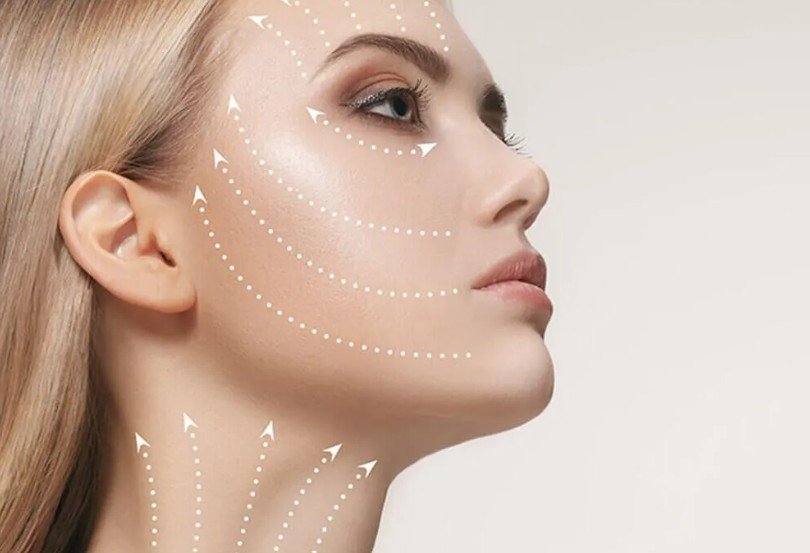
Facial appearance naturally changes over time as skin elasticity decreases, facial tissues shift, and collagen production gradually declines. These changes may contribute to sagging cheeks, deeper folds around the mouth, loose skin along the jawline, and a less defined neck contour. For individuals who want to address these concerns, modern aesthetic medicine offers several approaches to facial rejuvenation.
A facelift is a cosmetic surgical procedure designed to improve visible signs of facial aging by repositioning underlying tissues and removing or adjusting excess skin when appropriate. Depending on the technique, it can help create a more defined jawline, improve the appearance of sagging cheeks, and restore a firmer facial contour while maintaining the individual’s natural features.
People considering Facelift in Dubai may be interested in understanding the available surgical techniques, the importance of personalized treatment planning, and the factors that contribute to natural-looking results. At EV Clinic Dubai, individuals can discuss their facial rejuvenation goals and explore suitable aesthetic options based on their needs and expectations.
The key to a successful facial rejuvenation plan is not necessarily achieving the most dramatic transformation. Instead, the focus is on selecting an appropriate approach that complements the person’s facial structure and supports balanced, natural-looking results.
What Is a Facelift?
Understanding the Facelift Procedure
A facelift, medically known as rhytidectomy, is a surgical procedure intended to address visible signs of aging in the face and sometimes the neck. It may involve lifting and repositioning underlying tissues, refining facial contours, and removing excess skin to create a smoother appearance.
As the face ages, changes occur in the skin, fat compartments, connective tissues, and supporting structures. A facelift addresses selected aspects of these changes rather than simply tightening the skin’s surface.
The exact procedure depends on the individual’s anatomy, the degree of skin laxity, and the areas they want to improve. Some techniques focus primarily on the lower face, while others may address the cheeks, jawline, and neck.
What Can a Facelift Improve?
A facelift may help improve several visible features associated with facial aging, including:
- Sagging skin along the lower cheeks.
- Deeper folds between the nose and corners of the mouth.
- Jowls that soften the definition of the jawline.
- Loose skin along the lower face.
- Selected signs of aging around the neck when the procedure includes the relevant area.
A facelift does not address every facial concern. Fine lines around the eyes, forehead wrinkles, changes in skin pigmentation, and volume loss may require separate treatments or a different rejuvenation approach.
The Importance of Natural-Looking Results
Natural-looking facial rejuvenation aims to improve facial contours without creating an excessively tight or noticeably altered appearance.
A suitable surgical plan takes the individual’s facial proportions, skin characteristics, and existing features into account. The objective is to create a refreshed appearance while preserving the person’s recognizable identity.
Realistic expectations and careful surgical planning are essential parts of achieving a balanced outcome.
Why Consider Facelift In Dubai?
Modern Approaches to Facial Rejuvenation
Modern facelift techniques focus on more than simply pulling the skin tighter. Depending on the selected method, the surgeon may address deeper supporting tissues to improve the relationship between the cheeks, jawline, and surrounding facial structures.
This approach can help produce a more balanced contour and may reduce the appearance of excessive skin tension when compared with techniques that focus only on skin tightening.
The appropriate technique depends on the individual’s anatomy, treatment goals, and the surgeon’s clinical judgment.
Personalized Treatment Planning
Every face ages differently. Some people primarily notice jowls and changes along the jawline, while others are concerned about sagging in the midface or loose skin around the neck.
A personalized consultation helps identify the areas that may benefit from treatment. It also allows the surgeon to explain which concerns a facelift can address and which may require complementary procedures.
For individuals exploring Facelift In Dubai, understanding these distinctions can help them make informed decisions about facial rejuvenation.
A Focus on Facial Harmony
A refreshed appearance should complement the individual’s natural features rather than change them unnecessarily.
Facial harmony involves considering the cheeks, chin, jawline, and neck as parts of an interconnected structure. Treatment planning should account for these relationships so that the outcome appears balanced from different angles.
At EV Clinic Dubai, individuals can discuss their aesthetic preferences and learn about available facial rejuvenation options suited to their concerns.
Different Types of Facelift Procedures
Traditional Facelift
A traditional facelift is generally designed to address more noticeable signs of aging in the midface and lower face. Depending on the technique, it may involve repositioning underlying tissues, adjusting excess skin, and improving the contours around the cheeks and jawline.
The procedure may be appropriate for individuals with more pronounced facial sagging who want a broader improvement in facial definition.
The surgical plan is tailored to the person’s anatomy, skin condition, and desired outcome.
Mini Facelift
A mini facelift is a more limited surgical approach that may be considered for individuals with mild to moderate sagging, particularly around the lower face and jawline.
It generally involves a smaller treatment area than a traditional facelift, although the precise technique varies among surgeons.
A mini facelift is not simply a smaller version of every traditional facelift procedure. Its suitability depends on the location and degree of skin laxity and the extent of improvement the individual hopes to achieve.
Deep Plane Facelift
A deep plane facelift is a surgical technique that works beneath the superficial musculoaponeurotic system, commonly known as the SMAS, to reposition selected facial tissues.
Depending on the surgical plan, it may address sagging in the midface, deeper facial folds, and changes along the lower face.
This technique requires specialized surgical expertise and is not necessary for every patient. A qualified surgeon can explain whether it is appropriate for the individual’s facial anatomy and rejuvenation goals.
Lower Facelift
A lower facelift focuses primarily on the lower portion of the face, particularly the jawline, jowls, and areas around the mouth.
It may be considered by people whose main concern is a loss of definition in the lower face rather than more extensive changes involving the forehead or upper face.
The extent of treatment depends on the distribution of skin laxity and the condition of the underlying tissues.
Neck Lift Combined With a Facelift
Facial aging can occur alongside changes in the neck, including loose skin and reduced definition beneath the chin.
For selected individuals, a facelift may be combined with a neck lift to create a more continuous contour between the jawline and neck. The exact combination depends on the patient’s anatomy and treatment priorities.
A consultation can help determine whether treating the face alone or addressing both areas would better match the desired outcome.
Who May Be a Suitable Candidate for a Facelift?
Individuals Experiencing Facial Sagging
People who notice sagging cheeks, jowls, or loose skin along the jawline may wish to explore facelift surgery. These changes can occur at different ages depending on genetics, skin characteristics, and lifestyle factors.
A consultation helps determine whether the degree and location of facial sagging are suitable for surgical correction.
People Seeking Longer-Lasting Facial Rejuvenation
A facelift can provide longer-lasting improvement in facial contours than many nonsurgical treatments. However, it does not stop the natural aging process, and facial tissues will continue to change over time.
Individuals should consider their long-term expectations and understand that the outcome varies from person to person.
Individuals With Realistic Expectations
Suitable candidates generally understand what a facelift can accomplish and which concerns may need separate treatment.
For example, a facelift may improve sagging skin and jowls, but it does not independently correct every fine line, pigmentation concern, or loss of skin texture.
A professional consultation helps establish achievable goals and determine the most appropriate treatment approach.
What to Expect During a Facelift Consultation
Discussing Your Facial Concerns
The consultation begins with a discussion of the changes you have noticed and the improvements you hope to achieve.
You may wish to address concerns such as a less defined jawline, sagging cheeks, deep facial folds, or loose skin around the neck. Explaining your priorities helps the practitioner understand which areas matter most to you.
Assessing Facial Structure and Skin Condition
The surgeon evaluates facial proportions, skin elasticity, tissue position, and the distribution of excess skin.
This assessment helps determine whether a traditional facelift, mini facelift, deep plane technique, or another approach may be appropriate.
The surgeon may also discuss whether additional procedures could help address concerns that a facelift alone cannot correct.
Developing an Individualized Treatment Plan
Once your goals and facial characteristics have been reviewed, the practitioner can explain the recommended approach, anticipated improvements, and general recovery timeline.
At EV Clinic Dubai, individuals can discuss their facial rejuvenation goals and ask about available aesthetic options and the appropriate next steps for their needs.
Before scheduling surgery, confirm the operating surgeon’s qualifications, the facility where the procedure will take place, and the details of the proposed surgical plan.
How Is a Facelift Procedure Performed?
Preparing for Surgery
Before surgery, the surgeon reviews the patient’s medical history, current medications, previous procedures, and general health. Preoperative instructions may include guidance on medications, smoking, and arrangements for recovery.
Patients should follow the instructions provided by their surgical team and arrange appropriate assistance for the initial recovery period.
Anesthesia and Incision Placement
Facelift surgery is performed using an appropriate form of anesthesia, selected according to the procedure and the patient’s circumstances.
Incisions are commonly positioned around the hairline and natural contours of the ears. Their placement and length depend on the surgical technique and the areas being treated.
The goal is to position incision lines where they can be concealed as discreetly as possible once healing has progressed.
Repositioning Facial Tissues
Depending on the technique, the surgeon adjusts the underlying facial support tissues and repositions the skin over the improved contours.
Excess skin may be removed, and the tissues are secured according to the surgical plan. Some patients may also benefit from carefully selected procedures to address volume loss or improve the appearance of the neck.
Closing the Incisions
After the planned adjustments are completed, the incisions are closed with sutures or other appropriate materials.
The surgical team provides instructions regarding dressings, wound care, follow-up appointments, and activities during recovery.
The specific steps and duration of surgery vary according to the procedure being performed.
Recovery After Facelift Surgery
The Initial Recovery Period
Swelling, bruising, tightness, and temporary changes in skin sensation can occur during the early recovery period. The surgical team provides instructions on caring for the treated area and managing the initial healing process.
Patients should rest as directed and avoid activities that place unnecessary strain on the healing tissues.
Returning to Daily Activities
Recovery varies depending on the extent of surgery and the individual’s healing response. Many patients are ready for social activities within approximately 10 to 14 days, although visible swelling and bruising may still be present.
The face may take several weeks or a few months to feel fully settled, and the final appearance develops gradually as healing progresses.
Patients should follow their surgeon’s advice about returning to work, exercise, and other daily activities rather than relying on a fixed timetable.
Follow-Up Appointments
Follow-up visits allow the surgical team to monitor healing, assess the incision sites, and answer questions about recovery.
Patients should attend scheduled appointments and contact their surgical team if they have concerns about the healing process.
Maintaining Your Results
After recovery, a consistent skincare routine and sun protection can help maintain the appearance of the skin. A balanced lifestyle and stable weight may also support facial appearance over time.
Although a facelift can provide lasting improvement, it cannot prevent future changes associated with aging.
Facelift Cost In Dubai
Factors That Influence Facelift Pricing
The Facelift Cost in Dubai varies according to the surgical technique, the extent of treatment, the surgeon’s expertise, and the services included in the overall package.
Common factors that may influence pricing include:
- Type of facelift: A mini facelift and a traditional facelift involve different surgical approaches and treatment requirements.
- Complexity of the procedure: The amount of tissue repositioning and the areas being treated can affect the overall cost.
- Surgeon’s qualifications and experience: Professional training and experience are important considerations when selecting a surgeon.
- Anesthesia and facility fees: The type of anesthesia and the surgical facility may contribute to the total price.
- Additional procedures: A neck lift, eyelid surgery, or another complementary procedure may increase the overall cost.
- Aftercare and follow-up: Postoperative visits, dressings, and other included services can affect the final quotation.
How to Get an Accurate Facelift Quote
The most reliable way to understand the Facelift Cost In Dubai is to obtain an individualized estimate after a professional consultation.
At EV Clinic Dubai, prospective patients can ask about available facial rejuvenation options and clarify which services are included in the proposed treatment plan.
Before making a decision, ask whether the quotation covers the surgeon’s fee, anesthesia, facility charges, postoperative appointments, and any recommended additional procedures.
Comparing these details helps provide a more complete understanding of the overall expense.
Does a Higher Facelift Cost Mean Better Results?
Price alone does not determine the quality of a surgical outcome. The surgeon’s qualifications, experience with the proposed technique, treatment planning, and postoperative care are all important considerations.
Patients should prioritize appropriate medical expertise, clear communication, and a personalized treatment plan rather than choosing a procedure based only on the lowest advertised price.
Facelift Surgery Compared With Nonsurgical Treatments
Facelift Surgery and Dermal Fillers
Dermal fillers are injectable treatments used to restore selected areas of facial volume and improve certain contours. They may be suitable for individuals whose primary concern is volume loss rather than significant skin sagging.
A surgical facelift addresses the repositioning of facial tissues and excess skin, which fillers cannot reproduce in the same way.
The appropriate choice depends on whether the main concern involves volume, skin laxity, or a combination of changes.
Facelift Surgery and Botox
Botulinum toxin injections are commonly used to soften selected expression lines caused by muscle movement, particularly around the forehead and eyes.
A facelift focuses on sagging tissues and facial contours rather than primarily treating expression lines. Depending on individual needs, the two approaches may address different aspects of facial aging.
Facelift Surgery and Skin Tightening Treatments
Certain nonsurgical technologies use energy-based methods to improve the appearance of skin firmness. These approaches may be considered for individuals with relatively mild concerns who prefer to avoid surgery.
However, nonsurgical treatments generally cannot achieve the same degree of tissue repositioning as surgical facelift procedures.
A consultation can help determine which approach best matches the individual’s goals.
Combining Facial Rejuvenation Treatments
Some patients have several concerns, such as sagging cheeks, volume loss, fine lines, and uneven skin texture.
In selected cases, a treatment plan may combine a facelift with procedures designed to address specific additional concerns. Examples include eyelid surgery, fat transfer, or skin resurfacing.
Not every patient needs multiple procedures. The plan should be based on clinical suitability and the individual’s desired outcome.
How to Maintain a Refreshed Appearance After a Facelift
Follow a Consistent Skincare Routine
After the surgeon confirms that the skin has healed sufficiently, a suitable skincare routine can help maintain its appearance.
Gentle cleansing, appropriate moisturization, and carefully selected skincare ingredients can support skin comfort and hydration.
Any active ingredients should be reintroduced according to the treating professional’s recommendations.
Protect Your Skin From Sun Exposure
Sun exposure contributes to visible skin aging and changes in skin tone. Broad-spectrum sunscreen with SPF 30 or higher, used as directed, can help protect the skin from ultraviolet radiation.
Protective clothing, shade, and other sun-conscious habits can complement daily sunscreen use.
Maintain Healthy Lifestyle Habits
Adequate sleep, balanced nutrition, regular physical activity, and avoiding smoking can support general health and skin appearance.
Maintaining a relatively stable weight may also help preserve facial contours following surgery.
Attend Recommended Follow-Up Visits
Follow-up care helps the surgical team monitor the healing process and discuss any questions about the results.
Long-term maintenance should be guided by individual needs rather than an assumption that every patient requires the same treatments.
Choosing a Provider for Facelift In Dubai
Verify Surgical Qualifications
Facelift surgery requires specialized knowledge of facial anatomy and surgical techniques. Patients should confirm that the surgeon is appropriately licensed and qualified to perform the proposed procedure.
It is also important to understand where the surgery will take place and whether the facility meets applicable standards.
Review Previous Results
Before-and-after photographs of previous patients can help illustrate a surgeon’s approach to facial rejuvenation.
Look for results involving people with similar facial characteristics and concerns, while remembering that photographs cannot guarantee an identical outcome.
Ask the surgeon to explain the expected changes and the limitations of the proposed procedure.
Understand the Entire Treatment Journey
A suitable provider should explain the consultation, surgical planning, recovery process, follow-up arrangements, and overall costs.
Patients should feel comfortable asking questions and should receive clear answers before making a decision.
At EV Clinic Dubai, individuals interested in facial rejuvenation can discuss their goals and ask about available treatment options and the consultation process.
Frequently Asked Questions About Facelift In Dubai
What Is the Main Purpose of a Facelift?
A facelift is designed to improve visible signs of facial aging by repositioning underlying tissues and adjusting excess skin. It commonly targets sagging cheeks, jowls, and reduced definition along the jawline.
What Is the Best Age to Have a Facelift?
There is no single ideal age for facelift surgery. Suitability depends on facial aging patterns, skin characteristics, general health, and personal goals rather than age alone.
A qualified surgeon can help determine whether surgery is appropriate.
How Long Do Facelift Results Last?
Results can last for many years, but longevity varies among individuals. Genetics, skin quality, lifestyle, and the surgical technique all influence how the face changes over time.
A facelift improves existing signs of aging but does not stop the aging process.
Will a Facelift Make My Face Look Unnatural?
A carefully planned facelift aims to create a refreshed appearance while preserving natural facial proportions. The outcome depends on the technique, surgical planning, and individual anatomy.
Discussing your preferred results and reviewing realistic examples with the surgeon can help establish expectations.
How Much Does a Facelift Cost In Dubai?
The Facelift Cost In Dubai depends on the procedure type, surgical complexity, surgeon’s fees, anesthesia, facility charges, and any additional treatments.
A personalized consultation is the best way to obtain an accurate estimate.
How Long Does Facelift Recovery Take?
Many patients can resume social activities within around two weeks, although swelling and other changes may take longer to settle. Complete recovery varies depending on the procedure and the individual’s healing response.
The surgeon should provide an individualized recovery plan.
Can a Facelift Be Combined With Other Procedures?
Yes, selected patients may combine a facelift with procedures such as a neck lift, eyelid surgery, or fat transfer. The suitability of combining treatments depends on the individual’s anatomy, goals, and medical assessment.
How Can I Explore Facelift Options in Dubai?
Begin by arranging a consultation to discuss your facial concerns, learn about surgical and nonsurgical options, and understand the expected costs and recovery requirements.
At EV Clinic Dubai, you can ask about available facial rejuvenation options and the next steps for discussing your individual goals.
Conclusion
A facelift can be an effective option for individuals who want to address sagging facial tissues, improve jawline definition, and achieve a more refreshed appearance. Modern surgical approaches focus on personalized tissue repositioning and facial harmony rather than simply tightening the skin.
For anyone considering Facelift In Dubai, understanding the different procedures, recovery expectations, and importance of qualified surgical care is essential. A professional consultation helps establish realistic goals and determine which approach best suits the individual’s facial features.
To learn more about treatment options and the Facelift Cost In Dubai, contact EV Clinic Dubai to discuss your aesthetic goals, ask about the proposed treatment plan, and request a personalized cost estimate.