Under-eye bags are a common concern that can make the face appear tired, even when a person feels refreshed. The lower eyelid area is particularly delicate, and changes in skin, fat distribution, muscle structure, and facial anatomy can gradually influence its appearance. For some people, under-eye bags are temporary and become more noticeable at certain times, while for others, they remain visible because of natural changes around the eyes.
Understanding what causes under-eye bags is an important first step before considering any cosmetic treatment. Eyelid Bag Surgery Dubai is one option that may be discussed when prominent under-eye bags are associated with changes in the lower eyelid and do not respond to everyday measures.
At Cornerstone, an individual assessment can help determine the factors contributing to the appearance of the lower eyelids and whether a surgical approach such as blepharoplasty may be appropriate. The goal is to understand the underlying anatomy rather than simply treating the visible puffiness.
What Are Under-Eye Bags?
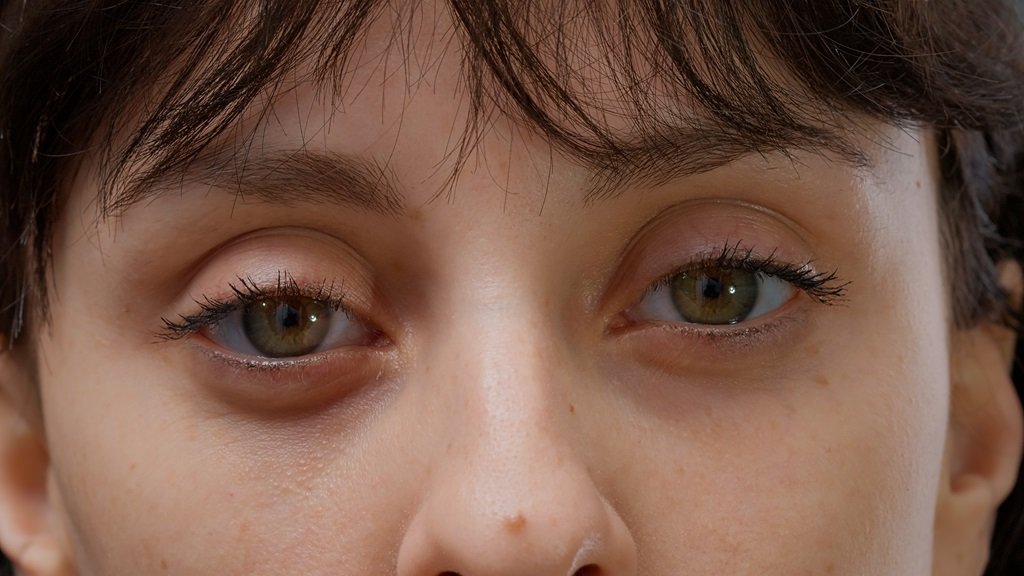
Under-eye bags refer to puffiness, fullness, or a bulging appearance beneath the lower eyelids. They can occur because of changes in the tissues surrounding the eyes, particularly the fat compartments that naturally support the eyeball.
The lower eyelid contains skin, muscle, connective tissue, and fat. With time, the relationship between these structures can change. Fat that previously remained well supported may become more prominent, while the skin can gradually lose some of its firmness.
The result can be a fuller appearance underneath the eyes, sometimes accompanied by a visible transition between the lower eyelid and upper cheek.
Why Do Under-Eye Bags Develop?
There is no single cause behind under-eye bags. Several factors can contribute to their appearance, and they often work together.
Genetics, natural ageing, facial anatomy, skin characteristics, fluid retention, sleep patterns, and lifestyle factors can all influence how prominent the lower eyelid area appears.
For some individuals, under-eye fullness becomes noticeable relatively early because of inherited facial structure. Others may develop more prominent bags gradually as the tissues around the eyes change with age.
Understanding the specific cause is therefore important when considering treatment.
How Does Ageing Affect the Lower Eyelids?
Ageing is one of the most recognised factors associated with under-eye bags.
As the face naturally changes over time, the skin may become less firm and the tissues supporting the lower eyelid can gradually alter. The structures that previously held the lower eyelid fat in position may become less supportive.
At the same time, changes in skin elasticity can make existing fullness more visible. The combination of these changes can create a more pronounced bag-like appearance beneath the eyes.
These changes are part of the natural ageing process and can vary considerably from one person to another.
Can Genetics Cause Under-Eye Bags?
Yes. Genetics can play an important role in the appearance of the lower eyelids.
Some people naturally have more prominent fat compartments beneath their eyes or a facial structure that creates greater lower-eyelid fullness. In these cases, under-eye bags may become noticeable even at a relatively young age.
Family characteristics can sometimes provide clues. If close relatives have similar under-eye fullness, inherited anatomy may be contributing to the appearance.
This is one reason why under-eye bags are not always related to age.
Does Fat Around the Eyes Cause Bags?
Fat is a natural and important component of the structures around the eyes. It helps cushion and support the eyeball.
However, changes in the position or prominence of lower-eyelid fat can contribute to a puffy appearance. When the fat becomes more noticeable beneath the lower eyelid, it may create the rounded fullness commonly described as an under-eye bag.
During a professional assessment, the position and amount of lower-eyelid fat can be evaluated to understand whether it is contributing to the concern.
Can Loose Skin Make Under-Eye Bags More Visible?
Yes. Changes in lower-eyelid skin can influence the appearance of under-eye bags.
As skin elasticity changes, the lower eyelid may develop additional laxity or fine lines. If prominent fat is present underneath the skin, reduced skin firmness can make that fullness more noticeable.
The relationship between skin and underlying tissues is therefore an important part of assessing the lower eyelid.
Treatment planning needs to consider both the skin and deeper structures rather than focusing on only one feature.
How Does Facial Anatomy Affect Under-Eye Bags?
Every face has a different anatomical structure. The shape of the eye socket, position of the cheek, lower-eyelid tissues, and distribution of facial fat can all influence the appearance of the under-eye region.
Two people may have similar levels of lower-eyelid fullness but appear quite different because of differences in their facial proportions.
This makes personalised assessment particularly important when considering Eyelid Bag Surgery Dubai.
Can Fluid Retention Cause Temporary Under-Eye Puffiness?
Yes. Fluid retention can make the area beneath the eyes appear temporarily puffy.
The appearance may be more noticeable after certain meals, changes in sleep, or periods when the body retains more fluid. In these situations, the fullness may fluctuate rather than remain constant.
Temporary puffiness is different from structural under-eye bags caused by changes in the lower-eyelid tissues.
A professional evaluation can help distinguish between temporary swelling and more persistent anatomical fullness.
Does Lack of Sleep Cause Under-Eye Bags?
Poor sleep can make the area around the eyes look more tired and puffy. It may also make existing under-eye concerns more noticeable.
However, lack of sleep is not necessarily the underlying cause of permanent anatomical under-eye bags.
Someone may notice that their eyes look more refreshed after improving their sleep routine, while structural fullness beneath the lower eyelids may remain.
Understanding this distinction can help patients develop realistic expectations about what lifestyle changes can and cannot address.
Can Lifestyle Factors Affect the Appearance of Under-Eye Bags?
Certain lifestyle factors can influence how prominent the under-eye area appears.
Sleep patterns, hydration, dietary habits, stress, and general wellbeing may affect temporary puffiness and the overall appearance of the skin.
However, lifestyle adjustments generally cannot change inherited facial anatomy or permanently reposition prominent lower-eyelid fat.
For persistent concerns, an assessment can help determine whether the appearance is primarily related to temporary factors or structural changes.
What Is the Difference Between Under-Eye Bags and Dark Circles?
Under-eye bags and dark circles are different concerns, although they can occur together.
Under-eye bags primarily refer to puffiness or fullness beneath the eyes. Dark circles refer to darker pigmentation or shadowing in the under-eye area.
Shadowing can sometimes become more noticeable when under-eye bags create a transition between the lower eyelid and cheek.
Because the causes are different, the most appropriate approach also varies. A procedure designed to address structural under-eye fullness may not directly address pigmentation.
Can Tear Troughs Make Under-Eye Bags Look More Noticeable?
The tear trough is the depression that can extend from the inner corner of the eye towards the cheek.
As facial tissues change, the contrast between a hollow area and nearby fullness can become more noticeable. This can create the impression of both a hollow and a bag beneath the eyes.
The relationship between under-eye fullness and the surrounding facial contours is therefore important when assessing the area.
A specialist can evaluate whether the concern is primarily caused by protruding tissue, hollowing, skin changes, or a combination of these factors.
Why Do Under-Eye Bags Sometimes Appear in Younger People?
Under-eye bags are not exclusive to older adults.
Younger people can have prominent lower-eyelid fullness because of inherited anatomy, naturally positioned fat compartments, facial structure, or skin characteristics.
When the concern is present from an early age, it may have more to do with individual anatomy than with age-related changes.
An assessment can help identify the main factors contributing to the appearance.
What Is Blepharoplasty?
Blepharoplasty is a surgical procedure designed to improve the appearance and, in appropriate cases, function of the eyelids.
Depending on the patient’s needs, blepharoplasty may involve the upper eyelids, lower eyelids, or both.
Lower eyelid blepharoplasty can be considered when the primary concern involves under-eye fullness, excess skin, or changes in the tissues beneath the lower eyelid.
The procedure is planned according to the individual’s anatomy rather than using the same technique for every patient.
How Can Lower Blepharoplasty Address Under-Eye Bags?
Lower blepharoplasty focuses on the structures contributing to the appearance of the lower eyelids.
Depending on the individual case, treatment may involve addressing prominent fat, managing excess skin, or carefully improving the transition between the lower eyelid and cheek.
The exact surgical approach depends on the patient’s anatomy and desired outcome.
The objective is generally to create a more balanced lower-eyelid appearance while respecting the natural structure of the face.
Is Eyelid Bag Surgery the Same as Blepharoplasty?
Eyelid bag surgery is commonly used to describe procedures aimed at improving prominent under-eye bags, while blepharoplasty is the broader medical term for eyelid surgery.
Lower blepharoplasty can be used to address concerns involving the lower eyelids, including prominent under-eye fullness.
Therefore, when researching Eyelid Bag Surgery Dubai, patients may also encounter the term Blepharoplasty Dubai when exploring surgical options for the eyelid area.
What Happens During an Under-Eye Assessment?
A consultation usually begins with a discussion about the patient’s concerns and what they would like to change.
The lower eyelid area is then examined carefully. The specialist considers skin quality, fat distribution, eyelid position, cheek structure, facial proportions, and the relationship between the lower eyelid and surrounding tissues.
Photographs or other assessments may be used to support treatment planning.
This detailed evaluation helps determine which features are responsible for the visible under-eye bags and whether surgery is an appropriate option.
Why Is Individualised Planning Important?
Under-eye bags do not look identical from person to person. One patient may have mainly prominent fat, while another may have a combination of skin laxity, fat prominence, and tear-trough hollowing.
Treating every patient in exactly the same way would not account for these differences.
A personalised plan allows the specialist to focus on the specific anatomical features contributing to the appearance and select an approach that suits the patient’s facial proportions.
What Should You Discuss During Your Consultation?
Patients can use the consultation to ask about the cause of their under-eye bags, the recommended treatment approach, the areas being addressed, and how the procedure is expected to affect the overall appearance.
It can also be useful to discuss whether the concern is mainly related to skin, fat, hollowing, or a combination of factors.
Understanding the treatment plan before proceeding helps ensure that the patient’s expectations and the proposed approach are properly aligned.
What Results Can Patients Expect From Treatment?
The purpose of lower eyelid treatment is generally to create a smoother and more balanced appearance around the eyes.
Reducing the prominence of under-eye fullness may make the lower eyelid appear less heavy and create a more harmonious transition towards the cheek.
The final appearance depends on the patient’s starting anatomy, the treatment technique, and the individual healing process.
The aim is to complement the patient’s natural facial characteristics rather than create an identical appearance for everyone.
Conclusion
Under-eye bags can develop for many reasons, including genetics, natural ageing, changes in lower-eyelid fat, skin elasticity, facial anatomy, and temporary fluid retention. Sleep and lifestyle factors may influence temporary puffiness, but persistent structural under-eye bags often have a deeper anatomical basis.
Understanding the underlying cause is an important part of deciding whether treatment is appropriate. Eyelid Bag Surgery Dubai may be considered for individuals whose under-eye appearance is primarily related to structural changes in the lower eyelids.
At Cornerstone, a personalised assessment can help identify the features contributing to under-eye bags and determine whether lower blepharoplasty or another approach is suitable. By examining the relationship between the eyelids, surrounding tissues, and overall facial proportions, treatment can be planned around the individual’s unique appearance.
Frequently Asked Questions
What is the main cause of under-eye bags?
Under-eye bags can result from genetics, ageing, changes in lower-eyelid fat, reduced skin elasticity, facial anatomy, and temporary fluid retention. Several factors can contribute at the same time.
Can genetics cause under-eye bags?
Yes. Some people naturally have more prominent lower-eyelid fat or facial anatomy that makes under-eye fullness more noticeable.
Can under-eye bags appear at a young age?
Yes. Younger individuals can have prominent under-eye bags because of inherited anatomy, facial structure, or naturally positioned lower-eyelid tissues.
Does lack of sleep permanently cause under-eye bags?
Lack of sleep can make the eyes appear more tired and temporarily increase puffiness, but it is not usually the underlying cause of permanent structural under-eye bags.
Are dark circles the same as under-eye bags?
No. Dark circles generally involve pigmentation or shadowing, while under-eye bags refer primarily to puffiness or fullness beneath the lower eyelids.
Can fluid retention make under-eye bags more noticeable?
Yes. Temporary fluid retention can increase puffiness beneath the eyes, particularly when combined with certain lifestyle or sleep-related factors.
What is lower blepharoplasty?
Lower blepharoplasty is eyelid surgery that can address concerns involving the lower eyelids, including prominent under-eye fullness and, where appropriate, excess skin.
Is eyelid bag surgery the same as blepharoplasty?
Eyelid bag surgery is a general term often used for procedures addressing under-eye bags. Lower blepharoplasty is the specific surgical term for eyelid surgery involving the lower eyelids.
Can blepharoplasty remove under-eye bags?
Lower blepharoplasty may be recommended when prominent under-eye bags are caused by structural changes in the lower eyelid. The exact technique depends on the individual’s anatomy.
Can lifestyle changes remove structural under-eye bags?
Lifestyle improvements may reduce temporary puffiness and help the eye area look more refreshed, but they generally cannot change inherited anatomy or permanently prominent lower-eyelid fat.
Why do my under-eye bags look worse in the morning?
Morning puffiness can be influenced by fluid accumulation during sleep and other temporary factors. Structural under-eye fullness may also appear more noticeable when temporary puffiness is present.
Can facial anatomy affect the appearance of under-eye bags?
Yes. The shape of the eye socket, cheek structure, lower-eyelid tissues, and distribution of facial fat can all influence how prominent the under-eye area appears.
Can tear troughs make bags look more prominent?
Yes. A depression beneath the lower eyelid can create a contrast between hollow areas and nearby fullness, making under-eye bags appear more noticeable.
How is the cause of under-eye bags determined?
A specialist examines the lower eyelids and surrounding facial structures, considering factors such as skin quality, fat distribution, eyelid position, cheek anatomy, and facial proportions.
Is everyone with under-eye bags suitable for surgery?
No. Suitability depends on the underlying cause, anatomy, expectations, and overall treatment goals. A professional consultation is needed before deciding on treatment.
What is discussed during an eyelid surgery consultation?
The consultation typically covers your concerns, facial anatomy, the condition of the lower eyelids, possible treatment approaches, expected changes, and the overall treatment plan.
Can under-eye bags be treated without surgery?
Some temporary puffiness may improve with lifestyle measures or non-surgical approaches, depending on its cause. Persistent structural fullness may require a different treatment strategy.
What is the goal of Eyelid Bag Surgery Dubai?
The goal is generally to improve the appearance of prominent under-eye fullness and create a smoother, more balanced relationship between the lower eyelids and surrounding facial features.
What does Blepharoplasty Dubai involve?
Blepharoplasty Dubai refers to eyelid surgery planned according to the patient’s specific eyelid concerns. Lower blepharoplasty may focus on structural changes contributing to under-eye bags.
How do I know whether my under-eye bags are caused by ageing or genetics?
An assessment can help distinguish inherited anatomical features from changes associated with ageing. In many people, both factors contribute to the appearance.
Why should under-eye bags be assessed individually?
The visible appearance of under-eye bags can have different underlying causes. Individual assessment allows the treatment plan to address the specific anatomical features responsible for the concern.