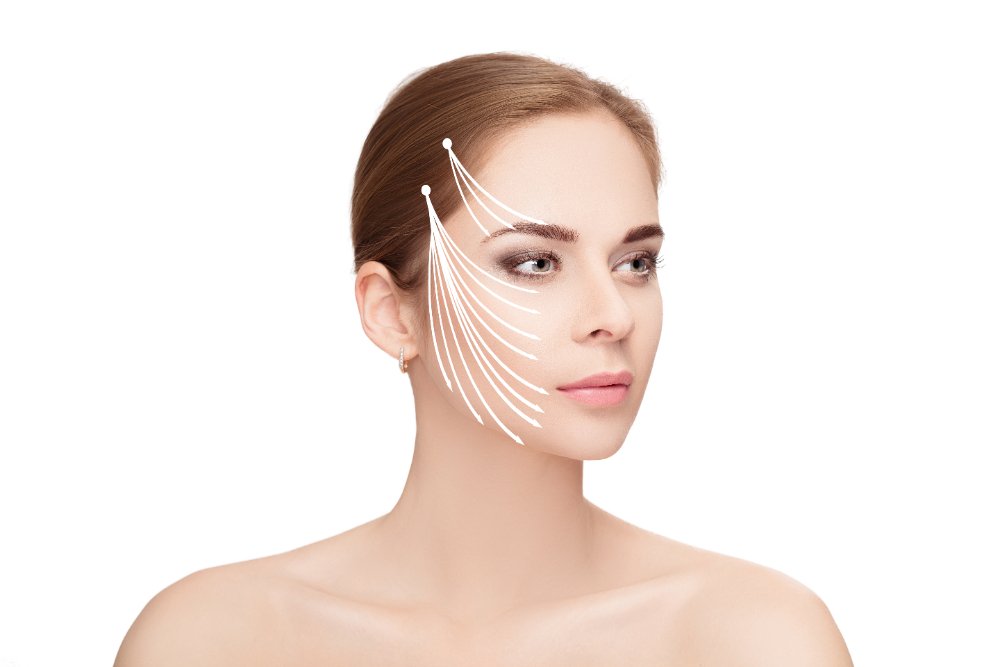
The eyes contribute significantly to facial balance, expression, and overall appearance. Their shape and surrounding contours can influence how the entire face looks. However, natural ageing, genetics, and changes in skin elasticity may gradually affect the eyelids. Loose upper eyelid skin, prominent under-eye bags, and changes in eyelid position can make the eyes appear heavy or tired.
For individuals interested in improving these concerns, surgical solutions may offer an appropriate option. Eyelid surgery in Islamabad also known as blepharoplasty, focuses on selected changes involving the upper and lower eyelids. With careful planning and professional assessment, the procedure can help refine eye contours while preserving natural facial features.
Understanding Eye Shape and Eyelid Structure
Every individual has a naturally different eye shape. The appearance of the eyes depends on several factors, including eyelid skin, muscle position, fat distribution, brow structure, and the surrounding facial anatomy.
As people age, the skin may gradually lose collagen and elasticity. This can lead to folds around the upper eyelids, loose lower eyelid skin, and more noticeable fat deposits beneath the eyes.
Some individuals also have naturally heavy eyelids due to genetics. These characteristics do not always indicate a medical problem, but they may become a cosmetic concern for people seeking a more defined appearance.
What Is Eyelid Surgery?
Eyelid surgery is a procedure that addresses selected concerns involving excess eyelid skin and surrounding tissues. Depending on the patient’s needs, treatment may involve the upper eyelids, lower eyelids, or both.
Upper blepharoplasty generally focuses on removing an appropriate amount of excess skin to improve the upper eyelid contour. Lower blepharoplasty may address prominent fat deposits and selected cases of loose skin that contribute to under-eye bags.
The objective is to create a balanced appearance without unnecessarily changing the person’s natural eye shape. A qualified surgeon considers both appearance and eyelid function when developing a surgical plan.
Upper Eyelid Surgery for a More Defined Contour
Excess upper eyelid skin can create folds that make the eyes appear smaller or heavier. In some cases, the skin may extend over the eyelashes and interfere with peripheral vision.
Upper eyelid surgery may help by removing carefully selected excess skin. The surgeon usually places an incision within the natural eyelid crease, where the resulting scar may become less noticeable as healing progresses.
The procedure requires precise planning because removing too much skin can affect the ability to close the eyes comfortably. If the eyelid itself sits too low because of muscle weakness, a separate procedure called ptosis repair may be necessary.
Lower Eyelid Surgery for Under-Eye Improvement
The lower eyelids play an important role in the overall appearance of the eyes. Prominent fat deposits, loose skin, and under-eye bags may create a tired appearance.
Lower blepharoplasty may help selected patients by removing or repositioning fat and addressing excess skin when appropriate. The incision may be placed just below the eyelashes or inside the lower eyelid, depending on the patient’s anatomy and treatment goals.
Not every under-eye concern can be corrected through surgery. Dark circles may result from pigmentation, thin skin, allergies, or natural facial structure. Hollowness may also require a different treatment approach. A professional assessment helps identify the actual cause.
Personalized Surgical Planning for Natural Results
A successful treatment plan should reflect the patient’s individual eye structure rather than follow a standard approach. The surgeon evaluates the eyelids, skin elasticity, muscle function, and facial proportions before recommending surgery.
Important considerations include:
- The amount of excess upper or lower eyelid skin.
- The position and function of the eyelid muscles.
- Fat distribution around the eyes.
- Existing dry-eye symptoms or other eye conditions.
- Previous eye procedures and medical history.
- Personal expectations and desired improvements.
Patients should explain their goals clearly and ask about realistic outcomes. The purpose of surgery is to improve selected concerns while maintaining comfortable eyelid movement and a natural appearance.
What to Expect During the Procedure
The surgical process depends on the chosen technique and the areas being treated. Eyelid surgery may be performed under local anaesthesia, sometimes with sedation, or another approach recommended by the medical team.
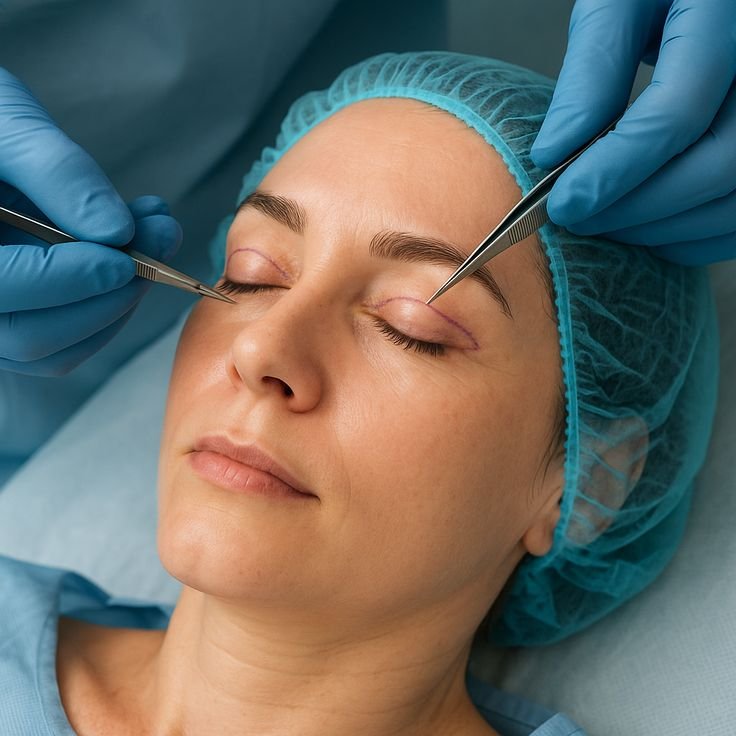
Before the procedure, the surgeon assesses and marks the treatment area. Incisions are made according to the surgical plan, and selected excess skin or fat is removed or repositioned. The incisions are then closed using appropriate sutures.
The duration varies depending on whether one or both eyelids are being treated. Patients receive specific instructions about preparation, medication, and post-surgical care.
Recovery and Aftercare
Temporary swelling, bruising, mild discomfort, and sensitivity are common after eyelid surgery. These effects usually improve gradually, although recovery differs between individuals.
Following the surgeon’s instructions is important. Patients may be advised to:
- Use prescribed medication or ointment.
- Apply cool compresses when recommended.
- Keep the head elevated while resting.
- Avoid strenuous exercise until medically cleared.
- Avoid eye makeup and contact lenses until approved.
- Protect the healing area from excessive sunlight.
- Attend all scheduled follow-up appointments.
Severe pain, significant bleeding, worsening swelling, or changes in vision require prompt medical attention. Sudden vision changes should be treated as an emergency.
Choosing Professional Eyelid Surgery in Islamabad
Selecting an appropriately qualified and experienced surgeon is an important step when considering an eyelid procedure. Patients should ask about professional credentials, experience with blepharoplasty, possible complications, surgical techniques, and recovery expectations.
A consultation for eyelid surgery in Islamabad can help determine whether upper eyelid surgery, lower eyelid surgery, or another treatment is suitable. Individual assessment ensures that the treatment plan considers both cosmetic goals and eye health.
Making an informed decision, understanding the limitations of surgery, and following professional guidance can support a more confident treatment journey.
Frequently Asked Questions
1. Can eyelid surgery create a more defined eye shape?
Eyelid surgery may improve the appearance of excess skin and selected tissue concerns, creating a more defined eyelid contour. Eyelid surgery in Islamabad begins with an assessment of individual anatomy and treatment goals.
2. Is upper eyelid surgery different from lower eyelid surgery?
Yes. Upper eyelid surgery generally addresses excess upper eyelid skin, while lower eyelid surgery may focus on under-eye bags and selected loose skin. A consultation for eyelid surgery in Islamabad helps identify the appropriate procedure.
3. Can eyelid surgery change my natural eye shape?
The aim is generally to improve the eyelid contour while preserving natural facial features. Before eyelid surgery in Islamabad, patients should discuss their desired appearance and realistic expectations with their surgeon.
4. How long does recovery take after eyelid surgery?
Initial swelling and bruising often improve over the first few weeks, although complete healing varies. Patients undergoing eyelid surgery in Islamabad should follow their surgeon’s aftercare instructions.
5. Can eyelid surgery address under-eye bags and excess skin together?
In selected patients, the surgeon may address both concerns during lower eyelid surgery. An assessment for eyelid surgery in Islamabad helps determine which technique is appropriate.
6. How do I know if I am suitable for eyelid surgery?
A qualified surgeon can evaluate your eyelid structure, eye health, medical history, and expectations. A consultation for eyelid surgery in Islamabad helps establish whether the procedure is suitable for your individual needs.
For more information visit
Enfield royal clinic in islamabad