
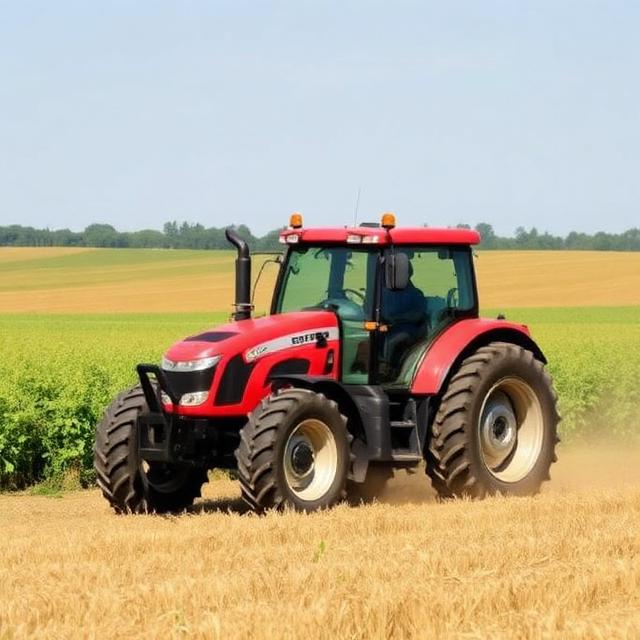
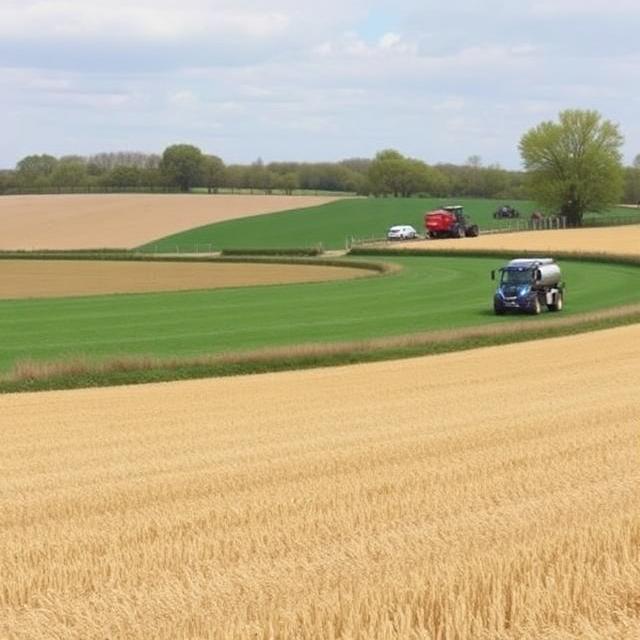
The agricultural landscape of the United Kingdom relies on a steady heartbeat of energy to keep the nation fed. From the rolling hills of the Southwest to the vast arable stretches of East Anglia, UK farming fuel is the silent partner in every successful harvest. Managing a farm’s energy needs requires a balance between powering heavy-duty machinery and maintaining a comfortable environment in the farmhouse and livestock sheds. Understanding the different types of fuel available and how to secure a reliable supply is a fundamental part of modern farm management.
Streamlining Operations with Farm Fuel Delivery
In an industry where the weather dictates the schedule, flexibility is the most valuable trait a supplier can offer. A professional farm fuel delivery service is designed to take the guesswork out of energy management. During the high-pressure windows of drilling and harvesting, the last thing a farmer needs is a dry tank.
Top-tier delivery services now use advanced routing technology to ensure timely arrivals, even in the most “off the beaten track” locations. Many suppliers also offer managed top-up services, where they monitor your tank levels remotely and schedule a delivery before you even realize you are running low. This proactive approach allows farmers to focus on their crops and livestock rather than their fuel gauges.
Powering the Fleet with Red Diesel Delivery
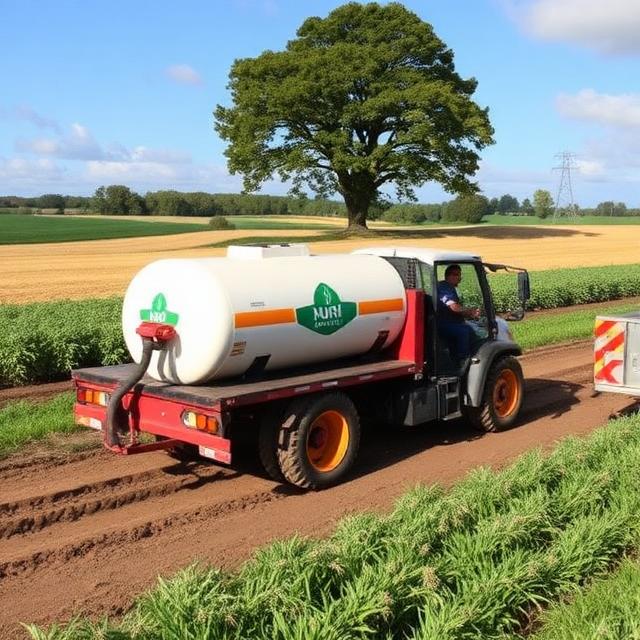
For decades, gas oil—commonly known as red diesel—has been the standard for off-road agricultural vehicles. It remains a cost-effective solution for tractors, harvesters, and telehandlers. Because it is intended for use in the fields rather than on public highways, it benefits from a lower tax rate, making it a staple of UK farming fuel budgets.
Securing a consistent red diesel delivery is about more than just price; it is about fuel quality. Modern Stage V engines are highly sophisticated and require clean, high-grade fuel to operate without fault. Reputable suppliers ensure their red diesel is free from water and sediment, often offering premium versions with additives that help prevent the growth of “diesel bug” during long periods of storage in the winter months.
Heating Solutions with Industrial Heating Oil
Farms are multi-faceted businesses that often require heat for more than just the home. Large-scale grain dryers, poultry units, and greenhouses demand a high-output energy source. This is where industrial heating oil (IHO) becomes an essential asset.
IHO is a specifically formulated fuel designed for commercial boiler applications. It provides a high calorific value, meaning you get more heat for every litre burned. For farms with significant commercial heating requirements, sourcing this fuel from experienced industrial oil suppliers can lead to substantial overhead reductions compared to using standard transport diesel for heating purposes.
Working with Expert Industrial Oil Suppliers
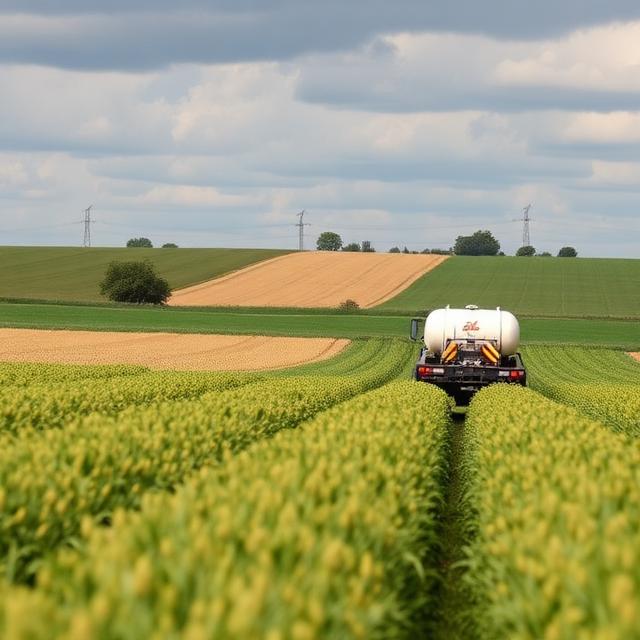
The relationship between a farm and its industrial oil suppliers should be one of mutual trust. In 2026, the best suppliers act as consultants, helping farmers navigate the volatility of the global oil market. They provide insight into when to buy in bulk to avoid seasonal price spikes and offer advice on transitioning to newer, cleaner-burning fuels.
A reliable supplier will also assist with technical requirements, such as ensuring your storage tanks meet current environmental regulations. They provide a vital link in the supply chain, ensuring that even during periods of high national demand, the agricultural sector remains a priority.
Reliability in Domestic Fuel Delivery
The farmhouse is the nerve center of any agricultural holding, and keeping it warm is a priority for the family and the business. Since most rural properties lack a connection to the natural gas grid, they rely on domestic heating oil, usually kerosene.
Organizing a domestic fuel delivery is a routine part of rural life. Many farmers find it most efficient to coordinate their home heating orders with their commercial fuel deliveries. By using the same supplier for both the tractor fuel and the house heating, you can simplify your invoicing and potentially benefit from multi-product discounts. Kerosene remains the preferred choice for domestic use due to its clean-burning nature and compatibility with traditional range cookers.
The Vital Role of Local Farm Fuel Suppliers
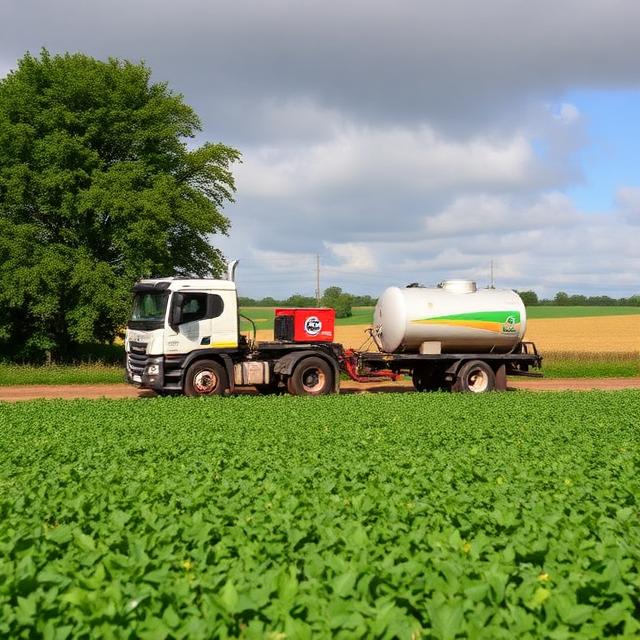
While national companies have their place, many farmers prefer the personal touch of local farm fuel suppliers. A local depot understands the specific geography of the area—they know which bridges have weight limits and which farm tracks turn into bogs after a heavy rain.
These suppliers are often the first to respond in an emergency. If a sudden cold snap threatens livestock or a harvest window opens unexpectedly, having a supplier who is just a few miles away can make all the difference. They are the backbone of the UK farming fuel network, providing a level of service that goes beyond a simple transaction.
Storage Safety and Environmental Care
Proper fuel management does not end once the tanker leaves the yard. Storage is a critical component of the fuel cycle. With the high value of fuel in 2026, security is paramount. Farmers are increasingly investing in reinforced, bunded tanks equipped with alarms to deter theft and prevent accidental spills.
Environmental stewardship is a core value in British farming. Ensuring that your farm fuel delivery is pumped into a well-maintained, compliant tank protects the local ecosystem. Suppliers often offer tank inspection services as part of their delivery package, helping to identify potential leaks or structural weaknesses before they become a problem.
A Sustainable Outlook for Farming Fuel
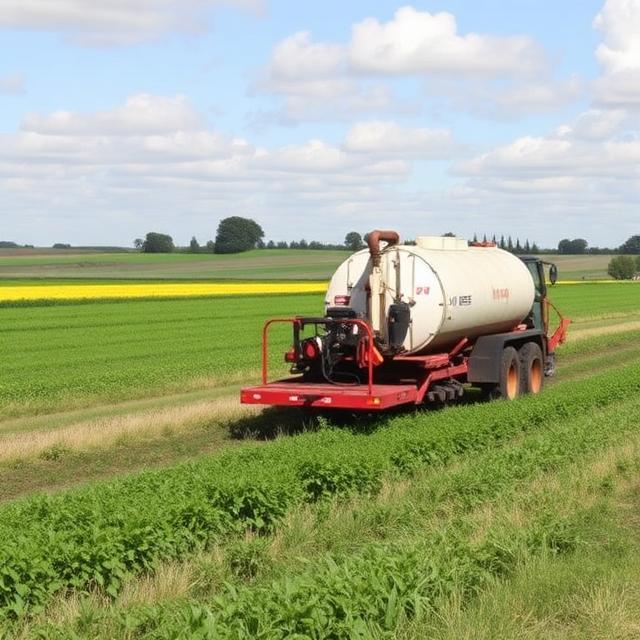
The future of energy on the farm is shifting toward a mix of traditional and renewable sources. While liquid fuels like red diesel and kerosene remain dominant today, the industry is gradually incorporating biofuels and synthetic alternatives.
By staying informed about the latest developments in UK farming fuel and maintaining strong ties with reliable industrial oil suppliers, the British agricultural community is well-positioned to face the future. Whether it is heating the home or powering the next generation of autonomous machinery, a secure and efficient fuel supply remains the foundation of a productive farm.