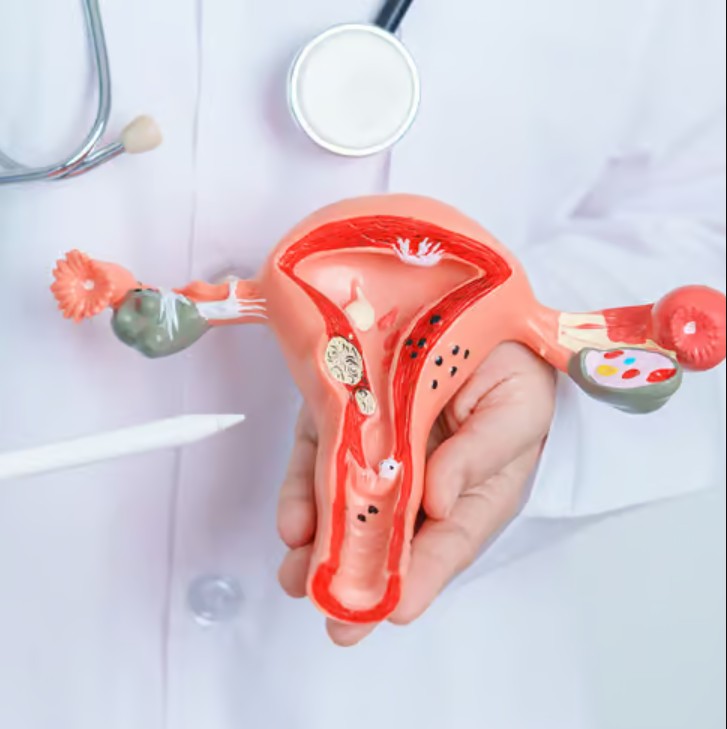
Endometriosis is a condition in which tissue similar to the lining of the uterus grows outside the uterus. It can affect different areas of the pelvis and may be associated with symptoms such as painful periods, pelvic discomfort, pain during intercourse, digestive symptoms around menstruation, urinary discomfort, or difficulties with fertility. Because symptoms can vary significantly from person to person, identifying the condition often requires a personalized diagnostic approach.
An Endometriosis Test In Dubai can help healthcare professionals investigate symptoms, assess possible endometriosis-related changes, and determine which additional evaluations may be appropriate. Rather than relying on a single test for every patient, the diagnostic process can be tailored according to symptoms, medical history, physical findings, reproductive goals, and previous investigations.
At EV Clinic Dubai, personalized women’s health assessment can help patients understand which diagnostic steps may be appropriate for their individual circumstances.
What Is Endometriosis?
Endometriosis is a chronic gynecological condition involving tissue similar to the uterine lining outside the uterus. These areas can occur around the ovaries, fallopian tubes, pelvic lining, bowel, bladder, and other structures within the pelvis.
Why Endometriosis Can Be Difficult to Identify
Endometriosis does not present identically in every person. Some individuals may experience significant symptoms, while others may have relatively mild or nonspecific symptoms. The location and extent of endometriosis can also influence the type of symptoms experienced.
For this reason, a detailed medical history is an important part of the assessment. A healthcare professional may ask about menstrual patterns, pelvic symptoms, pain characteristics, bowel or bladder symptoms, previous gynecological conditions, and fertility concerns.
Why Personalized Testing Matters
A personalized approach allows testing to focus on the symptoms and clinical findings that are most relevant to an individual patient. Depending on the circumstances, this may include a clinical assessment followed by imaging or other investigations.
Current NICE guidance recommends specialist transvaginal ultrasound for suspected endometriosis and notes that specialist pelvic ultrasound or MRI may be used when deep endometriosis is suspected.
Who May Consider an Endometriosis Test?
Testing may be considered when symptoms or medical history raise the possibility of endometriosis.
Painful Periods
Severe or persistent menstrual pain that interferes with everyday activities may warrant further evaluation. While period pain can have several causes, a healthcare professional may consider endometriosis among the possible explanations when symptoms are persistent or particularly troublesome.
Ongoing Pelvic Pain
Pelvic pain that occurs outside the menstrual period can have different causes. A clinical assessment can help determine whether additional investigation for endometriosis is appropriate.
Pain During Intercourse
Deep pelvic discomfort or pain during sexual intercourse may be associated with several gynecological conditions, including endometriosis. Discussing the timing, location, and pattern of symptoms can help guide further assessment.
Digestive or Urinary Symptoms
Some people with endometriosis experience symptoms involving the bowel or bladder, particularly around menstruation. These symptoms may require careful evaluation because they can overlap with other gastrointestinal or urinary conditions.
Fertility Concerns
Endometriosis may be relevant when someone is experiencing difficulty becoming pregnant. A fertility-focused assessment can help determine whether further investigation for endometriosis or other reproductive factors is appropriate.
What Happens During an Endometriosis Assessment?
An endometriosis assessment generally begins with understanding the patient’s symptoms and medical history. The next steps depend on the findings of that initial evaluation.
Medical History
A healthcare professional may ask about:
- Menstrual cycle patterns
- Severity and duration of period pain
- Pelvic pain
- Pain during intercourse
- Bowel-related symptoms
- Urinary symptoms
- Previous gynecological investigations
- Fertility history
- Previous treatments
- Family history of relevant conditions
Keeping a record of symptoms can be useful when preparing for an appointment.
Physical Examination
Depending on the clinical situation, a physical examination may be performed. The findings can help determine whether imaging or specialist evaluation is appropriate.
Importantly, a normal examination does not necessarily rule out endometriosis. NICE guidance states that endometriosis should not automatically be excluded when abdominal or pelvic examination findings are normal.
Types of Tests Used to Investigate Endometriosis
There is no universal single test that provides the same answer for every patient. Different investigations may provide different types of information.
Ultrasound
Ultrasound is commonly used when endometriosis is suspected. A specialist transvaginal ultrasound may help assess the pelvis and identify findings such as ovarian endometriomas or signs associated with deep endometriosis.
The quality of an ultrasound examination can depend on the expertise of the person performing and interpreting the scan. NICE recommends that specialist transvaginal ultrasound examinations for suspected endometriosis be planned and interpreted by healthcare professionals with specialist expertise in gynecological imaging.
Pelvic MRI
MRI can provide detailed images of pelvic structures and may be considered when deep endometriosis is suspected or when additional anatomical information is needed.
MRI is particularly useful in evaluating certain forms of deep endometriosis. However, it should be interpreted in the context of the patient’s symptoms and other clinical findings rather than being considered a standalone answer.
Diagnostic Laparoscopy
In selected cases, diagnostic laparoscopy may be considered. This is a minimally invasive surgical procedure that allows a specialist to directly inspect the pelvic area.
NICE guidance states that laparoscopy can be considered for suspected endometriosis even when ultrasound or MRI findings are normal.
Whether laparoscopy is appropriate depends on the individual situation, previous investigations, symptoms, treatment considerations, and discussions with the relevant specialist.
Blood Tests
Blood tests may sometimes be used as part of a broader medical assessment, but they should not automatically be considered a definitive test for endometriosis. For example, NICE specifically states that CA-125 is not a suitable tool for diagnosing endometriosis.
This highlights why a personalized assessment is important rather than depending on one laboratory result.
How Personalized Endometriosis Testing Works
Personalized testing means that investigations are selected according to the patient’s individual presentation.
Step 1: Discuss Your Symptoms
The first step is usually a detailed discussion about symptoms. Patients should describe when symptoms occur, how long they have been present, and whether they change during the menstrual cycle.
Step 2: Review Medical History
Previous scans, treatments, surgeries, fertility assessments, and gynecological conditions may provide important information.
Step 3: Select Appropriate Investigations
Based on the clinical picture, a healthcare professional may recommend an ultrasound, MRI, or other investigation.
Step 4: Interpret Results in Context
A test result should be interpreted alongside symptoms and clinical findings. A normal scan does not always mean that symptoms have no underlying cause.
Step 5: Plan Further Evaluation When Necessary
If symptoms continue despite an initial normal investigation, further specialist assessment may be considered. NICE guidance recommends considering referral for additional assessment when clinical suspicion remains or symptoms persist.
Why Early Evaluation Can Be Helpful
Persistent gynecological symptoms should not simply be accepted as a normal part of menstruation. Seeking an appropriate evaluation can help patients understand possible causes and make informed decisions about their healthcare.
Better Understanding of Symptoms
A structured assessment can help distinguish symptoms that may be associated with endometriosis from those that may have other explanations.
More Individualized Healthcare Planning
When testing is based on individual symptoms and findings, the healthcare team can make more informed decisions about which investigations may be useful.
Greater Awareness of Reproductive Health
For people considering pregnancy, understanding reproductive health concerns can be an important part of the overall assessment.
Factors That May Affect Endometriosis Test Cost In Dubai
The Endometriosis Cost Test In Dubai can vary because endometriosis assessment is not necessarily based on one standardized test.
Type of Investigation
The cost may depend on whether the assessment involves consultation, ultrasound, MRI, laboratory testing, or additional investigations.
Specialist Assessment
A consultation with a specialist may have a separate fee from diagnostic imaging or laboratory investigations.
Number of Tests Required
Some patients may require only an initial assessment and ultrasound, while others may need additional investigations depending on their symptoms and initial findings.
Personalized Diagnostic Planning
Because the diagnostic pathway can differ from one person to another, it is generally more useful to discuss the expected Endometriosis Test Cost In Dubai with the healthcare provider after the appropriate evaluation has been determined.
How to Prepare for an Endometriosis Assessment
Good preparation can help make the consultation more informative.
Track Your Menstrual Symptoms
Record the timing and severity of pelvic pain, period pain, bowel symptoms, urinary symptoms, and other changes throughout your cycle.
Bring Previous Medical Reports
If you have previously undergone pelvic ultrasound, MRI, blood tests, or gynecological procedures, bringing the available reports can help provide a more complete picture.
Write Down Your Questions
Consider preparing questions about the recommended tests, what each investigation evaluates, when results may be available, and what further evaluation might be appropriate.
Discuss Fertility Goals
If pregnancy is currently a priority or may become important in the future, mention this during the consultation because reproductive goals can influence clinical decision-making.
Understanding Your Endometriosis Test Results
Test results should be interpreted carefully and in relation to the overall clinical picture.
Normal Imaging Does Not Always Explain Symptoms
Some forms of endometriosis can be difficult to identify through imaging. NICE guidance specifically advises that normal ultrasound or MRI findings should not automatically exclude endometriosis.
Abnormal Findings May Require Further Assessment
If imaging identifies a suspected endometrioma or possible deep endometriosis, additional specialist assessment may be recommended.
Results Should Be Discussed With a Healthcare Professional
Online information cannot replace individualized interpretation of medical test results. A qualified healthcare professional can explain what a particular finding means in the context of symptoms and medical history.
Endometriosis Testing at EV Clinic Dubai
EV Clinic Dubai focuses on personalized healthcare approaches designed around individual patient needs. When endometriosis is suspected, an appropriate assessment can help determine which diagnostic investigations may provide useful information.
Rather than assuming that every patient requires the same test, the assessment can take symptoms, medical history, reproductive goals, and previous investigations into consideration.
The objective is to provide clearer health insights and help patients understand the next appropriate steps in their healthcare journey.
Why Choose a Personalized Approach to Endometriosis Testing?
Endometriosis can present differently from one person to another. A personalized diagnostic approach recognizes this variation and avoids treating every symptom pattern as identical.
Individual Symptoms Matter
The type, timing, and severity of symptoms can help guide the diagnostic pathway.
Imaging Can Provide Important Information
Specialist ultrasound and MRI can help evaluate different pelvic structures and may be particularly useful when deep endometriosis is suspected.
Further Investigation Can Be Considered When Appropriate
When symptoms remain significant despite normal initial investigations, additional specialist assessment may be considered.
When Should You Consider an Endometriosis Test In Dubai?
Consider discussing an Endometriosis Test In Dubai with a qualified healthcare professional if you experience persistent or severe period pain, recurring pelvic pain, pain during intercourse, cycle-related bowel or urinary symptoms, or fertility concerns.
The presence of these symptoms does not automatically mean that you have endometriosis because several other conditions can produce similar symptoms. A professional assessment can help determine whether endometriosis testing is appropriate and which investigations may be useful.
Conclusion
An Endometriosis Test In Dubai can be an important part of understanding persistent pelvic and menstrual symptoms. Because endometriosis can vary in location, severity, and presentation, personalized testing is often more informative than relying on one investigation for every patient.
Ultrasound, MRI, clinical assessment, and, in selected circumstances, diagnostic laparoscopy can each have a role in the evaluation process. Current guidance emphasizes specialist imaging and recognizes that normal imaging does not always exclude endometriosis.
For individuals seeking clearer information about their symptoms, EV Clinic Dubai can provide a personalized healthcare setting where appropriate assessment and diagnostic options can be discussed. Understanding the Endometriosis Test Cost In Dubai and the investigations that may be recommended can also help patients make informed decisions about their healthcare.