
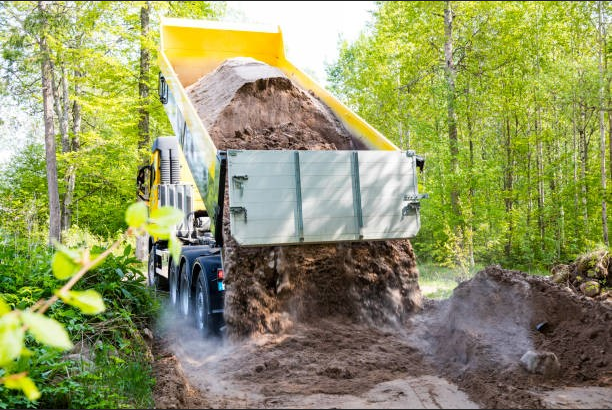
You’ve just finished a roofing job, wrapped up a renovation, or cleared out a yard — and now there’s a pile of debris sitting there that needs to go. Renting a trailer feels like the simplest solution for your cleanup project in California until the rental company starts asking about your tow vehicle capacity, brake controller setup, insurance coverage, and driver’s license class. According to the California DMV towing guide, legal and safe trailer towing starts with the right vehicle, braking setup, and weight compliance.
That’s the part many renters don’t expect. A dump trailer rental comes with specific towing, insurance, and safety requirements that can affect whether you can legally and safely haul debris on public roads. Reliable rental businesses like Blue Bin Trailers ensure checking all these details to protect their fleets, reduce liability risks, and ensure customers tow safely from pickup to drop-off. This guide breaks down each requirement clearly so you can show up prepared, avoid denied rentals, and keep your project on schedule.
Key Takeaways
- California towing laws focus heavily on trailer weight, braking systems, and tow vehicle compatibility.
- Most renters can tow legally with a standard Class C license if weight limits stay compliant.
- Insurance coverage for a dump trailer rental may not fully protect against trailer damage automatically.
- Rental companies verify towing setups to help reduce unsafe hauling and liability risks.
- Checking hitch setup, brake controllers, and lighting before pickup helps prevent towing delays and denied rentals.
7 California Dump Trailer Rental Requirements for Licensing, Insurance, and Safe Towing
- Driver’s License and CDL Requirements
Your driver’s license class determines whether you can legally tow a trailer under California law. Most homeowners handling smaller cleanup projects can tow within standard California Class C limits, while contractors and businesses hauling heavier debris loads may require a Commercial Driver’s License (CDL) based on combined vehicle and trailer weight classifications.
Many renters assume towing is legal as long as the trailer connects properly to the hitch. California regulations also consider trailer classification, combined weight ratings, and whether the trailer is used for residential or commercial hauling. Heavier dump trailers, equipment, and construction materials may trigger stricter towing requirements.
Before approving reservations, rental companies often verify your towing setup and hauling plans. Confirming licensing eligibility early helps reduce compliance violations, towing delays, and insurance complications once the trailer is fully loaded.
- Trailer Weight Limits
Gross Vehicle Weight Rating (GVWR) defines the maximum safe operating weight of your trailer, including materials loaded inside. California laws strictly enforce these limits because overloaded trailers are harder to control during a dump trailer rental.
Whether you are a homeowner clearing renovation debris, a contractor hauling roofing shingles, or a landscaping business transporting mud, your trailer may appear manageable while quietly carrying unsafe weight. Overloading increases trailer sway, braking distance, axle strain, and the risk of tire pressure during transport.
That’s why rental companies ask what type of material you plan to haul before releasing the trailer. Matching the trailer to your hauling needs helps reduce unsafe towing conditions and unnecessary equipment damage.
- Auto and Liability Insurance Coverage
Auto and liability insurance coverage determines whether damage to the trailer, towing accidents, or roadway incidents are financially covered during the rental period. Personal auto insurance may cover some residential hauling situations, but protection often depends on how the trailer is used and whether the hauling is residential or commercial.
Liability protection may extend to the trailer, while physical damage coverage may not apply automatically. Contractors and businesses handling roofing, landscaping, demolition, or construction cleanup projects may also require commercial auto or general liability coverage. Some personal policies even completely exclude business-related trailer use.
That’s why dump trailer rental companies review your hauling activity before pickup. Confirming proper coverage early helps reduce claim disputes, coverage gaps, repair costs, and financial liability once hauling begins.
- Rental Damage and Protection Waivers
Rental damage waivers are optional protection plans that reduce your financial responsibility if a trailer is damaged during the rental period. They may cover incidents such as backing damage, overloading, tire wear, or towing-related issues.
Towing risks increase once the trailer is in use, whether for a one-time cleanup or ongoing construction work. Damage to key components such as brakes, axles, tires, or hydraulic systems can lead to costly repairs.
During dump trailer booking and checkout, rental companies present waiver options so customers can select coverage before the trailer is issued. The selected protection plan is then recorded in the rental agreement and applied for the duration of the rental period.
- Tow Vehicle Capacity and Payload Ratings
Tow vehicle capacity refers to the maximum trailer weight your vehicle can safely pull, while payload ratings include passengers, tools, and cargo carried inside your vehicle. Both ratings directly affect towing safety and compliance with California regulations during transport.
Whether you drive an SUV, work truck, or fleet vehicle, your towing setup needs to properly match the trailer before hauling debris. You may focus mainly on engine size, but safe towing also depends on suspension systems, axle ratings, braking capability, wheelbase stability, and payload limits.
Before approving reservations and trailer delivery, rental companies verify your tow vehicle specifications. An overloaded vehicle can place extra strain on brakes, suspension systems, and trailer stability once the trailer is fully loaded.
- Hitch Receiver and Brake Controller Setup
A hitch receiver and brake controller setup ensures a trailer connects safely to a tow vehicle and provides controlled braking during transport. The hitch receiver, coupler, and ball mount must match the trailer’s towing class and weight rating before departure.
Safe towing depends on properly matched equipment, especially when hauling lighter loads for cleanup or heavier materials such as roofing or construction debris. Incorrect sizing or brake compatibility can affect vehicle control, stability, and braking performance during transport.
Rental providers verify that all towing components are correctly installed, properly rated, and fully functional, in accordance with the trailer requirements. In California, trailers above specific weight limits must be equipped with operational brakes, making compliance and equipment compatibility essential for safe road use.
- Safety Chains, Wiring, and Lighting Requirements
As per California towing laws, safety chains, trailer wiring, and lighting systems are legally required to operate your trailer legally and keep it connected and visible on public roads.
Whether you are hauling renovation debris, towing equipment, or transporting heavy materials, these components play a critical role while driving. Safety chains provide backup protection if the trailer disconnects from the hitch, while trailer wiring keeps brake lights and turn signals functioning properly in traffic or at night.
Reliable rental companies carefully inspect these components right before pick up. Faulty lights, damaged wiring, or disconnected safety chains can increase the risk of roadside violations, poor visibility, and rear-end collisions after dark.
Conclusion
A dump trailer rental involves more than hauling debris. In California, towing laws, trailer weight limits, insurance coverage, and tow vehicle requirements all determine whether equipment can be operated safely and legally once it leaves the lot.
For this reason, rental companies verify towing compatibility, brake controller setup, insurance requirements, and weight ratings before approving a rental. Understanding these requirements in advance helps prevent delays and ensures safer, smoother operation.
For fast and safe dump trailer delivery in California, contact Blue Bins and make your next cleanup project easy and hassle-free.
FAQs
Do you need a special license in California to rent a dump trailer?
Most renters can legally tow smaller dump trailers with a standard California Class C license if the combined weight of the vehicle and trailer remains within legal limits.
Does personal auto insurance cover a dump trailer rental?
Liability coverage often extends to rental trailers, but physical damage protection may vary depending on your insurance provider, policy terms, and trailer drop location.
Why do rental companies verify tow vehicle capacity?
Rental companies verify towing capacity to help reduce overloaded hauling setups, unsafe towing conditions, and unnecessary equipment damage.
Do California dump trailers require brake controllers?
Many heavier dump trailers require electric brake controllers under California towing regulations.
Is weekly trailer rental available for longer cleanup or construction projects?
Yes, many rental companies offer weekly trailer rental options for extended renovation, roofing, landscaping, or construction debris hauling projects.