BMW owners who want to elevate their vehicle’s performance and aesthetic appeal often turn to carbon fibre upgrades. These lightweight materials deliver tangible benefits in weight reduction, visual impact, and driving dynamics. However, not all carbon fibre is created equal. The automotive aftermarket presents two primary options: dry carbon fibre and wet carbon fibre. Understanding the differences between these materials helps you make an informed investment decision for your BMW.
What Makes Carbon Fibre Attractive for BMW Owners
Carbon fibre has become synonymous with high-performance automotive engineering. Its core advantage lies in its exceptional strength-to-weight ratio. Carbon fibre panels can be up to 50 per cent lighter than comparable aluminium parts while maintaining superior rigidity. For BMW drivers, this weight reduction translates into improved acceleration, sharper handling, and more responsive braking.
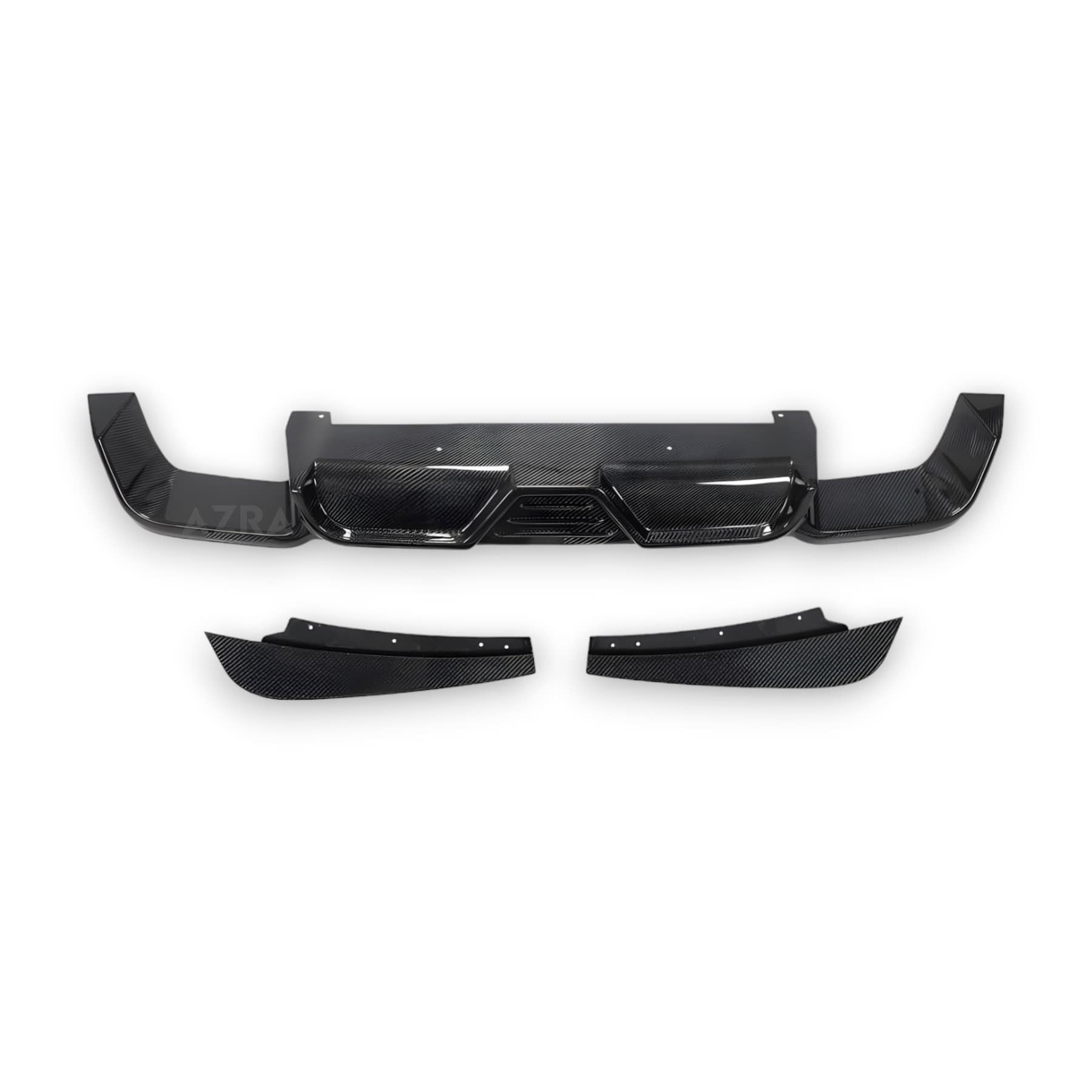
The visual appeal of carbon fibre also matters significantly. The distinctive weave pattern and glossy finish create a premium aesthetic that complements BMW’s sporty design language. Many owners install carbon fibre components on hoods, spoilers, diffusers, side mirrors, and interior trim to achieve a race-inspired look.
Understanding Wet Carbon Fibre
Wet carbon fibre, also called wet layup carbon fibre, represents the traditional and more common method of carbon fibre manufacturing. This process involves placing carbon fibre sheets into a mould and saturating them with liquid resin. The resin is then allowed to cure, bonding the fibres together into a solid panel.
The wet carbon process offers several advantages. Manufacturing costs remain lower because the process requires less specialised equipment and fewer labour hours. This cost efficiency makes wet carbon fibre parts accessible to a broader range of BMW owners. You can find wet carbon fibre components at prices significantly below dry carbon alternatives.
Wet carbon fibre parts still deliver genuine performance benefits. They provide meaningful weight reduction compared to factory steel or aluminium components. The visual finish achieves a high-gloss appearance that satisfies most owners seeking aesthetic upgrades. For daily driving and moderate performance use, wet carbon fibre performs reliably.
However, wet carbon fibre has limitations. The resin saturation process creates a thicker, heavier final product. Wet carbon parts typically contain more resin relative to fibre content, which reduces their strength-to-weight ratio compared to dry carbon. The finish may also show slight inconsistencies in the weave pattern due to uneven resin distribution.
Understanding Dry Carbon Fibre
Dry carbon fibre, often referred to as prepreg carbon fibre, represents the advanced end of carbon fibre manufacturing. This process uses carbon fibre sheets that are pre-saturated with resin before reaching the production stage. The dry sheets are placed in a mould, then subjected to high heat and pressure in an autoclave. This controlled environment forces out excess resin and creates a denser, more uniform final product.
The dry carbon process delivers superior performance characteristics. Dry carbon parts contain a higher fibre-to-resin ratio, which means more strength with less weight. These components can be 20 to 30 percent lighter than comparable wet carbon parts. For serious BMW enthusiasts who track their vehicles or prioritise maximum performance, this weight savings becomes critical.
Dry carbon fibre also achieves exceptional consistency in finish. The autoclave process creates a uniform weave pattern with perfect clarity. The result is a premium appearance that luxury and performance buyers recognise immediately. Many high-end BMW models come factory-equipped with dry carbon fibre components, setting an expectation for aftermarket upgrades.
The limitations of dry carbon fibre centre on cost and availability. Autoclave manufacturing requires expensive equipment and controlled facilities. This investment drives up production costs significantly. Dry carbon fibre BMW parts often cost two to three times more than wet carbon equivalents. Finding quality dry carbon components also requires more research, as fewer manufacturers offer them.
Performance Comparison: Dry vs Wet Carbon
When evaluating performance differences, dry carbon fibre clearly outperforms wet carbon in weight reduction. A dry carbon hood might weigh 8 kilograms while a wet carbon version of the same size reaches 11 kilograms. This 3 kilogram difference per component accumulates across multiple upgrades.
Strength also favours dry carbon. The higher fibre density and lower resin content create panels that resist flexing and deformation under stress. For BMW owners who push their vehicles during spirited driving or track sessions, dry carbon maintains integrity better than wet alternatives.
However, wet carbon fibre remains sufficient for most everyday driving scenarios. The weight savings difference matters primarily when you demand peak performance. For normal street driving, wet carbon delivers noticeable improvements over factory parts without the premium price tag.
Cost Considerations for BMW Owners
The price gap between dry and wet carbon fibre represents the most significant decision factor for many buyers. A wet carbon fibre rear spoiler for a BMW 3 Series might cost $400 to $600. The equivalent dry carbon part could range from $1,200 to $1,800.
This cost difference becomes substantial when upgrading multiple components. A full set of BMW carbon fibre exterior pieces, including hood, spoilers, diffusers, and mirror caps, could cost $2,000 to $3,000 in wet carbon but $6,000 to $9,000 in dry carbon.
Budget-conscious owners should consider wet carbon fibre as a practical entry point. The performance gains remain real, and the visual transformation is striking. You can upgrade several areas of your BMW without straining your finances.
Which Option Fits Your Needs
Your choice between dry and wet carbon fibre depends on your driving habits, performance goals, and budget. Serious track drivers and performance enthusiasts benefit most from dry carbon fibre. The weight reduction bolsters acceleration and handling in ways that matter during competitive driving. The superior strength handles high-stress situations better.
Daily drivers and weekend cruisers find that wet carbon fibre delivers excellent value. The weight savings improve everyday driving noticeably. The aesthetic upgrade satisfies most owners seeking a sportier BMW appearance. The lower cost allows multiple upgrades within a reasonable budget.
If you plan to install BMW carbon fibre components across your vehicle’s exterior and interior, wet carbon lets you cover more areas without excessive spending. You achieve a comprehensive transformation that looks professional and performs well.
Installation and Longevity Considerations
Both dry and wet carbon fibre parts are installed using similar methods. Most aftermarket components include mounting hardware and instructions designed for DIY installation or professional fitting. The material itself does not affect installation complexity.
Longevity depends more on manufacturing quality than on the dry versus wet distinction. High-quality wet carbon parts from reputable manufacturers last indefinitely under normal conditions. Poorly made dry carbon parts can fail just as easily as wet carbon.
Choose established brands with proven track records. Look for products that include warranties and come from companies specialising in BMW accessories. This approach ensures you receive reliable components regardless of the carbon fibre type.
Final Recommendation for Australian BMW Owners
Australian BMW drivers face unique considerations, including climate conditions and availability. The hot Australian climate does not negatively impact either carbon fibre type when manufactured correctly. Both materials resist heat distortion and maintain stability.
For most Australian BMW owners, wet carbon fibre presents the smart choice. It delivers substantial performance and aesthetic benefits at a price point that makes multiple upgrades feasible. The quality available in the Australian market ensures reliable long-term performance.
Premium buyers who demand the absolute best should invest in dry carbon fibre. The superior weight savings and finish quality justify the cost for those pursuing maximum performance. Nevera Auto offers both wet and dry carbon fibre BMW components for Australian customers, allowing you to choose the option that matches your goals and budget. Their collection includes hoods, spoilers, diffusers, mirror caps, and interior trim designed specifically for BMW models.
The decision ultimately rests on your priorities. Wet carbon fibre provides outstanding value for the majority of owners. Dry carbon fibre delivers peak performance for those who demand excellence regardless of cost. Both options transform your BMW into a more aggressive, lightweight, and visually striking vehicle.