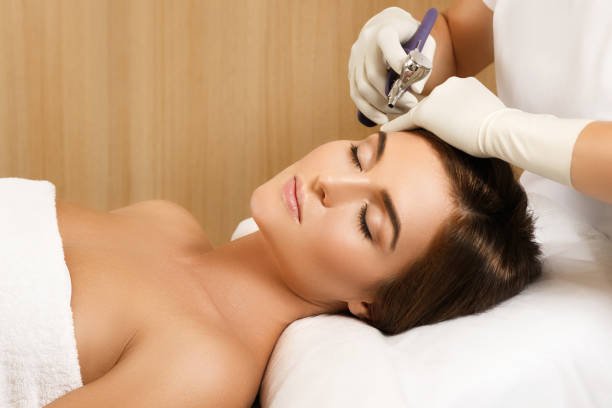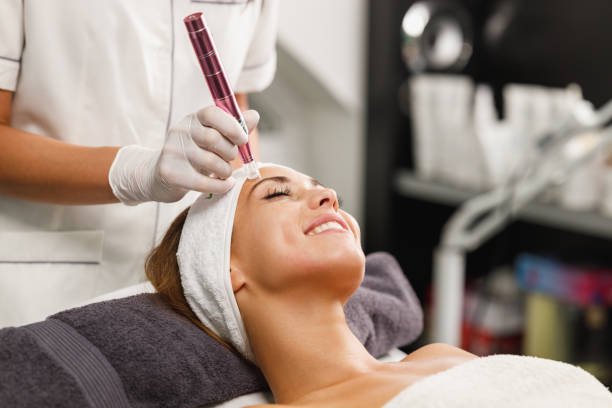
Acne can leave behind more than occasional breakouts. Even after the skin becomes clear, uneven texture, shallow depressions, enlarged-looking pores, and visible acne scars may remain. These changes can make the complexion appear less smooth, affecting overall skin confidence. Microneedling is a popular skin rejuvenation treatment designed to support the skin’s natural repair process and improve its surface appearance. For individuals exploring Microneedling Abu Dhabi, understanding how this treatment works, which texture concerns it can address, and what results to expect can help them make informed decisions about their skincare goals.
How Does Microneedling Work on Post-Acne Skin?
Microneedling is a minimally invasive cosmetic procedure that uses fine, sterile needles to create controlled microchannels in the skin. These tiny channels activate the body’s natural healing response, encouraging the production of collagen and elastin, two essential proteins that help maintain skin strength, flexibility, and structure.
When acne heals, the skin’s underlying support structure may become uneven, particularly when inflammation has affected deeper layers. This can result in depressions, rough patches, and irregular contours. Microneedling aims to improve these concerns by stimulating collagen production and supporting gradual tissue renewal.
As the skin produces new collagen, its surface may become smoother and more refined over time. However, the extent of improvement depends on the type of acne marks, the depth of scarring, individual skin characteristics, and the treatment approach. Microneedling does not erase every acne scar, but it can be a useful option for improving certain types of post-acne texture.
Can Microneedling Reduce Acne Scars?
Microneedling can help improve the appearance of selected atrophic acne scars, which develop when the skin loses supporting tissue during the healing process. These scars often appear as small depressions or uneven areas across the cheeks, temples, and other parts of the face.
Rolling scars, which create a gently wavy appearance, may respond well because collagen stimulation can gradually improve the skin’s underlying structure. Some shallow boxcar scars, which have more defined edges, may also become less noticeable as the surrounding tissue develops a more even appearance.
Deep, narrow ice pick scars are generally more challenging to treat with microneedling alone because they extend further into the skin. In such cases, a qualified skincare professional may recommend a different treatment or a combination approach based on the scar pattern.
It is important to distinguish between depressed acne scars and temporary marks left after a breakout. Microneedling primarily targets textural irregularities rather than removing every type of discoloration. Identifying the specific concern helps establish realistic expectations for improvement.
Does Microneedling Improve Rough Skin Texture?
Uneven skin texture can persist long after active acne has disappeared. The complexion may feel rough, appear irregular under natural light, or show small variations in the skin’s surface. Microneedling can help address some of these concerns by encouraging collagen remodeling and supporting the development of healthier-looking skin.
As the skin gradually renews itself, rough areas may appear softer, and transitions between scarred and unaffected skin can become less noticeable. The overall complexion may also look more uniform, particularly when shallow scarring contributes to an uneven surface.
Although microneedling can refine texture, results develop progressively rather than immediately. The skin needs time to complete its natural repair processes, and meaningful changes may require several treatment sessions. The number of sessions depends on the severity of the texture concerns and how the skin responds.
Microneedling should also be understood as a treatment for suitable skin concerns rather than a universal solution for every irregularity. A professional assessment can help determine whether the texture is primarily related to scarring, enlarged pores, active acne, or another skin condition.
How Does Collagen Production Help Restore Skin Smoothness?
Collagen provides structural support beneath the skin’s surface. When acne-related inflammation damages this support system, certain areas may heal with less tissue than others, creating visible indentations. Microneedling encourages a controlled healing response that can stimulate new collagen formation in the treated area.
Elastin also plays an important role in skin flexibility, helping the skin maintain its natural resilience. Together, collagen and elastin contribute to a firmer, more even-looking complexion.
Collagen remodeling takes time. After treatment, the skin begins its repair process, but the visible benefits continue to develop over the following weeks and months. Gradual changes may include softer-looking scars, improved surface uniformity, and a more refined overall appearance.
The degree of improvement varies between individuals. Scar depth, skin condition, age, healing capacity, and treatment consistency can all influence the final outcome. Understanding these factors helps explain why two people receiving similar treatments may experience different results.
Is Microneedling Suitable for Every Type of Acne Mark?
Not all acne marks are the same, so treatment suitability depends on identifying the underlying concern. Depressed scars may benefit from collagen-stimulating treatments, while flat red or brown marks usually represent changes in pigmentation or visible blood vessels rather than missing skin tissue.
Microneedling may improve certain aspects of overall skin quality, but it is not specifically designed to remove every form of post-acne discoloration. Pigment-related concerns may require a different approach depending on their cause and the individual’s skin type.
Active, inflamed acne also needs careful consideration before microneedling is performed. Treating skin with ongoing breakouts may be inappropriate until the acne is adequately controlled. A qualified professional can assess the skin, distinguish between different types of marks, and recommend a suitable treatment plan.
This individualized approach helps ensure that treatment goals focus on the concerns most likely to respond. It also prevents unrealistic expectations about how much improvement a single procedure can achieve.
What Results Can You Expect After Microneedling?
Microneedling results are gradual because collagen formation and tissue remodeling occur over time. Immediately after a session, the skin may look temporarily different as it begins the healing process, but this initial appearance does not represent the final result.
Over the following weeks, improvements may become more noticeable as the skin continues to repair itself. With an appropriate treatment plan, some individuals experience smoother texture, softer-looking acne scars, and a more balanced complexion.
Multiple sessions are often recommended for established acne scarring because deeper textural changes typically require ongoing collagen remodeling. The interval between sessions allows the skin sufficient time to recover and respond before another treatment is considered.
Results are influenced by the depth and type of scars, the treatment settings, and individual healing patterns. Microneedling may significantly improve certain textural concerns, but complete scar removal cannot be guaranteed. A realistic goal is gradual refinement that makes uneven areas less prominent while preserving the skin’s natural appearance.
Final Thoughts
Microneedling can improve post-acne skin texture by stimulating collagen production and supporting the skin’s natural repair process. It may be particularly helpful for selected shallow acne scars, rolling scars, and general surface irregularities that remain after breakouts have healed. The treatment works gradually, with results developing over several weeks and potentially improving through a suitable series of sessions.
The most effective approach begins with understanding the type of acne marks present and determining whether microneedling matches the individual’s skin concerns. While it cannot remove every scar or guarantee perfectly smooth skin, it offers a potential way to achieve a more refined, even-looking complexion. Realistic expectations and an individualized treatment plan are essential for making informed decisions about post-acne skin rejuvenation.
FAQs
Does microneedling improve post-acne skin texture?
Yes, microneedling can improve certain textural irregularities by stimulating collagen production and supporting gradual skin remodeling.
How many microneedling sessions may be needed for acne scars?
Several sessions may be recommended, depending on scar depth, skin condition, treatment goals, and individual response.
Can microneedling remove deep acne scars completely?
Microneedling may improve some scars, but deep scars often respond less noticeably and may require alternative or combined treatments.
Does microneedling help with acne marks and discoloration?
It primarily targets skin texture and depressed scars. Flat red or brown marks may need treatments specifically suited to their underlying cause.
When can improvements in skin texture become visible?
Some improvements may appear over several weeks, while collagen remodeling and further refinement can continue for months.