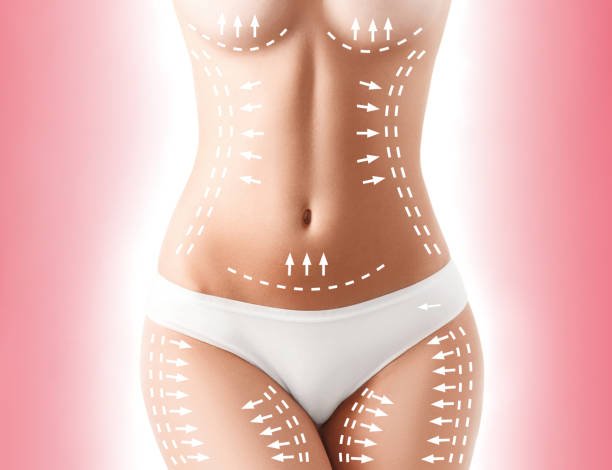
Changes in body weight, aging, pregnancy, and major weight loss can affect the appearance of the buttocks, particularly when excess or sagging skin develops around the lower torso. Loose tissue may extend from the lower back and waist toward the buttocks, making their natural shape less defined. For individuals considering Lower Body Lift in Abu Dhabi, an important question is whether the procedure can improve buttock shape. A lower body lift can address excess skin around the lower body and reposition tissues to create smoother transitions between the waist, hips, buttocks, and upper thighs, potentially making the natural contour of the buttocks more visible.
How Can a Lower Body Lift Affect Buttock Shape?
A lower body lift is primarily designed to remove excess skin and reshape the lower torso rather than directly add volume to the buttocks. When loose tissue surrounds the buttocks, removing excess skin and repositioning the remaining tissues can improve their overall appearance.
Sagging skin can obscure the natural outline of the buttocks and create an uneven transition between the lower back, hips, and upper thighs. By addressing this surrounding tissue, a lower body lift may create a smoother and more defined buttock contour.
The degree of improvement depends on the individual’s anatomy, the amount of excess skin, tissue distribution, and the specific contouring plan.
Why Do Buttocks Change After Major Weight Loss?
Significant weight loss can reduce the volume beneath the skin and leave stretched tissue behind. When this happens around the buttocks, the skin may become loose and hang downward.
The buttocks can also appear less defined because excess skin extends from the lower back and hips toward the upper thighs. This can make the natural shape difficult to see.
A lower body lift can address this excess tissue, particularly when loose skin affects multiple connected areas of the lower body.
Can It Lift Sagging Buttock Skin?
A lower body lift can improve the position and appearance of sagging skin around the buttocks by removing excess tissue and repositioning the remaining skin. This can create a smoother transition between the lower back, buttocks, and thighs.
The procedure is especially relevant when sagging is associated with significant skin laxity rather than simply a lack of volume. Removing excess tissue can reveal more of the person’s natural buttock contour.
The amount of visible lifting varies according to the individual’s anatomy and the degree of skin laxity.
Does It Add Volume to the Buttocks?
A lower body lift is not primarily a volume-enhancing procedure. Its main purpose is to remove excess skin and improve the position and contour of existing tissues.
For people whose main concern is sagging skin, this approach can make the buttocks appear more defined without necessarily adding volume. The resulting shape remains influenced by the person’s natural muscle and tissue structure.
Understanding this distinction is important when considering whether a lower body lift matches a specific buttock-contouring goal.
How Does the Waist Affect Buttock Appearance?
The buttocks are visually connected to the waist and hips. Excess skin around the waist can blur this transition and make the buttocks appear less distinct.
By reducing loose tissue around the lower torso, a lower body lift may create a clearer separation between the waist, hips, and buttocks. This can enhance the appearance of the existing buttock shape.
The effect is based on improving surrounding contours rather than changing the underlying skeletal structure.
Can It Improve the Transition to the Upper Thighs?
The upper thighs are another important part of the buttock contour. Excess skin can hang downward from the buttocks toward the thighs, creating folds and making the transition between the two areas less defined.
A lower body lift can address this connected tissue when appropriate. Smoothing excess skin around the upper thighs can help create a more continuous lower-body silhouette.
The precise areas treated depend on where the excess skin is located and how it affects the overall contour.
Is It Suitable After Massive Weight Loss?
People who have experienced substantial weight loss may be particularly interested in lower body contouring. After major weight reduction, the skin may remain stretched around the abdomen, waist, hips, lower back, buttocks, and thighs.
When weight has stabilized but loose tissue remains, a lower body lift can address the excess skin directly. This can be useful when the buttock shape is being obscured by surrounding sagging tissue.
Stable weight is generally an important consideration because further major changes in body size can alter the amount and distribution of loose skin.
Can Exercise Improve Buttock Shape Instead?
Exercise can strengthen and develop the underlying muscles of the buttocks, which may influence overall shape. However, exercise cannot remove substantial amounts of excess skin.
A person can have strong gluteal muscles while still having loose tissue after major weight loss. In this situation, muscle development and skin removal address different aspects of body contour.
A lower body lift may therefore be considered when persistent sagging skin, rather than muscle development, is the primary concern.
What Determines the Final Buttock Contour?
Several factors influence how the buttocks appear after lower body contouring. Natural anatomy, muscle structure, skin elasticity, the amount of excess tissue, and the distribution of remaining skin all contribute to the final result.
The starting shape is also important. A lower body lift does not create identical contours for every person because the procedure is adapted to the individual’s body structure.
The goal is generally to create a smoother and more proportionate appearance while preserving the person’s natural characteristics.
Can the Results Look Natural?
A lower body lift can be planned to improve the buttock contour without making it appear artificially shaped. By addressing excess skin around the lower torso and upper thighs, the procedure can enhance the natural relationship between the buttocks and surrounding areas.
Natural asymmetry is normal, so the two sides may not appear perfectly identical. The final appearance also depends on individual healing and tissue characteristics.
A balanced approach can help the buttocks blend naturally with the waist, hips, and thighs.
How Does the Shape Develop During Recovery?
The appearance of the buttocks changes gradually during recovery. The early contour may not represent the final shape because the treated tissues need time to heal and settle.
As recovery progresses, the relationship between the lower back, waist, hips, buttocks, and thighs becomes clearer. Individual healing can influence how quickly the final contour develops.
Allowing adequate recovery time and following postoperative guidance are important parts of achieving the intended result.
Can the Improved Buttock Shape Last?
A lower body lift can provide long-lasting contour improvement because the excess skin that is removed does not simply return in its previous form. However, the remaining tissues continue to change naturally.
Significant weight gain or loss can affect the lower-body contour, while aging can gradually alter skin firmness and tissue position. Maintaining a relatively stable weight can help preserve the improved shape over time.
The procedure should therefore be considered a long-term contouring approach rather than a permanent freeze of the body’s natural appearance.
Why Individual Assessment Matters
Buttock concerns vary widely. Some people primarily have excess skin after weight loss, while others may be more concerned with volume, muscle development, or natural body proportions.
A personalized assessment can determine whether a lower body lift is appropriate for the specific concern. When excess skin around the lower torso is the main issue, addressing the surrounding tissue may significantly improve the visibility and balance of the buttock contour.
Clear expectations are important because a lower body lift is designed primarily for skin removal and contour refinement.
Final Thoughts
A lower body lift can help improve buttock shape when sagging or excess skin around the lower back, waist, hips, buttocks, and upper thighs obscures the natural contour. By removing excess tissue and repositioning the remaining skin, the procedure can create smoother transitions and a more defined lower-body silhouette.
It is important to understand that a lower body lift primarily addresses excess skin rather than directly adding buttock volume. The final appearance depends on natural anatomy, tissue distribution, skin quality, weight stability, and individual healing. For people with substantial post-weight-loss skin laxity, the procedure may offer a comprehensive way to refine the buttock area while maintaining natural proportions.
FAQs
Can a lower body lift improve buttock shape?
Yes, it can improve the appearance of the buttocks by reducing surrounding excess skin and reshaping the lower-body contour.
Does it add buttock volume?
A lower body lift primarily removes excess skin rather than directly adding significant volume to the buttocks.
Can it lift sagging buttock skin?
It can improve the position and appearance of sagging skin around the buttocks as part of lower-body contouring.
Is it useful after weight loss?
Yes, it may be particularly relevant when major weight loss leaves substantial loose skin around the lower body.
Are the results long-lasting?
The contour improvement can be long-lasting, although future weight changes and natural aging can affect buttock shape over time.