A smoother-looking complexion can help skin appear brighter, more even, and refreshed. Laser Carbon Peel in Abu Dhabi is a cosmetic treatment that combines a carbon-based layer with laser energy to exfoliate the skin’s surface and address concerns such as rough texture, visible pores, and excess oil. Its results vary from person to person, but many people consider it when they want a treatment that can help skin feel softer and look more polished.
What Is a Laser Carbon Peel?
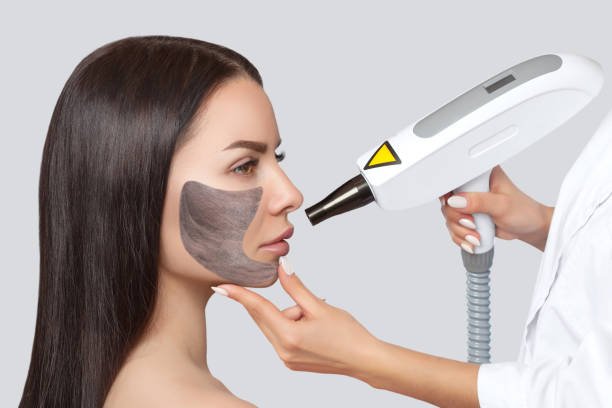
A laser carbon peel is a non-invasive skin treatment. A thin layer of carbon is applied to the skin, where it settles over the surface and into the openings of pores. A laser is then passed over the treated area. The laser energy interacts with the carbon, helping lift away surface debris and dead skin cells.
The treatment is sometimes called a carbon laser facial or a Hollywood peel. It is generally performed on the face, though the area and approach depend on an individual’s skin and treatment goals. Its purpose is to improve the appearance of the skin rather than change its underlying structure.
How Can It Improve Skin Smoothness?
Skin can feel uneven when dead cells, oil, and everyday buildup collect on its surface. By helping remove some of this material, a carbon peel may leave the skin feeling cleaner and softer. The laser’s action can also encourage a fresher-looking surface, which may make mild roughness less noticeable.
People may notice improvements such as:
- A softer feel to the skin
- A more refined-looking texture
- Less visible surface dullness
- A cleaner appearance around pores
- A more even-looking complexion
These changes are usually subtle. The treatment is not designed to erase deep scars, pronounced wrinkles, or significant texture irregularities in one session. A qualified professional can assess whether the treatment suits the person’s specific concerns.
What Happens During the Treatment?
The skin is cleansed before a thin carbon layer is applied. The carbon is left in place for a short period so it can settle on the skin’s surface. A laser is then moved across the area in controlled passes, interacting with the carbon and helping remove it along with some surface impurities.
The session is typically brief, although timing can vary according to the area being treated and the individual plan. People may experience warmth or a light snapping sensation during the laser passes. The treatment process should be explained beforehand, including what the person can expect during and immediately after the session.
Who May Consider a Carbon Peel?
A carbon peel may be considered by people who want to address mild roughness, a dull appearance, or pores that look prominent. It may also appeal to those whose skin tends to look oily or congested. Suitability depends on skin type, sensitivity, existing skin conditions, and the person’s goals.
A professional assessment is useful before treatment. It allows the practitioner to review the person’s skin, discuss expectations, and decide whether a carbon peel is an appropriate option. Some skin concerns may respond better to a different approach, so the treatment should not be viewed as a universal solution.
What Results Can Be Expected?
Some people notice that their skin feels smoother or looks brighter soon after treatment. The visible effect can vary, and one session may produce a modest change rather than a dramatic transformation. Skin texture also changes naturally over time, so results are not necessarily permanent.
A series of sessions may be suggested when the goal is to support a more consistent improvement. The number and timing depend on the individual and the professional’s assessment. Progress should be reviewed realistically, with attention to how the skin responds rather than relying on a guaranteed outcome.
What Influences the Outcome?
Several factors can affect how much smoother the skin appears after a carbon peel. These include the starting condition of the skin, the concern being targeted, the treatment settings, and the person’s response to the procedure. The experience and assessment of the practitioner also matter.
Expectations play an important role. A carbon peel may help refine mild surface texture, but it is not equivalent to treatments intended for deeper skin changes. Clear communication before a session can help a person understand what improvements are realistic and whether additional options should be discussed.
Frequently Asked Questions
Does a carbon peel make skin smooth after one session?
Some people notice a softer feel or a fresher appearance after one session, but the effect may be mild. Skin concerns and individual responses differ, so one session cannot guarantee a particular result.
How long can the smoother appearance last?
The duration varies from person to person. Natural skin renewal, daily habits, and the original concern can all influence how long the appearance lasts. A professional can discuss a suitable treatment schedule based on the person’s response.
Can it help with visible pores?
A carbon peel may make pores look cleaner or less noticeable by helping remove surface buildup. It does not permanently change pore size, and the degree of visible improvement varies.
Is it suitable for every skin type?
Not necessarily. Skin tone, sensitivity, current conditions, and treatment history should be considered before proceeding. An individual assessment helps determine whether the procedure is appropriate.
Does the treatment replace other skin treatments?
A carbon peel addresses particular surface concerns, so it may not replace other treatments intended for deeper texture changes or different skin goals. A professional can explain how it compares with suitable alternatives without promising identical results.
A Realistic View of Skin Smoothness
Laser carbon peeling may help skin feel softer and look more refreshed by addressing surface buildup and mild textural unevenness. The improvement is generally gradual or subtle, and results depend on the individual. For anyone considering Laser Carbon Peel in Abu Dhabi, a clear assessment and realistic expectations can help determine whether the treatment aligns with their skin goals.