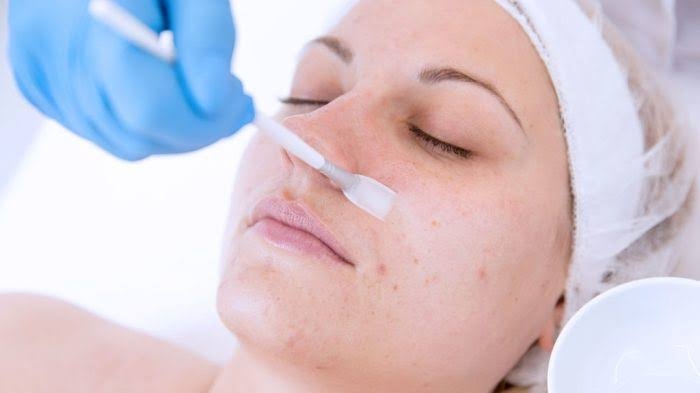
Skin texture is a cornerstone of overall facial aesthetics, and many individuals find themselves searching for ways to refine the appearance of their complexion. When the skin’s surface appears irregular or pitted, it often stems from enlarged pores. Addressing these concerns through professional Large Pores Treatment in Abu Dhabi can be a transformative step toward achieving smoother, more refined skin texture. While the quest for “perfect” skin is common, understanding the biological reality of pores is the first step toward effective management.
- Pores are essential openings for hair follicles and oil glands.
- The appearance of pores is influenced by genetics, skin type, and age.
- Professional treatments aim to minimize the visual impact of enlarged pores by improving skin elasticity and clearing congestion.
The Biology of Pores: Why They Enlarge
To understand how to manage pore size, one must first understand what a pore actually is. Pores are the visible openings of hair follicles that house sebaceous glands. These glands produce sebum—the skin’s natural oil—which travels up the hair follicle to the surface to lubricate and protect the skin. When pores become enlarged, it is typically due to a combination of excess oil production, a loss of skin elasticity, or the accumulation of debris.
- Excess sebum production often leads to stretched pores as the oil sits within the follicle.
- Dead skin cells can mix with oil to create plugs, further distending the pore.
- Collagen depletion as we age causes the supporting structure around the pore to weaken, making the opening appear larger.
The Relationship Between Pores and Uneven Skin
Many individuals notice that their skin texture feels bumpy or irregular alongside visible pores. This is not a coincidence. Large pores create a landscape on the skin that is physically uneven, but the underlying causes—such as inflammation, sun damage, and sluggish cell turnover—also contribute to an uneven skin tone. By addressing the health of the skin barrier and the integrity of the dermis, treatments can smooth out the surface significantly.
- Pores act as “valleys” in the skin’s topography, contributing to a lack of smoothness.
- Chronic inflammation, often associated with clogged pores, leads to post-inflammatory hyperpigmentation.
- Refining the pore structure improves the light-reflecting quality of the skin, leading to a more uniform appearance.
Professional Approaches to Skin Refinement
When topical home remedies are insufficient, professional aesthetic procedures focus on two main pillars: resurfacing the top layer of the skin and tightening the deep dermal structure. By encouraging the body’s natural healing response, these treatments improve the structural integrity of the skin, which naturally causes pores to contract and appear less noticeable.
Chemical Peels and Exfoliating Treatments
Chemical peels involve the application of a solution that removes the damaged outer layers of the skin. By promoting rapid cell turnover, these treatments prevent the buildup of debris within the pores and stimulate the production of new, smoother skin.
- Helps dislodge stubborn clogs within the follicles.
- Encourages the growth of fresh skin cells with better structural integrity.
- Gradually smooths out the surface texture, reducing the “orange peel” effect.
Laser Resurfacing Technology
Laser treatments use focused light energy to penetrate deeper into the dermis. This energy triggers a controlled thermal response, prompting the skin to produce new collagen and elastin. As the skin repairs itself, the structural support around the pore strengthens, pulling it tighter.
- Targeted energy reaches deep layers where structural support is needed.
- Triggers a “remodeling” phase where old, damaged collagen is replaced.
- Effective for both pore size reduction and overall skin tightening.
Microneedling Procedures
Microneedling creates thousands of microscopic channels in the skin using tiny needles. This process forces the skin to enter a repair mode, significantly increasing collagen and elastin production. It is a highly effective way to improve overall skin density and reduce the prominence of surface irregularities.
- Simulates the skin’s natural wound-healing mechanism.
- Increases the thickness of the dermal layer, providing better support for pores.
- Results in a more uniform skin texture over a series of sessions.
Lifestyle Factors That Influence Pore Appearance
While professional treatments lay the foundation for improvement, the longevity of these results is heavily dependent on daily habits. Maintaining a consistent skincare regimen and protecting the skin from environmental stressors are vital for keeping pores clear and the surrounding skin firm.
- Daily sun protection is critical, as UV rays break down collagen and elastin, leading to permanent pore sagging.
- A consistent cleansing routine ensures that oil and pollutants do not settle and stretch the pores.
- Hydration is key; dehydrated skin often produces more oil to compensate, which can lead to larger-looking pores.
Long-Term Maintenance and Expectation Management
Achieving refined skin is a journey rather than a one-time event. Because pores are a permanent part of our anatomy, the goal is not to eliminate them but to optimize their appearance. Consistency is the primary factor in ensuring that the results achieved through professional intervention last over time.
- Develop a long-term maintenance plan that includes regular check-ins with skin specialists.
- Understand that skin texture changes over time, and periodic “booster” treatments may be necessary.
- Patience is essential, as the production of new collagen and the improvement of skin texture take several weeks to manifest.
Frequently Asked Questions
Can pores actually be closed permanently?
No, pores cannot be physically closed because they are necessary openings for hair follicles and oil glands. However, they can be made to look significantly smaller and less noticeable through treatments that improve the surrounding skin’s firmness and keep the follicles clear of debris.
How do I know if my skin texture is caused by pores?
If your skin has a pitted, pebbled, or “orange peel” appearance, it is likely that enlarged pores are contributing to the texture. Examining the skin under bright light can help differentiate between pore-related texture and other issues like dryness or acne scarring.
Does diet impact the appearance of pores?
Yes, a balanced diet supports skin health. Diets high in processed sugars and inflammatory foods can impact oil production and collagen health. Drinking adequate water and consuming antioxidants can help maintain the skin’s structural integrity.
Is it possible to see results after just one treatment?
While some treatments may provide an immediate “glow” due to surface exfoliation, significant structural changes, such as collagen remodeling, typically require a series of sessions spaced out over several months.
Can skincare products alone fix large pores?
Skincare products containing retinoids, niacinamide, or chemical exfoliants (like AHAs/BHAs) can definitely help manage pore size by preventing clogs and boosting cell turnover. However, they work best when used as part of a comprehensive strategy that may include professional treatments.
What is the most important factor for maintaining smooth skin?
Sun protection is the single most important factor. UV radiation destroys the collagen and elastin fibers that keep the skin firm; when these fibers degrade, the tissue surrounding the pores loses its support, causing the pores to look larger and the skin texture to appear more uneven.