
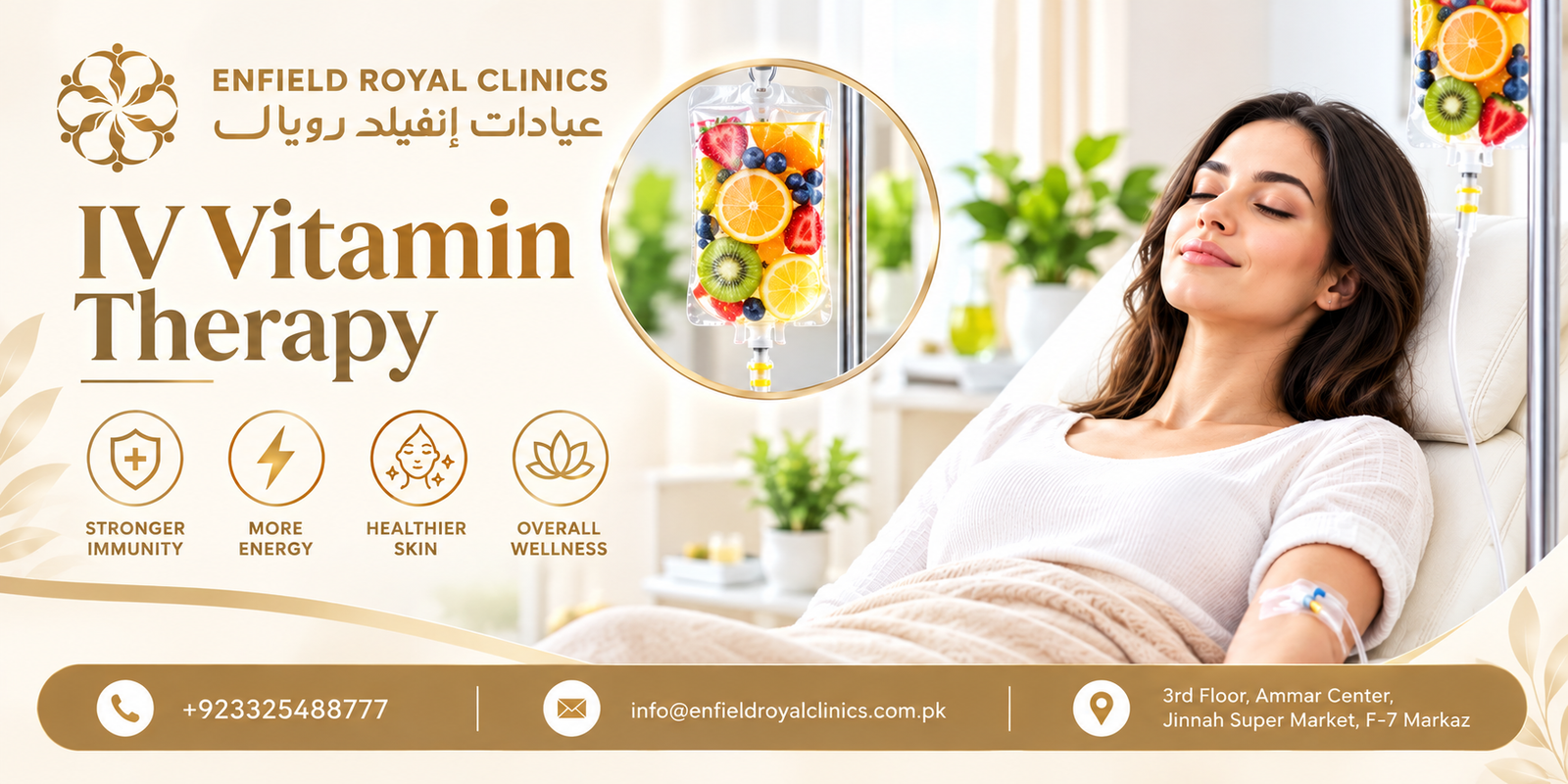
Healthy skin depends on several factors, including adequate nutrition, hydration, sleep, sun protection, skincare habits, and overall health. Vitamins and minerals play important roles in maintaining normal skin function, which is why nutritional support can sometimes be part of a broader approach to skin wellness. IV vitamin therapy in Islamabad has gained attention among people interested in delivering selected nutrients and fluids directly into the bloodstream.
IV vitamin therapy may support skin health when a person has a nutritional deficiency or another medical reason for intravenous supplementation. However, it should not be viewed as a guaranteed cosmetic treatment or a replacement for a balanced diet and appropriate skincare. The effects can vary depending on the nutrients used and the individual’s health status.
How Does IV Vitamin Therapy Relate to Skin Health?
The skin requires a range of nutrients to maintain its normal structure and function. Vitamins and minerals are involved in collagen production, antioxidant protection, tissue repair, and other biological processes.
IV therapy delivers selected nutrients through an intravenous line, allowing them to enter the bloodstream without passing through the digestive system. This approach can be useful in certain medical circumstances, particularly when oral intake or absorption is limited.
For people with adequate nutritional levels, however, receiving additional vitamins does not necessarily result in healthier or more attractive skin. The potential benefits should therefore be considered in the context of the individual’s nutritional and medical needs.
Which Nutrients May Support Healthy Skin?
Several vitamins and minerals contribute to normal skin function. The specific ingredients used in IV therapy depend on the treatment purpose and individual assessment.
Vitamin C and Collagen Support
Vitamin C plays an important role in collagen formation. Collagen is a structural protein that helps provide strength and support to the skin and other connective tissues.
Vitamin C also contributes to antioxidant protection, helping the body manage oxidative stress. A deficiency can affect normal tissue health and wound healing.
However, high-dose intravenous vitamin C is not appropriate for everyone. Its use should be based on medical considerations rather than the assumption that larger amounts will automatically produce better skin.
B Vitamins
B vitamins contribute to energy metabolism and various cellular processes. Some B vitamins also play roles in maintaining normal skin and nervous system function.
When a person has a documented deficiency, correcting it may support overall health and normal body functions. IV supplementation may be considered in selected cases when intravenous administration is appropriate.
Other Minerals
Minerals such as magnesium and zinc are involved in numerous biological processes. Zinc, for example, contributes to normal immune function and tissue maintenance.
The need for these nutrients varies between individuals. Supplementation should be guided by nutritional needs rather than used unnecessarily.
Can IV Vitamin Therapy Improve Skin Appearance?
People interested in IV vitamin therapy in Islamabad may wonder whether the treatment can make the skin look brighter, smoother, or more youthful.
If poor nutrition or dehydration is contributing to an individual’s overall appearance, addressing those issues may support healthier-looking skin. Adequate hydration can also help the body maintain normal physiological functions.
However, there is limited evidence that routine vitamin infusions provide dramatic cosmetic improvements in otherwise healthy people with adequate nutrient levels.
Skin appearance is influenced by many factors, including genetics, age, sun exposure, hormonal changes, sleep, stress, skincare, and underlying health conditions. An IV infusion cannot address all of these factors.
For visible concerns such as pigmentation, acne, scars, wrinkles, or significant skin laxity, condition-specific dermatological treatments may be more appropriate.
How Can Hydration Affect Skin Wellness?
Adequate hydration is important for normal body function, and dehydration can affect how a person feels and performs physically. Maintaining sufficient fluid intake also supports the body’s normal physiological processes.
IV fluids can provide hydration directly into the bloodstream when intravenous fluids are medically indicated. However, IV hydration is not necessarily superior to drinking adequate fluids for healthy individuals who can hydrate normally.
People with mild dehydration can often maintain fluid balance through appropriate oral fluids and a balanced diet.
Therefore, the hydration component of IV therapy should be considered according to individual circumstances rather than as a guaranteed method for improving skin appearance.
When Might IV Vitamin Therapy Be Considered for Skin-Related Wellness?
IV therapy may be considered when a healthcare professional identifies a nutritional deficiency, difficulty absorbing nutrients, or another medical reason for intravenous supplementation.
Before treatment, the individual’s medical history, symptoms, medications, allergies, and nutritional status should be reviewed.
A professional assessment can help determine whether symptoms such as dry or dull-looking skin are related to nutrition or whether another cause should be investigated.
Persistent skin changes can sometimes be associated with environmental exposure, hormonal changes, dermatological conditions, medication effects, or other health concerns. Treating the underlying cause is generally more useful than simply adding vitamins.
What Can Individuals Do Alongside IV Vitamin Therapy?
Healthy skin requires consistent care. Even when IV therapy is medically appropriate, it should be considered one part of a broader approach to wellness.
Important habits include:
- Eating a balanced diet containing fruits, vegetables, proteins, healthy fats, and whole grains.
- Drinking sufficient fluids according to individual needs.
- Using broad-spectrum sunscreen regularly.
- Getting adequate and consistent sleep.
- Avoiding smoking and limiting other habits that can negatively affect skin health.
- Following a suitable skincare routine.
- Seeking professional evaluation for persistent or unusual skin changes.
These habits can provide foundational support for skin health and may be more important for long-term results than an occasional infusion.
Is IV Vitamin Therapy Safe for Skin Health?
IV therapy involves inserting a cannula into a vein, so it carries risks even when performed in a healthcare setting. Potential complications include bruising, pain, vein irritation, infection, allergic reactions, and side effects associated with specific nutrients.
Some individuals may require additional caution, particularly those with kidney or heart conditions, certain metabolic disorders, pregnancy, or medication-related concerns.
High doses of certain nutrients can also cause unwanted effects. For example, intravenous vitamin C may require special consideration in people with certain kidney problems or G6PD deficiency.
For these reasons, IV vitamin therapy should be administered only when considered appropriate following a professional assessment. The formulation, dosage, and infusion rate should be selected according to the individual’s circumstances.
Frequently Asked Questions (FAQs)
1. Can IV Vitamin Therapy Make Skin Look Better?
It may support skin health when a nutritional deficiency or dehydration is contributing to overall wellness. However, there is no guarantee of a visible cosmetic improvement, particularly when nutrient levels are already adequate.
2. Which Vitamin Is Important for Healthy Skin?
Several nutrients contribute to normal skin function. Vitamin C is particularly important for collagen formation, while other vitamins and minerals support cellular, immune, and tissue functions.
3. Is IV Vitamin Therapy a Treatment for Skin Problems?
IV vitamin therapy is not a universal treatment for conditions such as acne, pigmentation, wrinkles, or scars. These concerns may require specific evaluation and condition-focused treatment.
4. Can Everyone Receive IV Vitamin Therapy for Skin Wellness?
No. Suitability depends on medical history, medications, allergies, nutritional status, and the ingredients being considered. A healthcare professional should determine whether intravenous supplementation is appropriate.
For more information visit Enfield royal clinic in islamabad