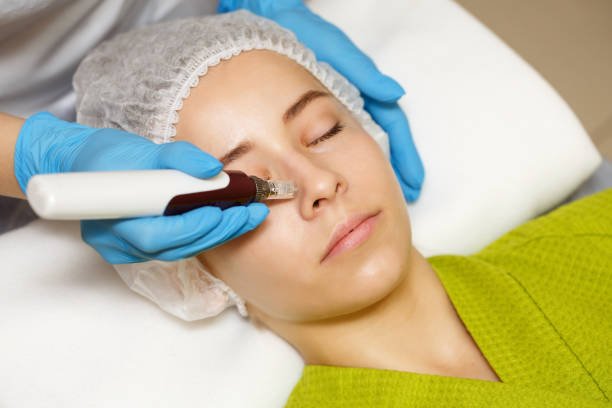
A heavy brow appearance can develop when the eyebrows sit lower, forehead tissues become less firm, or changes in the upper face make the area around the eyes appear visually heavier. These changes may become more noticeable with age, although facial structure can also influence natural brow position. For individuals considering Forehead Lift in Abu Dhabi, understanding how a forehead lift may address brow heaviness can help explain its role in creating a more balanced and refreshed upper facial appearance.
Understanding a Heavy Brow Appearance
A heavy brow appearance refers to a visual impression in which the forehead and eyebrow region appears dense, low, or weighted toward the eyes. It may be associated with eyebrow descent, forehead skin laxity, changes in supporting tissues, or naturally lower-set eyebrows.
Because the eyebrows frame the eyes, even a relatively small change in their position can influence the appearance of the entire upper face. A lower brow can make the eyes seem less open and may create a more tired or serious facial expression.
The underlying cause of brow heaviness is important because different structural characteristics can contribute to the same visible concern.
How Aging Can Create Brow Heaviness
As the face ages, the skin gradually loses some of its elasticity, while the tissues supporting the forehead and eyebrows can change position. These changes may cause the eyebrows to descend and the forehead to appear less firm.
The combination can create a heavier appearance across the upper face. Forehead lines may also become more pronounced, adding to the perception of aging or heaviness.
When tissue descent is a major contributor, addressing the forehead and brow structures may influence the overall appearance more effectively than focusing only on surface skin.
What Is a Forehead Lift?
A forehead lift is an aesthetic procedure designed to improve the position and contour of tissues in the forehead and eyebrow region. Depending on individual anatomy and the chosen approach, selected tissues may be repositioned to create greater support and a more harmonious upper facial contour.
The procedure is not simply about pulling the skin upward. The underlying tissue position has an important influence on the location and shape of the eyebrows.
By addressing these tissues, a forehead lift can potentially improve the relationship between the forehead, eyebrows, and eyes.
Can a Forehead Lift Reduce Brow Heaviness?
A forehead lift may reduce the appearance of a heavy brow when the heaviness is related to brow descent or changes in the forehead tissues. Repositioning the brow and supporting tissues can create a more balanced upper facial contour.
The goal is not necessarily to create a dramatically elevated eyebrow. Instead, appropriate repositioning can help restore proportions between the forehead and eyes.
The degree of improvement depends on the amount of tissue descent, skin elasticity, eyebrow position, facial structure, and other individual characteristics.
The Connection Between Brow Position and the Eyes
The eyebrows strongly influence how the eyes appear. When the brows sit lower, the space between the eyebrow and upper eyelid may appear reduced, creating a more crowded or heavy visual effect.
Improving brow position can alter this relationship and make the upper eye area appear more balanced. The effect comes from changing the surrounding framework of the eyes rather than simply changing the eyes themselves.
For this reason, a forehead lift can contribute to upper facial rejuvenation when brow descent is an important part of the heavy appearance.
Forehead Skin Laxity and a Heavy Brow
Loose forehead skin can contribute to the impression of heaviness. As skin elasticity decreases, the forehead may become less defined and appear more relaxed.
A forehead lift can address this concern by repositioning selected tissues and improving their support. The forehead may consequently appear smoother and more structured.
However, natural-looking rejuvenation does not require eliminating every trace of skin texture. Maintaining appropriate facial proportions is an important part of creating a balanced appearance.
Can a Forehead Lift Create a Natural Brow Position?
A natural brow position depends on the individual’s facial anatomy. Forehead height, eyebrow shape, eye position, facial proportions, and existing asymmetry all influence what looks harmonious.
A forehead lift can be planned around these characteristics rather than aiming for a predetermined eyebrow height. A subtle adjustment may be more appropriate for one person, while another may have more noticeable tissue descent.
The objective is generally to reduce the appearance of heaviness while maintaining the person’s recognizable facial features and natural expression.
The Importance of Individual Facial Anatomy
Not every heavy brow appearance has the same cause. Some people naturally have lower-set eyebrows because of inherited facial structure, while others develop brow descent as part of aging.
Underlying bone structure, forehead proportions, skin characteristics, and tissue distribution can all influence the position of the eyebrows. A forehead lift primarily affects soft-tissue position and therefore cannot completely change every structural factor.
Understanding these distinctions helps establish realistic expectations about how much a forehead lift may alter the appearance of a heavy brow.
Can It Improve Brow Asymmetry?
The eyebrows may naturally sit at slightly different heights, and age-related changes can sometimes make this difference more noticeable. When soft-tissue descent contributes to the asymmetry, a forehead lift may help create greater balance.
However, perfect symmetry is not always achievable because underlying facial structures may differ between the two sides. Natural facial asymmetry is also a normal part of individual appearance.
The objective is generally improved harmony rather than identical eyebrow placement.
Preserving Facial Expression
The eyebrows and forehead play an important role in facial communication. They move during everyday expressions and contribute to the unique character of the face.
A natural-looking approach to brow rejuvenation should therefore consider facial movement as well as position. The aim is to reduce the visual heaviness while preserving an appropriate range of expression.
A balanced brow can make the upper face look refreshed without creating a noticeably altered or overly elevated appearance.
Forehead Lift and Upper-Face Rejuvenation
When brow heaviness is caused by age-related tissue descent, improving the forehead and eyebrow position can influence the overall appearance of the upper face.
The forehead may look more supported, the eyebrows may appear better positioned, and the eyes may seem more clearly framed. These changes can work together to create a more cohesive appearance.
The extent of rejuvenation depends on how strongly the heavy brow contributes to the individual’s overall facial concerns.
What Determines the Potential Improvement?
The degree of improvement depends on several factors, including the starting position of the eyebrows, amount of forehead laxity, tissue descent, skin elasticity, facial proportions, and the underlying reason for the heavy appearance.
A person whose brow heaviness is primarily caused by soft-tissue descent may experience a different result from someone whose appearance is mainly determined by inherited facial structure.
Understanding the specific characteristics of the upper face is therefore important when considering how a forehead lift may influence brow heaviness.
Setting Realistic Expectations
A forehead lift can improve a heavy brow appearance, but it should not be viewed as a method for completely changing the structure of the upper face. The most natural results generally involve proportionate changes that complement existing features.
Some signs of aging may remain, and the eyebrows will continue to change naturally over time as the face ages.
The purpose is to improve the current appearance of heaviness and create greater harmony between the forehead, eyebrows, and eyes.
Final Thoughts
A forehead lift can help with a heavy brow appearance when brow descent, forehead laxity, or changes in upper facial tissue position contribute to the concern. By repositioning selected tissues, the procedure may create a more balanced relationship between the forehead, eyebrows, and eyes.
The degree of improvement depends on individual anatomy, skin characteristics, eyebrow position, facial proportions, and the underlying cause of brow heaviness. Natural facial asymmetry and inherited features also play an important role in determining the appearance of the upper face.
Ultimately, the goal is not simply to raise the eyebrows as high as possible. A well-balanced brow position should complement the forehead and eyes while preserving natural facial expression. When these relationships are appropriately considered, a forehead lift may contribute to a more refreshed and harmonious upper facial appearance.
FAQs
Can a forehead lift reduce a heavy brow?
Yes, it may reduce brow heaviness when the appearance is related to tissue descent or forehead laxity.
Why does the brow become heavy with age?
Changes in skin elasticity and supporting forehead tissues can cause the eyebrows to gradually descend.
Can a forehead lift raise low eyebrows?
It can reposition eyebrows when their lower position is influenced by forehead and brow tissue descent.
Can it improve uneven brows?
It may improve asymmetry when differences are related to soft-tissue positioning.
Will the result look natural?
A proportionate approach that considers individual facial anatomy can support a natural-looking upper facial result.