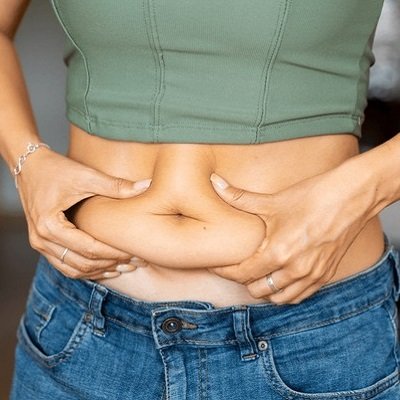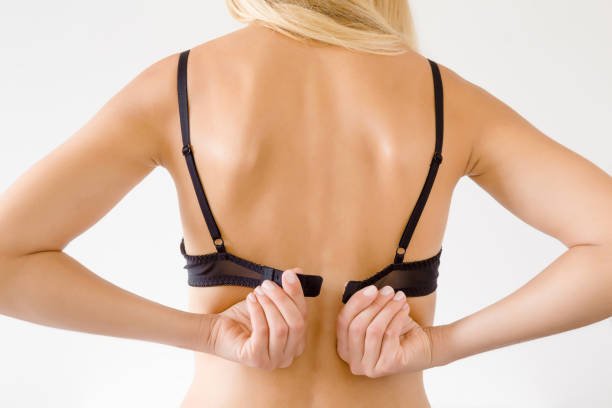
Bra-line skin laxity can become increasingly noticeable when the skin around the upper and middle back loses firmness and begins to gather into folds. Aging, significant weight loss, and changes in skin elasticity can all contribute to this concern, making the area appear less smooth beneath fitted clothing. For individuals researching Bra Line Lift in Abu Dhabi, understanding how a targeted lift addresses bra-line skin laxity can help clarify whether the procedure matches their aesthetic goals. A bra line lift is designed to remove redundant skin and reshape the treated area, creating a smoother and more defined upper-back contour.
What Is Bra-Line Skin Laxity?
Skin laxity refers to skin that has become loose, stretched, or less firm than it previously was. Around the bra line, this may appear as horizontal folds, sagging tissue, or an overhang that becomes more visible when wearing a bra or fitted clothing.
Skin laxity can develop gradually as part of the natural aging process. It can also occur after significant changes in body weight, particularly when the skin has been stretched for a prolonged period.
The degree of laxity varies between individuals. Some people may have a small amount of loose skin, while others may have substantial redundant tissue extending across the upper and middle back.
Why Does Skin Become Loose Around the Bra Line?
Several factors can contribute to reduced firmness in this area. With age, the skin naturally becomes less elastic, which can make it harder for stretched tissue to maintain a smooth contour.
Significant weight loss can also leave excess skin behind. Although the underlying body becomes smaller, the skin may not contract enough to match the new shape. Previous weight fluctuations may contribute to similar changes.
The location of the bra band can make laxity particularly noticeable. Compression from the band may emphasize existing folds, making the upper-back contour appear more uneven.
How Does a Bra Line Lift Improve Skin Laxity?
A bra line lift directly addresses redundant skin around the upper and middle back. During the procedure, excess skin is removed and the remaining tissue is repositioned to create a smoother contour.
This approach is especially relevant when loose skin is the primary cause of visible folds. Rather than simply encouraging the skin to tighten naturally, the procedure removes the tissue that is creating the excess.
The result is intended to provide a flatter and more streamlined appearance around the bra-line region.
Can It Tighten Sagging Upper-Back Skin?
Yes. Tightening the appearance of loose skin is a central objective of a bra line lift. By removing redundant tissue and repositioning the remaining skin, the procedure can reduce sagging and improve the overall contour.
The degree of tightening depends on several individual factors, including the amount of excess skin, skin elasticity, body proportions, and the location of the laxity.
The goal is not necessarily to make the skin appear unnaturally tight but to create a balanced contour that complements the surrounding upper torso.
Is a Bra Line Lift Suitable After Weight Loss?
A bra line lift may be particularly relevant for people who have persistent skin laxity following substantial weight loss. When the skin has been stretched significantly, it may not fully retract after the underlying body volume decreases.
This can leave folds around the bra line even when a person has achieved and maintained a stable weight. If redundant skin is the primary concern, a targeted lift can address the tissue directly.
A professional assessment can determine whether the location and amount of excess skin make the procedure appropriate.
Can Age-Related Laxity Be Improved?
Age-related changes in skin elasticity can contribute to sagging around the upper back. As the skin becomes less resilient, folds may become more noticeable over time.
A bra line lift can address the redundant skin that is already present, helping improve the contour of the treated area. However, the procedure does not stop natural aging.
Future changes in skin firmness can occur gradually, which is why the procedure should be viewed as a long-lasting contouring solution rather than a way to permanently prevent skin laxity.
Does a Bra Line Lift Address Fat as Well?
A bra line lift is primarily designed to address excess and redundant skin. It should not automatically be considered a procedure for removing back fat.
Some individuals have both skin laxity and excess fatty tissue around the bra line. In these situations, a professional assessment can determine which tissues are contributing to the fullness and whether additional contouring may be appropriate.
Understanding the difference between skin and fat helps establish realistic expectations about what a bra line lift can achieve.
What Happens During the Procedure?
The surgical plan is customized according to the individual’s anatomy and the pattern of skin laxity. An incision is generally positioned around the bra-line region, allowing redundant tissue to be removed from the area where sagging is most prominent.
The remaining skin is then repositioned to create a smoother upper-back contour. The precise technique varies according to the amount of excess tissue, skin quality, body proportions, and desired result.
The objective is to reduce visible laxity while maintaining natural-looking proportions.
Can a Bra Line Lift Improve Clothing Fit?
Bra-line skin laxity can become especially noticeable beneath fitted garments. Excess tissue may create folds that interrupt the smooth appearance of clothing across the upper back.
By reducing redundant skin, a bra line lift can create a flatter surface and potentially allow clothing to follow the body’s contours more smoothly.
For many people, this improvement can be an important part of their aesthetic goal because the concern is often most noticeable when wearing bras, dresses, shirts, or other fitted garments.
What Results Can You Expect?
The primary result is generally a smoother and more refined contour around the upper and middle back. When loose skin is the main source of bra-line folds, removing redundant tissue can make the area appear firmer and more streamlined.
The final appearance develops gradually as the tissues heal and settle. The initial postoperative contour may change during recovery, so it is important to allow sufficient time for the result to stabilize.
Individual outcomes vary depending on skin quality, the amount of laxity, body shape, and the extent of the procedure.
Are the Results Long-Lasting?
A bra line lift can provide a durable improvement because the excess skin responsible for the original laxity is physically removed. The specific tissue that has been excised does not simply return.
However, the remaining skin continues to experience natural aging. Significant changes in body weight can also influence the treated area and alter the overall contour.
Maintaining realistic expectations is therefore essential. The procedure can provide lasting improvement while the body continues to undergo normal changes.
Who May Consider a Bra Line Lift?
Adults with persistent loose skin around the bra line may consider discussing a bra line lift with a qualified surgical professional. It may be particularly relevant when skin laxity remains after significant weight loss or becomes more noticeable with age.
The procedure may not be the most suitable option when fullness is primarily caused by fat rather than redundant skin. A personalized evaluation can help determine the underlying cause of the concern and whether targeted skin removal is appropriate.
Does Bra Line Lift Improve Bra-Line Skin Laxity?
Yes. A bra line lift can improve bra-line skin laxity when excess or redundant skin is responsible for sagging, folds, or overhang around the upper and middle back. By removing the excess tissue and repositioning the remaining skin, the procedure can create a smoother and firmer-looking contour.
The degree of improvement depends on individual anatomy, skin elasticity, the amount of redundant tissue, and the location of the laxity. A professional assessment can help establish whether the procedure is suitable for a person’s specific concerns and expectations.
FAQs
Does a bra line lift improve bra-line skin laxity?
Yes. A bra line lift is specifically designed to address redundant skin around the upper and middle back, making it suitable for improving laxity when loose skin is the primary concern.
Can it tighten loose skin after weight loss?
Yes. The procedure may help reduce persistent loose skin around the bra line after significant weight loss by removing redundant tissue and reshaping the remaining skin.
Does a bra line lift treat back fat?
Its primary focus is excess skin rather than fat. If fatty tissue contributes significantly to the appearance, another contouring approach may be considered.
Can the procedure improve age-related skin laxity?
Yes. A bra line lift can address existing age-related redundant skin around the upper back, although it cannot prevent future changes associated with natural aging.
How long can the improvement in skin laxity last?
The results can be long-lasting because the excess skin is physically removed. Natural aging and significant changes in body weight may influence the treated contour over time.