Birthmarks are common skin features that many individuals are born with or develop shortly after birth. While most are harmless, many people seek ways to address them for aesthetic or personal comfort. Birthmarks Removal Treatment in Abu Dhabi is a sought-after service for those looking to manage these marks effectively, provided they choose the right approach for their skin profile.
- Birthmarks are distinct areas of skin characterized by different colors, textures, or thicknesses.
- The primary motivation for removal is often cosmetic, though some individuals seek clarity on how various skin types respond to modern procedures.
- Advancements in dermatological technology have made it possible to address a wide range of birthmarks safely across diverse skin tones.
Exploring the Nature of Birthmarks
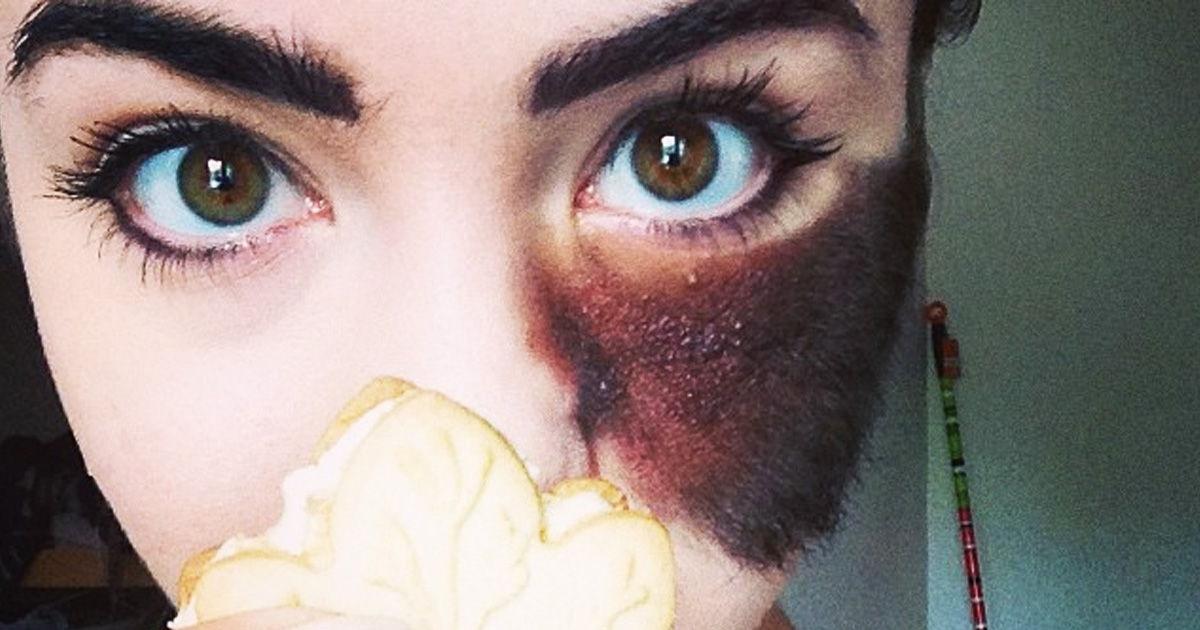
To understand how treatments function, it is essential to categorize birthmarks. Generally, they fall into two main groups: vascular and pigmented. Vascular birthmarks, such as port-wine stains or hemangiomas, occur when blood vessels do not form correctly, often resulting in red, pink, or purple hues. Pigmented birthmarks, like café-au-lait spots or congenital nevi, are caused by an overgrowth of pigment-producing cells, typically appearing in various shades of brown.
- Vascular marks are linked to capillary or vein anomalies.
- Pigmented marks are defined by higher concentrations of melanin in specific skin areas.
- Recognizing the specific type of birthmark is the first step toward determining the most appropriate care path.
How Modern Technology Addresses Birthmarks
The core of modern dermatological care relies on selective photothermolysis. This process uses focused light energy to target specific components—either the excess pigment or the abnormal blood vessels—without affecting the surrounding healthy tissue. By precisely calibrating the laser’s wavelength and pulse duration, specialists can break down the unwanted structures, which the body then naturally processes and fades over time.
- Laser treatments are designed to be precise, leaving the surrounding skin undisturbed.
- Different laser systems, such as the Pulsed Dye Laser (PDL) or Q-Switched lasers, are utilized depending on whether the target is vascular or pigmented.
- Advanced cooling systems integrated into these devices help manage the skin’s surface temperature, ensuring the process remains controlled and focused.
Compatibility Across Diverse Skin Types
A frequent question is whether these procedures are safe for all skin profiles. The short answer is yes; however, it requires a highly personalized strategy. In the past, certain lasers were limited in their application for darker skin tones due to the risk of affecting melanin. Today, advanced technologies, such as the Nd:YAG laser, offer longer wavelengths that allow energy to penetrate deeper into the skin, bypassing surface melanin to treat the target area effectively.
- Personalization is critical, as skin tone influences the choice of laser wavelength.
- Dermatologists perform evaluations to ensure that the chosen technology aligns with the patient’s unique skin characteristics.
- The development of specialized lasers has significantly expanded the accessibility of treatment for individuals with medium to darker skin tones.
Considerations for Treatment Success
Achieving the best results involves more than just a single session. Because birthmarks vary in depth, size, and location, most individuals require a series of treatments scheduled several weeks apart. This spacing allows the skin to recover fully between sessions and enables the body to continue clearing the treated pigment or vessels gradually. Patience is a fundamental part of the process, as the most natural-looking results are often the product of consistent, incremental progress.
- A series of sessions is typically required to achieve significant fading.
- Allowing adequate time between visits is crucial for optimal healing and structural response.
- The goal is to provide a subtle, gradual improvement that harmonizes the appearance of the treated area with the surrounding skin.
Preparing for Your Consultation
Before starting any procedure, an professional assessment is mandatory. During a consultation, a specialist will examine the birthmark’s characteristics, including its size, color, and depth. They will also review the medical history to ensure that the chosen method is the safest route. This is also the time to ask questions about the expected timeline and how the treatment will be customized for your specific needs.
- Consultations involve a thorough physical examination and history review.
- The specialist identifies the specific type of birthmark to tailor the technical settings accordingly.
- Expect a discussion on how the treatment aligns with your long-term skin health goals.
Frequently Asked Questions
Can all birthmarks be completely removed?
While many birthmarks show significant improvement or fading, complete removal depends on the type, depth, and location of the mark. Some vascular birthmarks, like port-wine stains, respond well to laser light, while others may require a combination of approaches. The aim is often to make the mark significantly less noticeable, rather than expecting total erasure in every case.
Is the treatment process painful?
Most individuals describe the sensation as being similar to the flick of a rubber band against the skin. For those concerned about discomfort, many practitioners offer topical numbing creams that can be applied to the area beforehand to ensure a more comfortable experience during the procedure.
How do I know if my skin type is suitable for laser treatment?
Modern lasers are highly versatile. During a consultation, a professional will evaluate your skin tone and the specific pigment or vascular structure of your birthmark to select a laser wavelength that is safe and effective for your complexion. Technology now allows for precise treatment across a wide spectrum of skin tones by minimizing the impact on surface melanin.
Are there any specific aftercare steps to follow?
Following a treatment, it is important to keep the area clean and protected from the sun. Specialists often recommend avoiding direct sun exposure and using gentle skincare products as directed. Following the specific guidance provided for your individual case ensures the best possible environment for the skin to heal and the treatment results to settle.