Uneven skin tone can make the complexion appear patchy, dull, or less balanced, even when the skin feels healthy. Chemical peels in Abu Dhabi are one option people consider for improving the look of discoloration and creating a more even-looking surface. Whether a peel is suitable depends on what is causing the unevenness, the person’s skin type, and the strength and ingredients selected by a qualified skincare professional.
How Chemical Peels Work
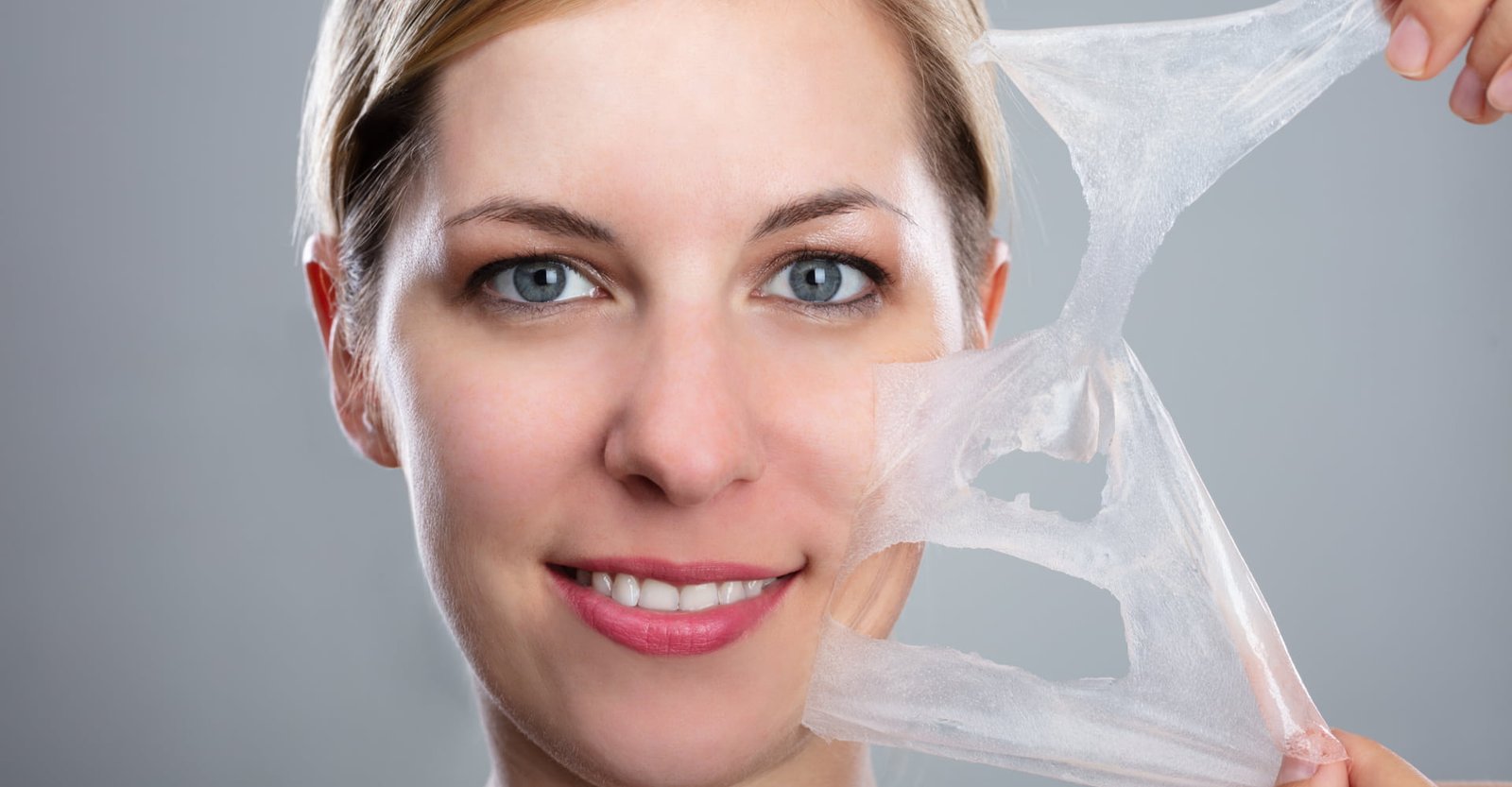
A chemical peel uses a carefully chosen solution to loosen and remove some of the outermost skin cells. As those cells shed, newer skin gradually becomes visible. Depending on the peel, its ingredients, and how deeply it works, it may target surface dullness or more noticeable discoloration.
Peels are not all the same. Some are designed for a mild refresh, while others work more intensively and require closer professional guidance. A consultation helps determine which approach is appropriate rather than relying on a one-size-fits-all treatment.
Can a Peel Improve Uneven Skin Tone?
A peel may help improve the appearance of uneven tone when discoloration is close to the skin’s surface. It can encourage a smoother-looking complexion and reduce the visibility of certain dark patches over time. Some people also notice that their skin looks brighter and feels more refined after the skin has recovered.
Results vary. A peel may be less effective when discoloration is deeper, linked to an ongoing skin condition, or repeatedly triggered by sun exposure or irritation. In those cases, a professional may recommend a different plan or explain that a peel alone is unlikely to meet the person’s expectations.
Common Concerns a Peel May Address
A professional may assess whether a peel could help with:
- Mild sun-related discoloration
- Post-blemish marks
- A generally dull or uneven-looking complexion
- Rough texture that makes tone appear less uniform
These concerns can have different causes, so identifying the likely source is an important part of choosing a suitable treatment.
What Influences the Results?
The outcome depends on several factors, including the type of discoloration, skin sensitivity, peel depth, and consistency with professional guidance. A mild peel may create a subtle change, while a more intensive approach may require a longer recovery period and careful assessment.
Skin tone also matters. Some skin types are more prone to developing discoloration after irritation. A qualified professional should consider this risk when selecting the peel and setting expectations. The goal is not simply to choose the strongest option; it is to select an approach that suits the individual’s skin.
Why a Consultation Matters
Before treatment, a professional can review the person’s skin history, current concerns, and previous reactions to skincare procedures. They may ask about recent treatments, active skin conditions, and sensitivity. This helps them decide whether a peel is appropriate and whether another option may be better suited.
A consultation also gives the person a chance to discuss realistic results. Improvement is often gradual, and one session may not address every type of discoloration. Clear expectations help prevent disappointment and support informed decisions.
What to Expect During the Process
The treatment usually begins with an assessment and preparation of the skin. The selected solution is applied for a controlled period, then removed or neutralized according to the professional’s method. The person may feel temporary tingling or warmth while the peel is in place, though the sensation can differ depending on the formula and individual sensitivity.
After treatment, the skin needs time to recover. The professional should explain what changes are expected and how to care for the skin during that period. Following those instructions is important, especially because irritation can work against the goal of achieving a more even-looking complexion.
Choosing a Suitable Approach
People considering Chemical peels in Abu Dhabi should look for a qualified provider who takes time to assess their skin and explain the treatment clearly. They can ask what type of peel is being considered, what concerns it is intended to address, how many sessions may be needed, and what recovery involves.
A careful provider should also explain when a peel may not be suitable. For example, active irritation or certain skin conditions may mean treatment should be postponed or avoided. Honest guidance is more useful than a promise of immediate or guaranteed results.
Frequently Asked Questions
How soon can results appear?
The timing varies with the peel and the skin concern. Some people notice a fresher appearance after recovery, while changes in discoloration may take longer and develop gradually. A professional can provide a more relevant estimate after assessing the skin.
How many sessions might be needed?
There is no single number that suits everyone. The number of sessions depends on the type and depth of discoloration, the peel selected, and how the skin responds. A professional should recommend a plan based on the individual assessment rather than a fixed schedule.
Can a peel treat every type of discoloration?
No. Peels may improve some surface-level concerns, but deeper or persistent discoloration may need a different approach. The cause of the uneven tone should be assessed before treatment is chosen.
Is a stronger peel always better?
No. A stronger peel is not automatically more suitable or more effective for every person. The right choice depends on skin type, sensitivity, the concern being treated, and the person’s ability to follow recovery guidance.
When should someone seek professional advice?
Anyone with persistent, changing, or unexplained discoloration should seek an assessment before pursuing a cosmetic treatment. A professional can help identify whether a peel is appropriate and discuss other options if needed.
Final Thoughts
Chemical peels can improve the appearance of some forms of uneven skin tone by encouraging surface renewal and revealing a fresher-looking complexion. Their effectiveness depends on the cause of discoloration, the person’s skin, and the treatment selected. A careful assessment, realistic expectations, and adherence to professional guidance help people decide whether a peel is a suitable choice.