Spending time outdoors can be enjoyable, but too much exposure to ultraviolet (UV) radiation can leave the skin red, painful, warm, and irritated. Sunburn is one of the most common signs of excessive UV exposure, and while mild cases often improve with proper home care, more severe burns may require professional medical attention.
Dermatology professionals emphasize that treating sunburn is not only about reducing discomfort. Appropriate care can help protect the skin barrier, support healing, and reduce the risk of complications. People who regularly experience sunburn should also consider it a warning that their skin is receiving more UV exposure than it can safely tolerate.
For individuals searching for the Best Dermatologists in Muscat, understanding basic sunburn care can also help them recognize when professional advice may be appropriate. Dermatologists can assess damaged skin, recommend suitable treatments, and provide personalized guidance for preventing future sun-related problems.
What Happens to the Skin During a Sunburn?
A sunburn develops when the skin receives excessive UV radiation, particularly UVB rays. The exposure can damage skin cells and trigger an inflammatory response. This is why affected areas may become red, hot, tender, swollen, or painful several hours after spending time in the sun.
Sunburn symptoms do not always appear immediately. In some cases, redness and discomfort become more noticeable later in the day or the following day. The skin may continue to feel painful or sensitive as the body’s natural repair process begins.
More intense burns can cause blistering, significant swelling, headache, fever, chills, nausea, or weakness. These symptoms should not be ignored. A severe sunburn can affect more than just the outer layer of the skin and may require medical evaluation.
Dermatologists generally recommend taking sunburn seriously because repeated UV damage can contribute to premature skin aging, pigmentation changes, and an increased long-term risk of skin cancer.
Immediate Steps to Soothe Sunburned Skin
The first priority after getting sunburned is to stop further UV exposure. Moving indoors or into a shaded area helps prevent additional damage while the skin begins to recover.
A cool shower or bath can provide temporary relief from heat and discomfort. A clean, cool, damp cloth may also be gently applied to affected areas. Extremely cold water or direct application of ice should be avoided because it can further irritate already damaged skin.
After cooling the skin, a gentle moisturizer can help reduce dryness and tightness. Products containing soothing ingredients such as aloe vera or soy may be comfortable for some people. Fragrance-free moisturizers are often preferable because fragrances and certain cosmetic ingredients can irritate sensitive, sunburned skin.
Drinking enough water is another useful part of recovery. Sun exposure, heat, and skin inflammation can contribute to fluid loss, so maintaining hydration is important, particularly after spending a long period outdoors.
Pain or discomfort can sometimes be managed with commonly used over-the-counter pain relievers when they are appropriate for the individual. Anyone with existing medical conditions, allergies, medication interactions, pregnancy, or other concerns should seek advice from a healthcare professional before taking medication.
What Should Be Avoided After a Sunburn?
Some common habits can make irritated skin feel worse or interfere with recovery. Dermatology professionals generally advise against picking, peeling, or scratching sunburned skin. Although peeling can be tempting as damaged skin sheds naturally, removing it prematurely can expose sensitive underlying skin and increase irritation.
Blisters should also be left intact whenever possible. They act as a natural protective covering for the damaged skin underneath. If a blister breaks accidentally, the area should be kept clean and protected with an appropriate dressing.
Harsh exfoliating products should be avoided while the skin is healing. Scrubs, strong acids, retinoids, alcohol-based products, and other potentially irritating skincare ingredients may increase discomfort.
Hot showers and baths may also worsen the sensation of burning. Similarly, tight clothing can rub against sensitive areas. Loose, soft clothing can help minimize friction while the skin recovers.
Another important point is avoiding additional sun exposure. Covering the affected skin with clothing and staying in the shade can help prevent the burn from becoming worse. Sunscreen is important for future protection, but severely irritated skin may first need to be protected physically from direct sunlight.
When Should a Sunburn Be Evaluated by a Dermatologist?
Mild sunburns often improve gradually with supportive care, but certain symptoms warrant professional attention. A person may benefit from seeing a dermatologist if the burn is extensive, unusually painful, severely swollen, or accompanied by significant blistering.
Medical evaluation is particularly important if sunburn is accompanied by fever, chills, dizziness, confusion, vomiting, severe headache, dehydration, or fainting. These symptoms may indicate a more serious reaction to heat or extensive UV exposure.
Children, older adults, and people with certain medical conditions may also require additional caution. If there is uncertainty about how severe a burn is or whether symptoms are normal, professional medical advice can provide reassurance and appropriate treatment.
For people seeking the Best Dermatologists in Muscat, it is helpful to choose a qualified dermatology professional who can evaluate the skin and provide advice suited to the person’s skin type, symptoms, medical history, and lifestyle. A professional consultation may also be useful when sunburn occurs repeatedly or when unusual changes remain after the skin has healed.
How Dermatologists Can Help Prevent Future Sun Damage
Treating an existing sunburn is only one part of protecting skin health. Dermatologists can also help people develop a practical sun-protection routine that fits their daily activities and environment.
A broad-spectrum sunscreen with an appropriate sun protection factor can help reduce exposure to both UVA and UVB radiation. Sunscreen should be applied generously to exposed areas and reapplied as recommended, especially after swimming, sweating, or prolonged outdoor activity.
However, sunscreen should not be considered the only form of protection. Wide-brimmed hats, sunglasses, long sleeves, umbrellas, shade, and avoiding intense midday sunlight can all contribute to reducing UV exposure.
People who spend significant time outdoors may need to be especially consistent with sun protection. This can include individuals who work outside, exercise outdoors, travel frequently, or participate in outdoor sports and recreational activities.
Dermatologists may also recommend regular skin checks for individuals with a history of frequent sunburns, significant UV exposure, numerous moles, or other risk factors. Monitoring the skin can help identify suspicious changes early.
Long-Term Effects of Repeated Sunburn
A sunburn may eventually disappear, but the underlying UV-related damage can have longer-lasting effects. Repeated exposure can contribute to premature skin aging, including fine lines, wrinkles, uneven pigmentation, and changes in skin texture.
Frequent sunburns are also associated with an increased risk of skin cancer. This is one reason dermatology professionals emphasize prevention rather than relying solely on treatment after a burn occurs.
Sun protection is important for people of all skin tones. Although darker skin contains more melanin and generally provides greater natural protection against UV radiation, it can still experience sunburn and UV-related skin damage.
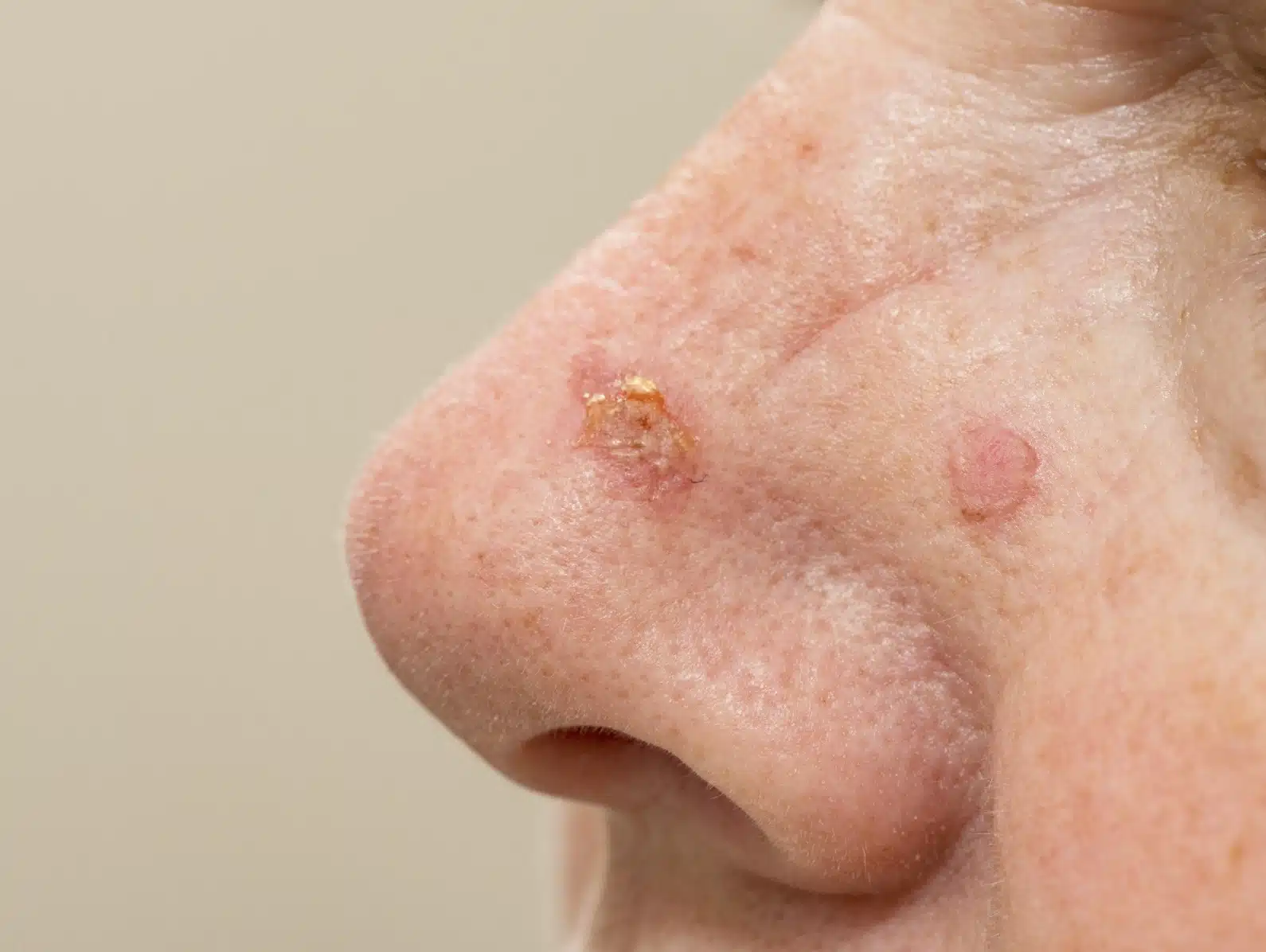
Individuals should therefore pay attention to changes such as a new or changing mole, a persistent rough or scaly patch, a sore that does not heal, or an unusual spot that changes over time. Such changes do not necessarily mean skin cancer, but they should be evaluated by a qualified healthcare professional when appropriate.
Building a Practical Sun-Safe Skincare Routine
A simple routine can make sun protection easier to maintain. During the day, exposed skin can be protected with broad-spectrum sunscreen, clothing, shade, and other physical barriers. Sunscreen should be incorporated into daily habits rather than used only during holidays or beach visits.
After outdoor exposure, gentle cleansing and moisturizing can help maintain the skin barrier. If the skin becomes irritated, simplifying the skincare routine can prevent unnecessary exposure to potentially irritating ingredients.
People with sensitive skin or recurring reactions may benefit from professional guidance. A dermatologist can help determine which skincare ingredients and products are appropriate and which ones may be better avoided.
Most importantly, sun protection should be viewed as an ongoing part of skin health rather than a temporary response to sunburn. Preventing repeated damage is generally more beneficial than repeatedly treating its effects.
FAQs About Treating Sunburned Skin
1. How long does a sunburn usually take to heal?
A mild sunburn may begin improving within a few days and can often heal within about a week. More severe burns, particularly those involving blisters, may take considerably longer. The healing time depends on the severity of the burn and the individual’s overall health and skin condition.
2. Is it safe to pop sunburn blisters?
It is generally better not to intentionally pop sunburn blisters. The blistered skin can help protect the area underneath while it heals. If a blister breaks on its own, the area should be gently cleaned and protected to reduce the risk of irritation or infection.
3. Can moisturizer help a sunburn?
Yes. A gentle, fragrance-free moisturizer may help reduce dryness, tightness, and discomfort as the skin heals. Moisturizer is generally most comfortable when applied after gently cooling the skin. Products that sting or cause additional irritation should be discontinued.
4. Should someone use ice directly on sunburned skin?
Direct ice application is generally not recommended. Very cold temperatures can irritate already damaged skin. A cool, damp cloth or a comfortably cool shower can provide relief without exposing the skin to extreme temperatures.
5. When is a sunburn serious enough to require medical attention?
Medical advice should be considered when there is extensive blistering, severe pain, significant swelling, or symptoms such as fever, chills, dizziness, confusion, vomiting, fainting, or signs of dehydration. Professional evaluation can also be helpful when a burn does not appear to be healing normally.
6. How can future sunburns be prevented?
Consistent sun protection is key. Using broad-spectrum sunscreen, wearing protective clothing and a hat, seeking shade, using sunglasses, and limiting exposure during periods of intense sunlight can all reduce UV exposure. People who frequently develop sunburn despite taking precautions may benefit from personalized advice from a dermatology professional.
Read More About Dermatologists in Muscat: https://autopedia.co.uk/events/oman/muscat/muscat-1/how-dermatologists-handle-recurring-skin-problems/