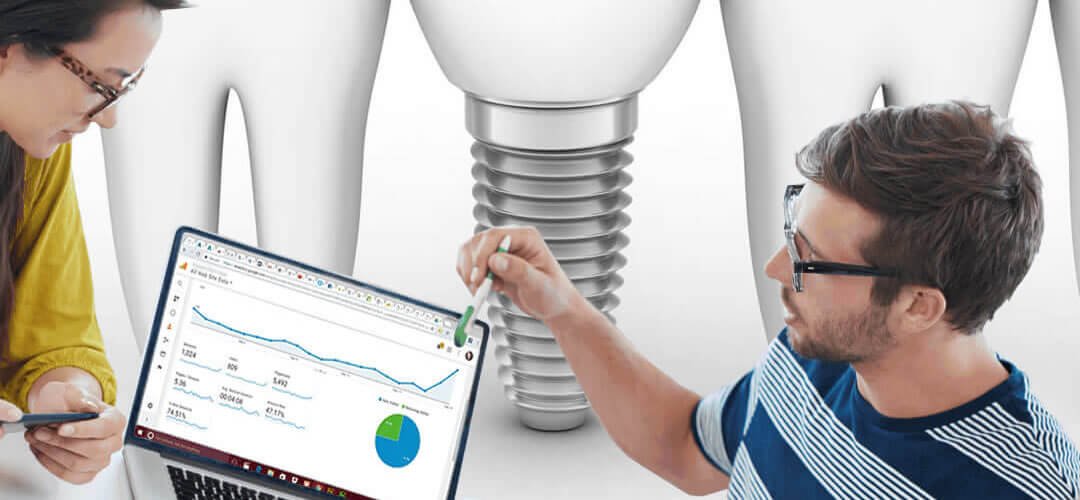
A dental website is often the first place where a potential patient learns about a dental practice. In 2026, having a basic website is no longer enough. Patients expect websites to be fast, easy to use, informative, and convenient on every device. Modern dental website design focuses on creating a digital experience that builds trust while making it simple for visitors to book appointments.
As competition among dental practices continues to grow, dentists need to understand the latest website trends. A well-planned website can improve patient engagement, strengthen online visibility, and encourage more appointment requests.
Mobile-First Website Experiences
Most people use smartphones when searching for local services, including dentists. Therefore, dental websites need to work smoothly on smaller screens.
A mobile-friendly website should have:
- Easy-to-read text
- Simple navigation
- Clearly visible appointment buttons
- Fast-loading pages
- Click-to-call functionality
Responsive layouts automatically adjust to different screen sizes, helping patients access important information without zooming or unnecessary scrolling.
Faster Loading Speeds
Website speed has become an important part of the online experience. Patients may leave a website if pages take too long to load.
Dentists can improve loading speed by compressing images, reducing unnecessary website elements, using efficient hosting, and optimizing technical features. A faster website can provide a better user experience and support stronger search visibility.
Online Appointment Booking
Convenience is a major priority for modern patients. Instead of calling during office hours, many people prefer booking appointments online.
Modern websites can include appointment scheduling tools that allow visitors to select available dates and times. Clear booking buttons should appear throughout important pages so patients can take action without searching for contact information.
Clean and Trust-Building Design
A professional appearance can influence how visitors perceive a dental practice. In 2026, minimalist layouts, comfortable spacing, professional photography, and easy navigation are becoming increasingly popular.
Effective Dental Website Design should communicate professionalism without making the website complicated. Patient testimonials, dentist profiles, certifications, treatment information, and real practice photographs can also help build credibility.
Personalized Patient Experiences
Personalization is another growing trend. Dental websites can provide content based on patient needs, such as cosmetic dentistry, children’s dentistry, emergency treatment, or restorative procedures.
Well-organized service pages help visitors quickly find information relevant to their concerns. This can also make the website more useful for people at different stages of their decision-making process.
Voice Search and Conversational Queries
People increasingly use conversational phrases when searching through smartphones and voice assistants. Instead of typing short keywords, users may ask questions such as, “Where can I find an emergency dentist near me?”
Dentists can prepare for this trend by creating helpful FAQ sections and answering common patient questions naturally. This approach can make website content more useful while supporting search visibility.
SEO-Friendly Website Structure
A visually attractive website needs strong search optimization to attract visitors. This is where Dental SEO Services can support a practice by improving keyword targeting, technical performance, local visibility, page structure, and content quality.
Each important treatment should have a dedicated, informative page. Proper headings, descriptive page titles, optimized images, internal links, and useful content can help search engines understand the website.
Accessibility and Easy Navigation
Accessibility is becoming increasingly important in modern web development. Websites should use readable fonts, sufficient contrast, descriptive image text, and clear navigation.
Simple menus also help patients quickly find services, contact details, office locations, insurance information, and appointment options.
AI and Interactive Features
Artificial intelligence is influencing healthcare websites in several ways. Dental practices can use chat features to answer basic questions, guide visitors toward relevant services, and provide appointment information.
Interactive features such as treatment quizzes, cost-estimation tools, and virtual consultations can also make websites more engaging when implemented appropriately.
Conclusion
The best websites in 2026 combine attractive design with speed, convenience, accessibility, personalization, and search visibility. A modern dental website design strategy should focus not only on appearance but also on creating a smooth experience that helps visitors become patients.
With the right approach to Dental SEO Services, mobile optimization, content, and user experience, dental practices can build a stronger online presence. Investing in professional Dental Website Design can help dentists create a trustworthy digital platform that supports patient engagement and long-term practice growth.