
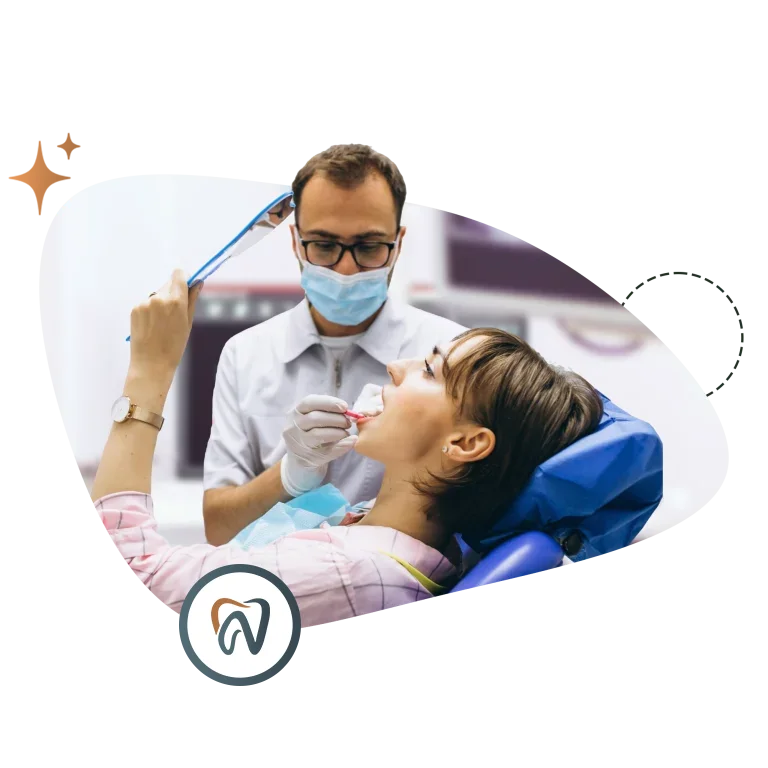
Dental implants are widely recognized as one of the most effective solutions for replacing missing teeth. They offer durability, functionality, and a natural appearance.
However, when gum disease is involved, the process becomes more complex and requires careful planning.
For patients exploring dental implants in Fuquay Varina, understanding how gum disease affects eligibility and outcomes is essential.
While having gum disease does not automatically rule out implants, it does mean additional considerations are necessary to ensure long-term success.
Understanding the Link Between Gum Disease and Implants
Gum disease, also known as periodontal disease, is an infection that affects the gums and supporting structures of the teeth.
In its early stages, it may cause redness and bleeding. In advanced stages, it can lead to bone loss and tooth loss. Since dental implants rely on a strong foundation in the jawbone, untreated gum disease can significantly impact their success.
Healthy gums and bone are critical for proper implant integration.

Can You Get Dental Implants with Gum Disease?
The short answer is yes, but only after the condition is properly managed.
Dentists typically require gum disease to be treated and stabilized before proceeding with implants. This ensures that the infection does not compromise healing or lead to implant failure.
In many cases, patients who have successfully treated their gum disease can still be excellent candidates for implants.
Importance of Treating Gum Disease First
Addressing gum disease is the most important step before implant placement.
Treatment may include deep cleaning procedures, such as scaling and root planing, along with ongoing periodontal care. In more advanced cases, surgical intervention may be required.
Eliminating infection creates a healthy environment for the implant to integrate with the bone.
Bone Loss and Its Impact
One of the biggest concerns with gum disease is bone loss.
As the disease progresses, it can weaken the jawbone, reducing its ability to support an implant. Insufficient bone density may require additional procedures, such as bone grafting, to rebuild the structure.
A thorough evaluation helps determine whether the bone is strong enough for implantation.
The Risk of Peri-Implantitis
Patients with a history of gum disease may be at higher risk of peri-implantitis.
This condition is similar to gum disease but affects the tissues surrounding the implant. It can lead to inflammation, bone loss, and potential implant failure if not managed properly.
Maintaining strict oral hygiene and regular dental visits is essential to minimize this risk.
Commitment to Oral Hygiene
Successful implants require ongoing care.
Patients must be committed to maintaining excellent oral hygiene, including brushing, flossing, and attending regular dental check-ups. This is especially important for those with a history of gum disease.
Consistent care helps protect both natural teeth and implants.
Lifestyle Factors to Consider
Certain lifestyle habits can influence implant success.
Smoking, for example, can slow healing and increase the risk of complications. Patients are often advised to reduce or quit smoking before and after the procedure.
A healthy lifestyle supports better healing and long-term results.
Personalized Treatment Planning
Every patient’s situation is unique.
Dentists create customized treatment plans based on the severity of gum disease, bone condition, and overall health. This may involve multiple stages, including periodontal treatment, healing time, and implant placement.
A personalized approach ensures the best possible outcome.
Benefits of Implants After Gum Disease Treatment
Once gum disease is under control, dental implants can provide significant benefits.
They restore function, improve appearance, and help maintain jawbone structure. Implants also prevent the shifting of surrounding teeth and support overall oral health.
For many patients, they offer a long-term solution that enhances both confidence and quality of life.
When Implants May Not Be Suitable
In some cases, implants may not be the best option.
Severe, uncontrolled gum disease or significant bone loss that cannot be restored may limit eligibility. Alternative treatments, such as dentures or bridges, may be recommended instead.
A professional assessment is essential to determine the most suitable solution.
The Role of Regular Monitoring
Even after successful implant placement, ongoing monitoring is crucial.
Regular dental visits allow early detection of any issues and ensure that both the implants and the surrounding tissues remain healthy. Preventive care is key to long-term success.
Final Thoughts
Dental implants can still be a viable option for patients with a history of gum disease — but only with proper treatment, planning, and ongoing care. Addressing the condition first and maintaining excellent oral hygiene are essential steps toward successful outcomes.
For those considering dental implants Fuquay Varina, working with experienced dental professionals ensures that every aspect of your oral health is carefully managed.
At Novel Dental, we specialize in personalized dental care, helping patients navigate complex cases with confidence.
Our team is dedicated to providing safe, effective implant solutions tailored to your needs.
Schedule a consultation with us today to explore your options and take the next step toward restoring your smile.