
Missing teeth can affect more than just your smile. A gap may make chewing uncomfortable, affect speech, or make you feel less confident while interacting with others. Fortunately, modern dentistry offers several options for replacing missing teeth, and dental implants are one of the most established solutions for suitable patients.
If you are considering dental implants treatment in Vivekanand Nagar or researching dental implants in Nagpur, understanding the treatment process, benefits, recovery, and aftercare can help you have a more informed conversation with your dentist.
What Are Dental Implants?
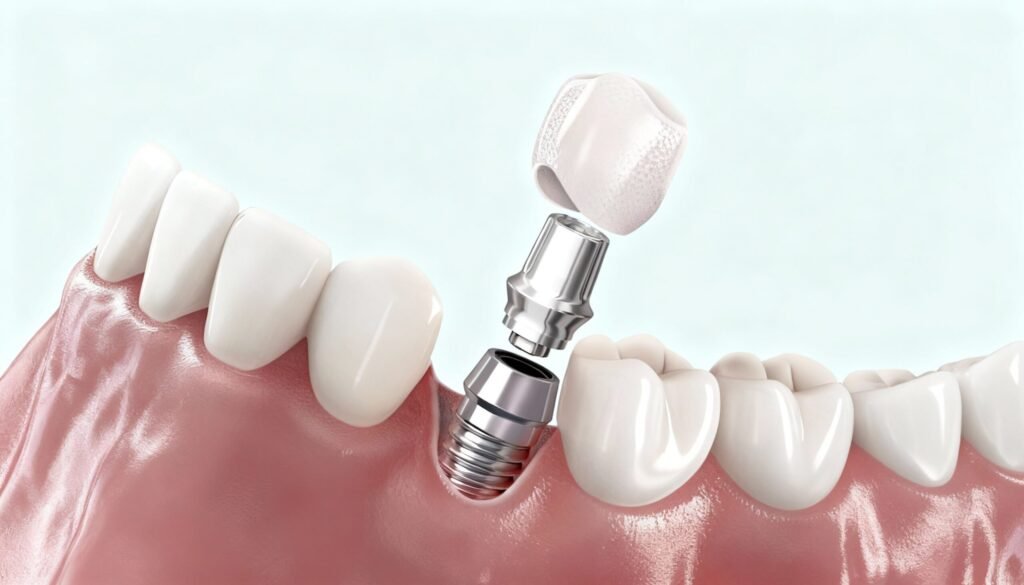
A dental implant is a small, biocompatible post that is placed into the jawbone to replace the root portion of a missing tooth. Once the implant integrates with the surrounding bone, it can support a dental crown, bridge, or in some cases, a denture.
Unlike removable dentures, implants are fixed within the jaw. They are designed to provide a stable foundation for replacement teeth and can closely resemble the appearance and function of natural teeth.
However, dental implants are not automatically suitable for everyone. Your dentist needs to assess your gums, jawbone, overall oral health, and individual treatment requirements before recommending them.
Why Consider Dental Implants?
Dental implants can offer several benefits when they are appropriately planned and placed.
Natural-Looking Appearance
A well-designed implant restoration can be customised to match the surrounding teeth in colour, shape, and size. This can help create a more natural-looking smile.
Improved Chewing Function
Missing teeth can make certain foods difficult to chew. Because implants provide a stable foundation for replacement teeth, they can help restore chewing function compared with living with an untreated gap.
Support for Oral Function
A missing tooth can sometimes allow neighbouring teeth to shift gradually. Replacing the missing tooth may help maintain the existing arrangement of the teeth and support a balanced bite.
A Fixed Tooth Replacement Option
For patients who do not want a removable replacement, implants can provide a fixed option. They are designed to become integrated with the jawbone, providing support for the final restoration.
Who May Be a Candidate for Dental Implants?
Dental implants may be suitable for adults who have one or more missing teeth and have adequate bone and healthy oral tissues to support the procedure.
Factors such as gum disease, insufficient bone volume, uncontrolled medical conditions, smoking, and oral hygiene can influence treatment planning and outcomes.
An experienced implantologist can evaluate your individual situation and explain whether implants are appropriate or whether another option may be more suitable.
The Dental Implant Procedure
Dental implant treatment is usually completed through several stages rather than in a single appointment.
1. Initial Consultation
The process begins with a detailed examination. Your dentist may assess your teeth and gums and use dental imaging to evaluate the jawbone and surrounding structures.
This stage is important because proper diagnosis and planning can significantly influence the treatment approach.
2. Implant Placement
During implant surgery, the implant is placed into the jawbone at the planned location. Local anaesthesia is generally used to keep the procedure comfortable.
The exact procedure varies depending on the number of implants, location, bone condition, and individual treatment plan.
3. Healing and Osseointegration
After placement, the implant needs time to integrate with the surrounding bone. This process is called osseointegration.
The healing period varies from patient to patient. Your dentist will determine when the implant is ready for the next stage based on clinical evaluation.
4. Attaching the Final Restoration
Once healing is complete and the implant is stable, the dentist can proceed with the final restoration. This may involve a customised crown, bridge, or denture depending on your treatment plan.
The restoration is designed to provide both functional and aesthetic benefits.
What Is Recovery Like?
Some soreness, swelling, or mild discomfort can occur after implant placement. Your dentist will provide specific instructions regarding medication, diet, oral hygiene, and activity during the initial healing period.
Following these instructions carefully can support a smoother recovery.
You may be advised to eat softer foods initially and avoid putting unnecessary pressure on the surgical area. Maintaining good oral hygiene is also important, although the surgical site may require special care during the early healing period.
If you experience unusual or worsening pain, significant swelling, persistent bleeding, fever, or other concerning symptoms, contact your dental professional promptly.
Dental Implant Aftercare
Successful implant treatment does not end when the final tooth is placed. Long-term maintenance is essential.
Brush your teeth regularly, clean between teeth using the method recommended by your dentist, and attend routine dental check-ups. Your dentist may also recommend professional cleaning depending on your oral health.
Avoid using your implant restoration to bite extremely hard objects, and inform your dentist if you notice looseness, discomfort, changes in your bite, or damage to the restoration.
Good oral hygiene is particularly important because healthy gums and supporting tissues contribute to the long-term stability of the implant.
Choosing the Right Dental Implant Provider
The quality of treatment depends on careful diagnosis, treatment planning, implant placement, restoration, and follow-up care. Therefore, choosing a dental professional based only on price may not give you the complete picture.
If you are searching for a nearby dental clinic in Nagpur, look for a clinic where the dentist clearly explains your treatment options, expected timeline, potential risks, and maintenance requirements.
Patients researching an experienced dentist near Nagpur should also consider professional qualifications, experience with implant cases, diagnostic facilities, hygiene standards, and the clinic’s approach to personalised treatment.
If you are considering treatment locally, Welldent Dental Clinic can be explored as one of the options for discussing your missing-tooth concerns and understanding whether dental implants are appropriate for you.
Are Dental Implants the Right Missing Teeth Treatment for You?
Dental implants can be an effective missing teeth treatment for suitable patients, but they are not the only option. Depending on your situation, your dentist may discuss bridges, removable dentures, or other restorative solutions.
The right choice depends on factors such as the number and location of missing teeth, bone condition, gum health, budget, lifestyle, and personal expectations.
A proper consultation allows you to compare these options instead of making a decision based only on general information.
Frequently Asked Questions
1. Are dental implants painful?
Implant placement is performed with appropriate anaesthesia, so significant pain during the procedure is generally avoided. Some discomfort, swelling, or soreness can occur during the initial recovery period and can usually be managed according to your dentist’s instructions.
2. How long does dental implant treatment take?
The overall timeline varies depending on the patient’s oral health, healing, bone condition, and whether additional procedures are required. Some cases can be completed relatively quickly, while others require a longer healing period.
3. Can anyone get dental implants?
Not everyone is an immediate candidate. Adequate bone support, healthy gums, good oral hygiene, and suitable overall health are important considerations. An implantologist can evaluate your individual case and recommend an appropriate treatment plan.
4. How should I care for dental implants?
Care for implants includes regular brushing, cleaning between teeth, routine dental check-ups, and professional cleaning when recommended. Although implants cannot develop tooth decay like natural teeth, the surrounding gums and tissues still need proper care.
Final Thoughts
Dental implants can provide a stable and natural-looking way to replace missing teeth when carefully planned for the right patient. Understanding the procedure, recovery, benefits, limitations, and aftercare can help you approach treatment with realistic expectations.
If you are exploring dental implants treatment in Vivekanand Nagar or dental implants in Nagpur, start with a professional consultation. A detailed evaluation can help you understand your options and determine whether implants are the right solution for your oral health and long-term needs.
Article Source : Dental Implants Explained: Benefits, Procedure