A healthy, functional smile plays an important role in both appearance and everyday comfort. When a tooth becomes damaged, weakened, heavily filled, or aesthetically compromised, a dental crown can often be one of the most effective ways to restore its strength, shape, and appearance. Dental crowns are widely used in modern restorative dentistry because they protect the tooth while helping it look and function more naturally.
If you are considering Dental Crown Dubai, understanding the treatment process can make the experience much easier and less intimidating. Many patients know that crowns are used to restore teeth, but they are often unsure about what actually happens during the procedure, how many appointments are needed, whether the treatment is painful, and what recovery looks like afterward.
At Cornerstone Dubai, dental crown treatment is planned carefully to restore both oral health and smile aesthetics. Whether a crown is needed because of tooth decay, a fracture, a large filling, or after root canal treatment, the process usually follows a clear step-by-step pathway from consultation to final fitting. In this guide, we’ll walk through the crown procedure in detail, explain who may need a crown, and answer common questions patients ask before starting treatment.
What Is a Dental Crown?
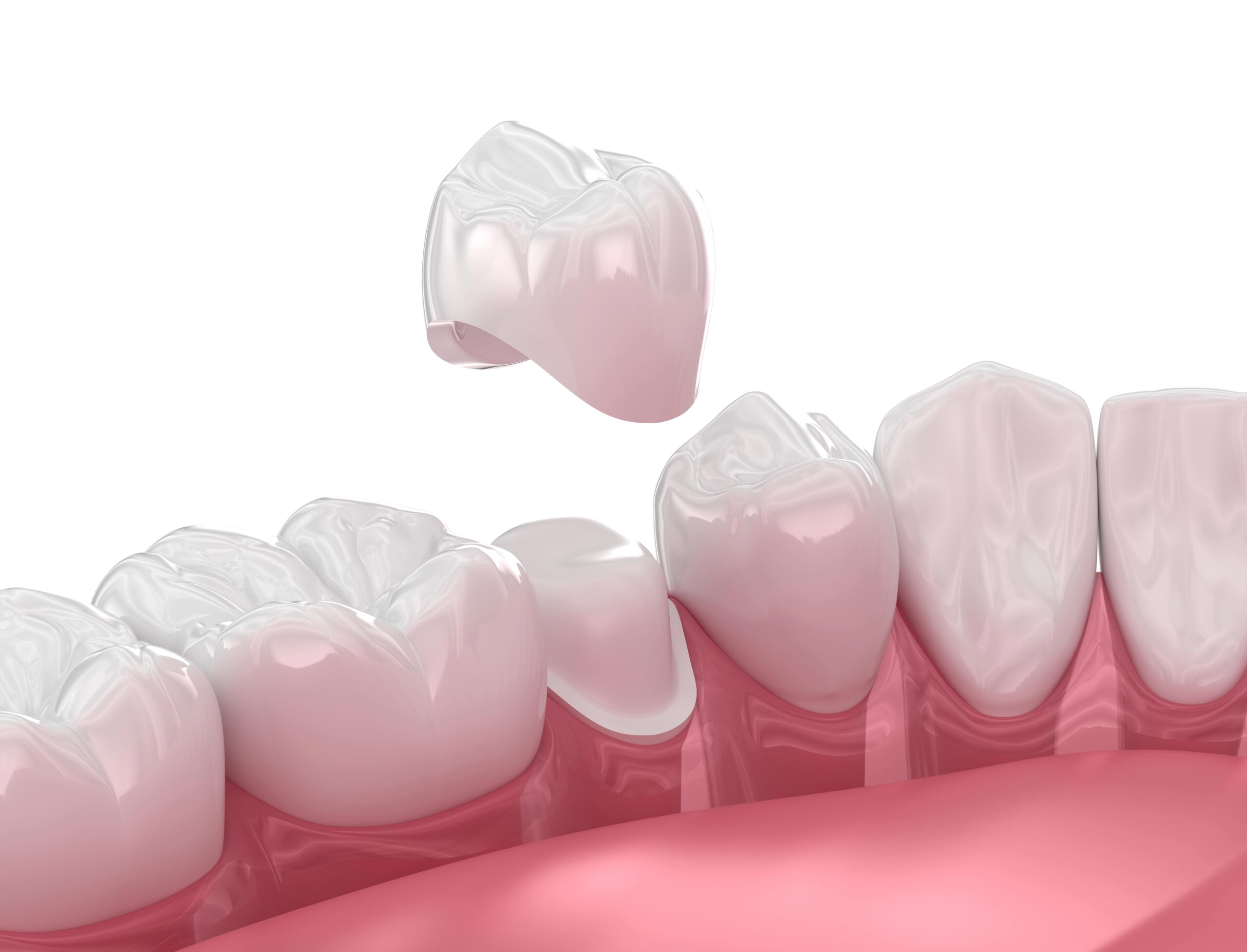
A dental crown is a custom-made cap that covers the visible part of a tooth above the gumline. It is designed to restore the tooth’s shape, size, strength, and appearance while protecting it from further damage. Crowns are usually recommended when a tooth is too weak, broken, worn, or heavily restored to be supported by a filling alone.
A crown fits over the prepared tooth like a protective outer shell. Once cemented into place, it becomes a fixed part of the tooth and is designed to blend naturally with the surrounding teeth in both colour and contour.
Patients seeking Dental Crown Dubai may need treatment for a variety of reasons, ranging from structural repair to cosmetic improvement. The exact type of crown and treatment plan depends on the condition of the tooth and the patient’s overall dental needs.
Why Might You Need a Dental Crown?
Dental crowns are versatile restorations used in both restorative and cosmetic dentistry. A dentist may recommend a crown when a tooth is no longer strong enough to function well on its own or when its appearance needs significant improvement.
A dental crown may be used to:
- Protect a weak or cracked tooth
- Restore a broken or severely worn tooth
- Cover a tooth after root canal treatment
- Strengthen a tooth with a very large filling
- Improve the appearance of a misshapen or discoloured tooth
- Restore a dental implant
- Support a dental bridge
In many cases, a crown is not just about improving how a tooth looks. It is often essential for protecting the remaining natural tooth structure and preventing further damage.
Types of Dental Crowns
Before starting treatment, it helps to understand that dental crowns can be made from different materials. The best choice depends on the tooth being treated, the amount of bite pressure in that area, cosmetic priorities, and the dentist’s recommendation.
Common crown materials include:
- Porcelain crowns
- Ceramic crowns
- Porcelain-fused-to-metal crowns
- Zirconia crowns
- Metal crowns in selected cases
For visible front teeth, highly aesthetic materials such as ceramic or porcelain are often preferred because they can closely mimic the natural translucency of enamel. For back teeth that handle more chewing pressure, durability may be a bigger consideration.
At Cornerstone Dubai, the choice of crown material is usually based on balancing strength, aesthetics, long-term function, and the patient’s smile goals.
Step 1: Initial Consultation and Examination
The first step in the crown procedure is a dental consultation. This is where the dentist examines the tooth, discusses your symptoms or concerns, and decides whether a crown is the most suitable treatment option.
During your consultation for Dental Crown Dubai, the dentist may:
- Examine the affected tooth and surrounding teeth
- Take digital X-rays if needed
- Assess any decay, fractures, wear, or old fillings
- Check the health of the gums and supporting bone
- Ask about pain, sensitivity, or chewing problems
- Discuss whether the tooth has enough structure to support a crown
If the tooth is severely decayed or infected, additional treatment such as a root canal may be required before the crown is placed. If the tooth is cracked or structurally weak, the crown may be recommended as the best way to protect it from further damage.
This consultation is also the stage where the dentist explains the treatment plan, expected number of visits, likely cost, and what result you can expect.
Step 2: Treatment Planning and Shade Selection
Once it is confirmed that a crown is the right option, the dentist will plan the restoration in more detail. This includes choosing the crown material and, if the crown will be visible when you smile, matching its colour to your natural teeth.
For patients having a crown on a front tooth or premolar, shade selection is an important part of the process. The dentist will compare your surrounding teeth and choose a shade that blends as naturally as possible.
This step is especially important when planning a cosmetic or highly visible Dental Crown Dubai treatment because the final result should not only be functional but also harmonious with the rest of the smile.
Step 3: Preparing the Tooth
The next stage is tooth preparation. This is the part of the procedure where the tooth is reshaped so that the crown can fit over it properly. Before this begins, the area is usually numbed with local anaesthetic to keep you comfortable.
To prepare the tooth, the dentist removes a small amount of enamel and reshapes the outer surface. The amount removed depends on the type of crown being used and how much existing damage or decay needs to be cleaned away.
If the tooth has decay, the damaged portion will be removed first. If the tooth is badly broken or has lost a lot of structure, the dentist may need to build it up with filling material before the crown can be placed.
The goal of preparation is to create enough space for the crown to sit securely and naturally while preserving as much healthy tooth structure as possible.
Step 4: Taking Impressions or Digital Scans
After the tooth has been prepared, the dentist needs an accurate model of the tooth and surrounding bite to create the crown. Traditionally, this was done using impression material placed in a tray, but many modern clinics now use digital scanning technology.
At Cornerstone Dubai, digital scans may be used to capture a detailed 3D image of the prepared tooth and the surrounding teeth. This helps ensure the crown is shaped accurately for fit, function, and aesthetics.
The impressions or scans are sent to the dental laboratory, where the custom crown is made to match the prepared tooth and your bite.
Step 5: Temporary Crown Placement
Because the permanent crown usually takes some time to fabricate, a temporary crown is often placed over the prepared tooth in the meantime. This temporary restoration protects the tooth, reduces sensitivity, and helps maintain appearance and function until the final crown is ready.
Temporary crowns are not as strong as permanent ones, so patients are usually advised to:
- Avoid very sticky foods
- Be cautious with hard foods
- Brush gently around the temporary crown
- Contact the clinic if the temporary crown becomes loose or falls out
Although temporary crowns are only used for a short period, they play an important role in protecting the tooth between appointments.
Step 6: Crown Fabrication in the Dental Laboratory
Once the impressions or digital scans are complete, the permanent crown is created in a dental laboratory. Skilled dental technicians use the information provided by the dentist to design a crown that fits the prepared tooth precisely and blends with the patient’s bite and smile.
The laboratory process usually includes:
- Designing the crown shape and contour
- Matching the colour to surrounding teeth
- Creating a restoration that fits the bite properly
- Producing the crown in the chosen material
The amount of time this takes can vary depending on the type of crown and laboratory workflow. In some clinics, same-day crowns may be available for selected cases using advanced digital systems, but many crown procedures still involve two visits.
Step 7: Fitting the Permanent Crown
When the final crown is ready, you return to the clinic for the fitting appointment. The dentist removes the temporary crown and checks the new crown carefully before cementing it into place.
During the fitting, the dentist will assess:
- How the crown fits over the prepared tooth
- Whether the edges sit properly at the gumline
- How the crown looks next to neighbouring teeth
- Whether the bite feels even and comfortable
- If any small adjustments are needed for shape or contact points
This step is extremely important because a well-fitting crown should feel comfortable, look natural, and allow normal chewing without placing too much pressure on one area.
If everything looks and feels correct, the crown is bonded or cemented onto the tooth. Once fixed in place, it becomes a permanent restoration.
Step 8: Final Adjustments and Bite Check
After the crown is cemented, the dentist may ask you to bite down several times to check the bite. Even a beautifully made crown may need minor adjustments so that it meets the opposing teeth correctly.
If the bite feels too high, uneven, or awkward, the dentist can make small refinements at the same appointment. This is important because an unbalanced bite can lead to discomfort, sensitivity, or pressure on the tooth and jaw.
A properly adjusted Dental Crown Dubai restoration should feel secure and blend naturally into your normal chewing pattern after a short adjustment period.
What to Expect After the Crown Procedure
After the final crown is placed, it is normal to notice some mild sensitivity for a short period, especially if the tooth was deeply prepared or previously damaged. The gums around the tooth may also feel slightly tender for a day or two.
Most patients are able to return to normal daily activities straight after treatment, but it is usually sensible to wait until the numbness from local anaesthetic has worn off before eating.
You should contact your dentist if:
- The crown feels too high when you bite
- You have persistent pain rather than mild sensitivity
- The crown feels loose
- You experience difficulty chewing after several days
- There is ongoing gum irritation around the crown
With proper fit and good aftercare, most patients adjust to their crown very quickly.
How Long Does a Dental Crown Last?
A dental crown is designed to be a durable long-term restoration, but its lifespan depends on several factors. These include the crown material, the health of the underlying tooth, oral hygiene habits, grinding or clenching, and how well the crown is maintained over time.
With good care, many crowns can last for many years. To protect your crown and surrounding teeth, it is important to:
- Brush twice daily
- Clean between the teeth with floss or interdental brushes
- Attend regular dental check-ups
- Avoid chewing very hard objects such as ice or pens
- Wear a night guard if you grind your teeth
A crown does not mean the tooth underneath can no longer develop problems. Good hygiene remains essential to protect the tooth margins and gum health.
Benefits of Dental Crowns
Dental crowns are popular because they combine restorative strength with cosmetic improvement. For many patients, they are one of the best ways to save and restore a damaged tooth without extraction.
Benefits of Dental Crown Dubai treatment may include:
- Improved tooth strength and protection
- Restoration of a broken or heavily filled tooth
- Better chewing comfort and function
- Enhanced smile appearance
- Long-term support after root canal treatment
- Improved shape, colour, and contour of the tooth
A crown can often preserve a natural tooth that might otherwise continue to weaken over time.
When a Crown May Be Better Than a Filling
A filling is often enough when tooth damage is small or moderate. However, when a tooth has lost a large amount of structure, a filling may not provide enough long-term support. In these cases, a crown can cover the tooth more fully and reduce the risk of fracture.
A dentist may recommend a crown rather than a filling if:
- The tooth has a very large old filling
- There is a crack or fracture risk
- A lot of tooth structure is missing
- The tooth has had root canal treatment
- The patient wants a more comprehensive aesthetic restoration
Choosing the right restoration early can sometimes prevent more complex problems later.
Why Choose a Professional Clinic for Crown Treatment?
The success of a dental crown depends on more than just placing a cap on a tooth. It requires accurate diagnosis, careful preparation, high-quality materials, precise impressions or scans, and a final fit that supports both comfort and longevity.
At Cornerstone Dubai, crown treatment is planned with attention to both function and aesthetics. Whether you need a crown to restore a damaged molar, protect a root-treated tooth, or improve the appearance of a visible front tooth, the treatment approach should always be personalised to your oral health needs.
Conclusion
A dental crown can be one of the most effective ways to restore a damaged, weakened, or heavily treated tooth while preserving its function and improving its appearance. Understanding the process can help you feel much more confident about treatment, especially if you are having a crown for the first time.
From consultation and tooth preparation to impressions, temporary crown placement, and final fitting, the Dental Crown Dubai procedure follows a step-by-step approach designed to protect the tooth and create a secure, natural-looking result. At Cornerstone Dubai, crown treatment is tailored to each patient’s oral health, bite, and smile goals, ensuring that the final restoration supports both function and aesthetics. If you have a tooth that is cracked, weakened, heavily filled, or cosmetically compromised, a dental crown may be an excellent solution worth discussing with your dentist.
FAQs
What is a dental crown used for?
A dental crown is used to cover and protect a damaged, weak, broken, or heavily filled tooth. It can also improve the appearance of a misshapen or discoloured tooth and restore a tooth after root canal treatment.
Is getting a dental crown painful?
The tooth is usually numbed with local anaesthetic during preparation, so the procedure is generally comfortable. Some mild sensitivity afterward is possible, but it is usually temporary.
How many appointments are needed for a dental crown?
In many cases, two appointments are needed—one for consultation, tooth preparation, and impressions, and another for fitting the final crown. Some clinics may offer same-day crowns in selected cases.
Do I always need a temporary crown?
If the permanent crown is not placed on the same day, a temporary crown is often used to protect the prepared tooth until the final restoration is ready.
How long does a dental crown last?
A dental crown can last many years with proper care, although the exact lifespan depends on the material, oral hygiene, bite forces, and overall dental health.
Can a crowned tooth still get decay?
Yes. Although the crown covers the tooth, decay can still develop around the edges of the crown if oral hygiene is poor. Regular brushing, flossing, and check-ups are still very important.
Will the crown look natural?
Yes, modern crowns are designed to match the shape and colour of your natural teeth as closely as possible, especially when aesthetic materials such as ceramic or porcelain are used.
Can I eat normally after getting a crown?
Once the final crown is fitted and the numbness wears off, most patients can return to normal eating. If the crown is temporary, extra care may be needed until the permanent crown is placed.
Why might I need a crown after a root canal?
A root-treated tooth can become more brittle over time. A crown helps protect the tooth, restore strength, and reduce the risk of fracture.
Why choose Cornerstone Dubai for dental crown treatment?
Cornerstone Dubai offers a personalised and professional approach to restorative dentistry, with careful treatment planning, high-quality crown design, and attention to both function and natural-looking smile aesthetics.