Introduction to Deli Paper
Deli paper is an essential packaging material widely used in restaurants, delis, bakeries, cafés, food trucks, and home kitchens. Designed to wrap, separate, and serve food conveniently, it provides a practical solution for handling a variety of food products. From sandwiches and burgers to cheese, pastries, and deli meats, this versatile paper helps maintain cleanliness while making food preparation and presentation easier. As the food service industry continues to grow, businesses are looking for packaging materials that combine convenience, hygiene, and attractive presentation. Deli paper meets these needs by offering a lightweight, easy-to-use, and often cost-effective option for everyday food handling. Understanding its types, benefits, and applications can help businesses choose the right paper for their specific requirements.
What Is Deli Paper?
Deli paper is a thin sheet of paper commonly used to wrap, line, separate, or serve food. It is available in different sizes, thicknesses, finishes, and materials to suit various applications. Depending on its construction, deli paper may offer grease resistance, moisture resistance, or a nonstick surface. Traditional deli paper is often used for cold foods, including sliced meats, cheeses, and sandwiches. Grease-resistant varieties are particularly useful for burgers, fried foods, pastries, and other items that contain oils or fats. Some options are designed specifically for direct food contact, making them suitable for commercial kitchens and food service operations. Deli paper can also feature custom prints, brand logos, patterns, or decorative designs. These options allow businesses to create a consistent visual identity while maintaining practical and hygienic food packaging.
Common Types of Deli Paper
Choosing the right type of deli paper depends on the food being handled and the intended purpose. Several varieties are available to meet different needs.
1. Grease-Resistant Deli Paper
Grease-resistant deli paper is designed to reduce the transfer of oil and grease from food to hands, serving trays, and packaging. It is particularly useful for burgers, sandwiches, fries, baked goods, and other oily products. This type of paper helps food look cleaner and makes serving more convenient.
2. Waxed Deli Paper
Waxed deli paper features a wax coating that provides a barrier against moisture and grease. It is often used for wrapping selected cold foods and separating ingredients. However, its suitability for hot food, microwaves, or ovens depends on the specific product and manufacturer’s instructions.
3. Printed Deli Paper
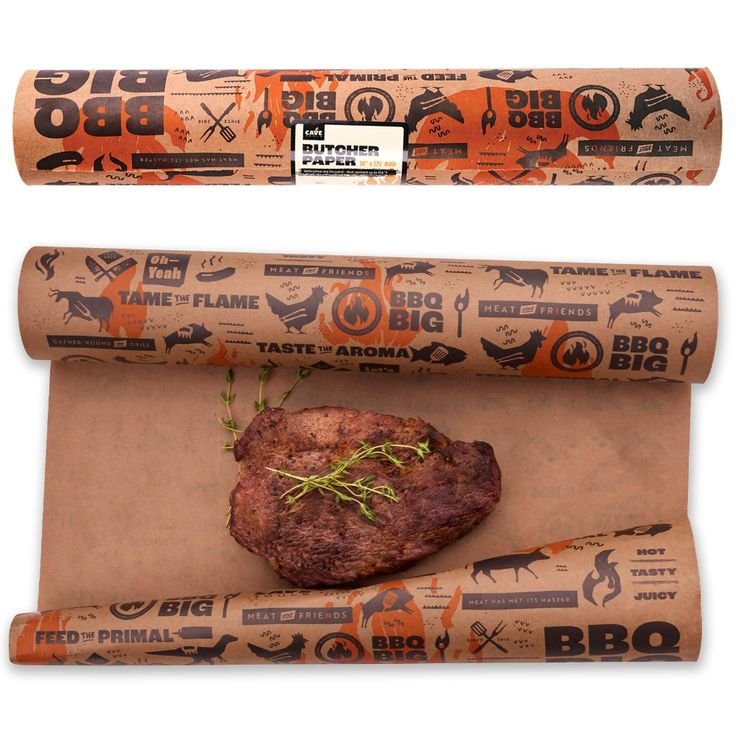
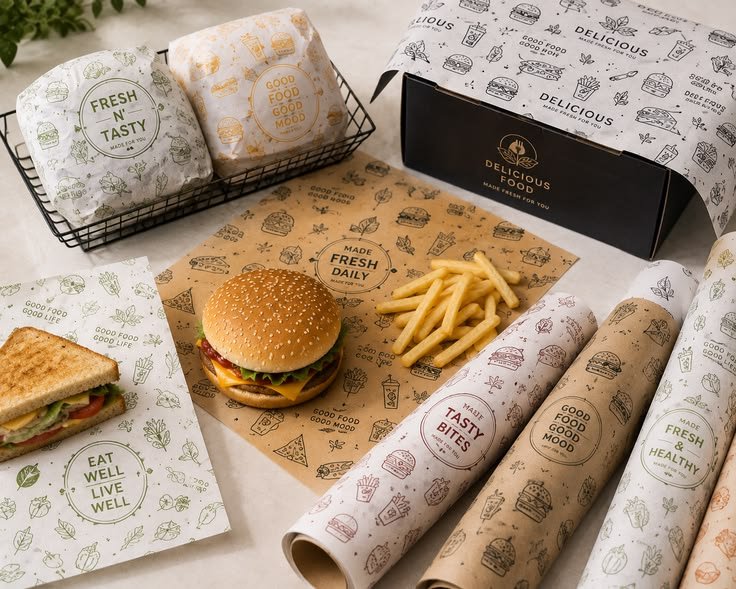
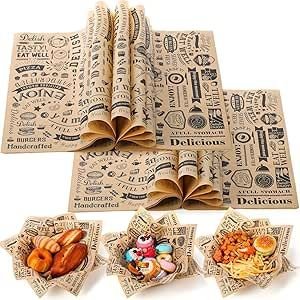
Printed deli paper adds a decorative element to food presentation. Restaurants, cafés, bakeries, and takeaway businesses can use branded paper to display their logos, colors, or unique designs. Custom printing can help create a memorable customer experience and strengthen brand recognition.
4. Unbleached Deli Paper
Unbleached deli paper typically has a natural brown appearance and appeals to businesses seeking a simple, understated packaging style. Depending on the product, it may be a suitable option for brands that prefer a natural-looking presentation. Food-contact suitability and environmental claims should always be verified before purchasing.
5. Interfolded Deli Paper
Interfolded deli paper is arranged so that individual sheets can be dispensed conveniently. This design can help employees access paper quickly during busy service periods while reducing unnecessary handling and improving workflow.
Key Benefits of Using Deli Paper
Deli paper offers several advantages that make it valuable for commercial and residential kitchens.
Improved Food Hygiene
Using fresh sheets of food-safe deli paper helps reduce direct contact between food and potentially contaminated surfaces. It also provides a convenient barrier when handling sandwiches, cheese, baked goods, and other prepared items. Businesses should follow appropriate food safety procedures and use products intended for their specific food-contact application.
Convenient Food Handling
Deli paper makes it easier to wrap, transfer, and serve individual portions. Employees can quickly prepare orders without relying on larger containers for every item. This convenience is especially important in fast-paced restaurants, sandwich shops, cafeterias, and food trucks.
Better Grease Management
Certain deli paper varieties help absorb or resist surface grease, depending on their construction. They can keep serving baskets, trays, and countertops cleaner while making oily foods easier to handle. The correct paper should be selected according to the food’s temperature, moisture content, and fat level.
Attractive Food Presentation
Presentation plays an important role in customer satisfaction. Clean, neatly folded deli paper can make food appear more organized and appealing. Printed designs and custom branding offer additional opportunities to create a professional look for dine-in, takeaway, and delivery orders.
Cost-Effective Packaging
Deli paper is generally lightweight and available in bulk quantities, making it a practical choice for businesses with high packaging requirements. Individual sheets can be used as needed, helping staff manage portions and streamline daily operations.
Popular Applications of Deli Paper
The versatility of deli paper makes it suitable for many food-related activities.
Restaurants and sandwich shops: Deli paper is commonly used to wrap sandwiches, burgers, wraps, and other ready-to-eat meals. It can also line serving baskets and trays.
Delis and grocery stores: Food counters use deli paper to separate and wrap sliced cheese, cold cuts, and selected prepared foods. The paper helps make portioning and customer service more efficient.
Bakeries and cafés: Cookies, pastries, doughnuts, and other baked goods can be placed on suitable deli paper for serving or packaging. Grease-resistant varieties may be particularly useful for buttery products.
Food trucks and takeaway businesses: Portable food businesses benefit from packaging that is lightweight, convenient, and easy to store. Deli paper can simplify food preparation while supporting a neat presentation.
Home kitchens: Deli paper is also useful at home for serving snacks, wrapping suitable foods, separating portions, and lining serving trays when the product is appropriate for that use.
How to Choose the Right Deli Paper
Selecting suitable deli paper involves considering several important factors.
First, identify the type of food you intend to package. Dry foods may require a different paper than greasy, moist, or hot products. Check whether the paper provides the necessary grease or moisture resistance.
Second, consider the sheet size and thickness. Larger sheets may be suitable for burgers and sandwiches, while smaller sheets can work well for cookies, cheese portions, or snack servings. The paper should be strong enough for its intended purpose without creating unnecessary waste.
Third, verify food safety and temperature compatibility. Always choose paper manufactured for the intended food-contact application. Not every deli paper is suitable for microwaving, baking, or direct contact with very hot foods.
Finally, consider branding and purchasing requirements. Plain paper may be ideal for businesses prioritizing simplicity and affordability, while custom-printed paper can support a more distinctive presentation. Buying in bulk may reduce the cost per sheet when storage space and usage levels justify it.
Is Deli Paper Environmentally Friendly?
The environmental impact of deli paper depends on its material, coatings, inks, and disposal conditions. Some uncoated paper products may be recyclable or compostable where appropriate facilities exist. However, paper contaminated with food, grease, wax, or plastic coatings may not be accepted by every recycling or composting program. Businesses interested in sustainable packaging should review product specifications and verify environmental certifications rather than relying on appearance alone. Choosing the correct sheet size, minimizing unnecessary packaging, and purchasing responsibly sourced products can also help support more efficient resource use.
Conclusion
Deli paper is a practical and versatile solution for food wrapping, serving, separating, and presentation. Its benefits include convenient handling, improved cleanliness, grease management, attractive packaging, and potential cost savings for businesses with regular food service needs. Whether used in restaurants, bakeries, grocery stores, food trucks, or home kitchens, the right deli paper can make everyday food preparation more efficient. By considering material, grease resistance, sheet size, food safety, and environmental requirements, buyers can select a product that meets their needs. For businesses seeking reliable food packaging, investing in suitable deli paper is a simple way to improve service efficiency and create a cleaner, more professional experience for customers.