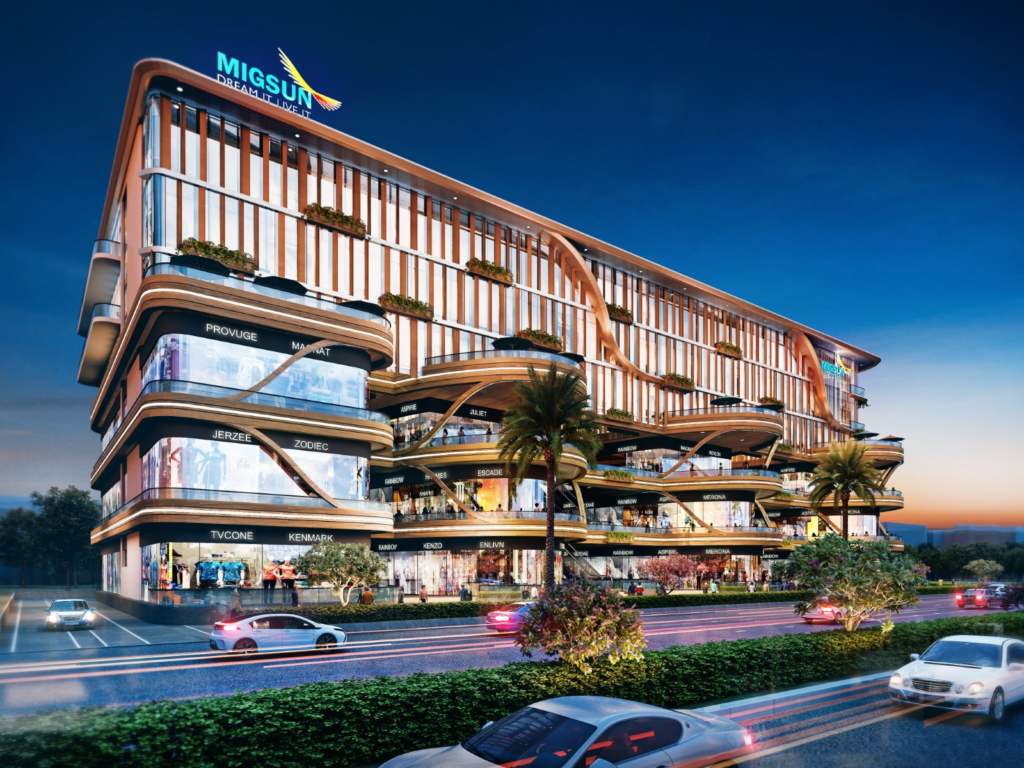
Commercial real estate attracts investors because of its potential for steady income and long-term value retention. Success in this sector relies more on consistent tenant occupancy than on short-term price fluctuations. Key performance drivers include location, infrastructure, and local economic activity, which frequently outweigh the impact of wider market cycles. Investors typically evaluate a property’s performance across different demand phases rather than concentrating solely on the entry price.
Location-Driven Planning and Demand Stability
Location is a primary factor in commercial property returns. Properties near residential areas, transport links, and business hubs generally maintain strong footfall and leasing demand. Retail developments, in particular, depend upon accessibility and visibility. Mixed-use corridors that combine retail, office, and lifestyle spaces are increasingly relevant because they sustain steady demand by attracting a diverse range of tenants.
Rental Yield and Cash Flow Approach
Rental yield is a central consideration in commercial property investment. Unlike speculative assets, commercial properties are valued for consistent rental income. Lease terms, tenant quality, and escalation clauses determine cash flow predictability. A sound investment strategy prioritises sustained occupancy instead of short-term gains. Diversifying tenant profiles within a development can further stabilise income.
Project Stage and Execution Quality
The development stage significantly affects risk and return in commercial real estate. Early-stage projects involve construction and delivery risks, while near-completion assets focus on leasing and operational availability. Effective infrastructure planning, unit design, and common areas increase operational efficiency. In Ghaziabad’s emerging retail corridors, projects like Migsun Delta Street demonstrate how mixed-use developments are adjusting to evolving consumer needs. As the project nears possession, investors can assess leasing momentum, tenant interest, and operational capability, all of which prove critical for lasting growth.
Risk Factors and Market Sensitivity
Commercial real estate is affected by various external variables, including economic cycles, interest rate changes, and shifts in consumer spending. Vacancy risk is significant, particularly where supply outpaces demand. Lease renewals and tenant stability are important to long-term performance. Investors evaluate the depth of local demand, including residential populations, offices, and educational institutions. Regulatory and tax changes also impact returns, making continuous due diligence essential.
Developer Credibility and Market Feedback
A developer’s track record affects confidence in completion deadlines and construction quality. Investors review past project execution, leasing outcomes, and compliance with specifications before making decisions. Market feedback helps set expectations for maintenance and long-term value retention. In some cases, informal assessments, such as Migsun Group review discussions across investor communities and property forums, give insights into how previous projects have performed in terms of delivery and usability, though such feedback is often mixed and should be balanced against verified data and official documentation.
Investment Horizon and Exit Approach
A long-term commercial real estate strategy demands clarity on holding periods and exit plans. Investors pursue both capital appreciation and rental income, but the timing of exits depends on market liquidity and local demand. Reinvestment, redevelopment potential, and resale demand all affect returns. Holding through several rental cycles can stabilise gains, especially in developing commercial zones.
Successful commercial real estate investment balances patience with thorough analysis. Asset performance depends on location, tenant mix, development quality, and the general economic environment. Long-term results are achieved when these factors align consistently, and the property adapts to developing demand.