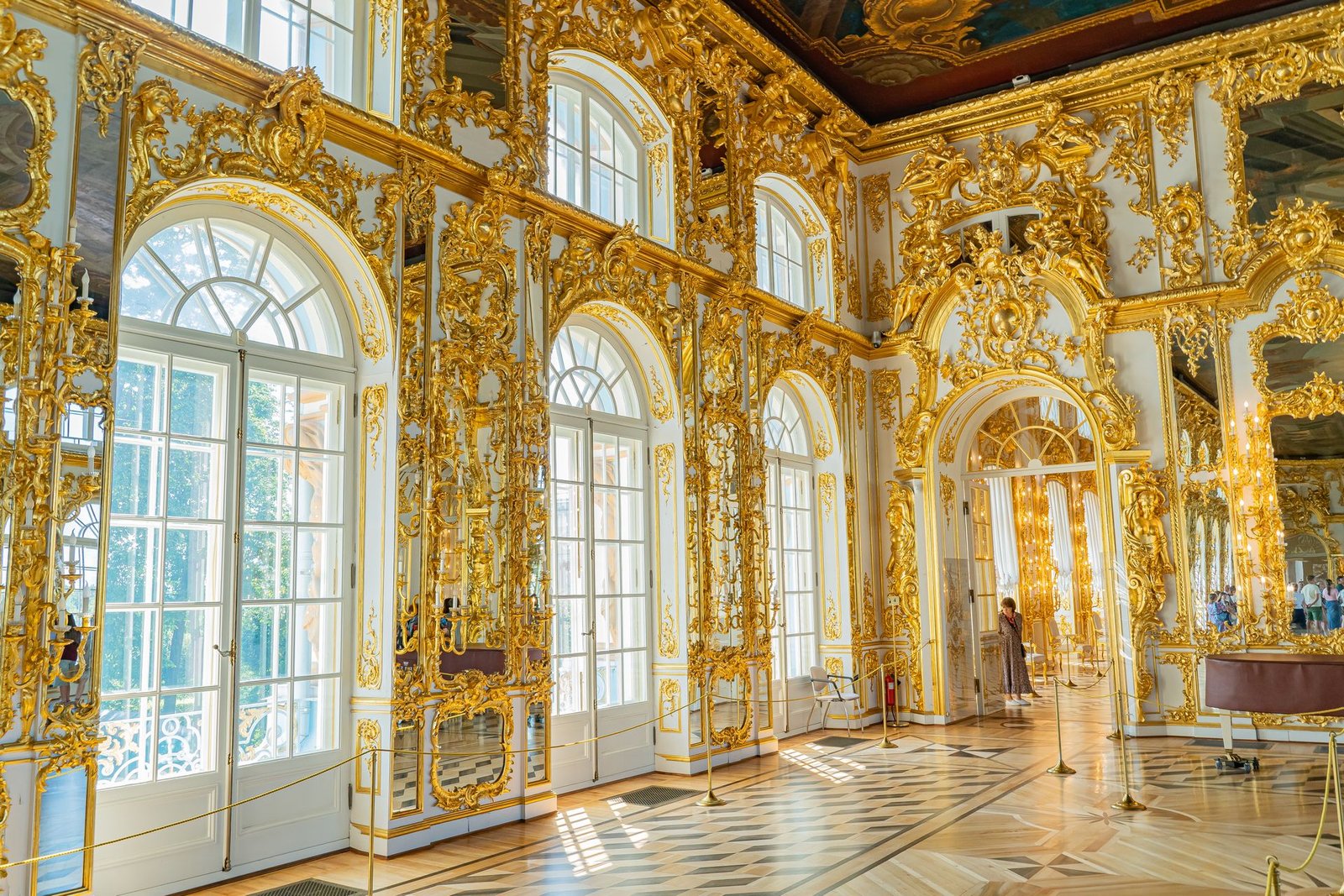
Gold gilding is a traditional decorative technique that brings elegance, warmth, and a distinctive metallic finish to a wide range of surfaces. From ornate picture frames and furniture to architectural details, sculptures, and heritage objects, gold gilding can transform ordinary materials into refined decorative features.
However, achieving a high-quality finish requires more than simply applying gold leaf. Surface preparation, material selection, application techniques, and protective finishing all influence the final result. Choosing professional custom gold gilding services can help ensure that each project receives the attention, craftsmanship, and finishing approach it deserves.
Whether you are restoring a treasured antique or creating a bespoke decorative feature, understanding the gilding process can help you make informed decisions and achieve results that complement your vision.
What Are Custom Gold Gilding Services?
Custom gold gilding services involve applying gold leaf or suitable gold-effect materials to selected surfaces to create decorative metallic finishes. The process can be tailored to the shape, condition, material, and intended appearance of each item.
Unlike standard decorative painting, professional gilding often involves specialised preparation and careful application to achieve a refined metallic surface.
Traditional Gold Leaf Gilding
Traditional gold leaf gilding uses extremely thin sheets of gold applied to a prepared surface. Genuine gold leaf provides a distinctive reflective quality and can be used for detailed decorative work.
This technique is commonly associated with picture frames, ornamental furniture, sculptures, decorative lettering, and selected architectural features.
Bespoke Decorative Gilding
Custom gilding allows the finish to be designed around a specific project. Depending on the brief, this may involve different gold tones, selected surface textures, intricate detailing, or a combination of gilding techniques.
A bespoke approach is particularly useful when a decorative object has unusual dimensions, detailed ornamentation, or a specific visual style that standard finishing methods cannot easily reproduce.
Why Choose Professional Custom Gold Gilding Services?
Gold leaf is delicate, and even small inconsistencies can affect the final appearance. Professional gilders understand how different materials behave and how preparation and application methods influence the finished surface.
Achieve a Refined Metallic Finish
Professional gilding can create a smooth, visually consistent finish while preserving the detail of decorative surfaces. Careful application is especially important around carved edges, corners, mouldings, and intricate patterns.
The appropriate technique depends on the substrate, the desired appearance, and whether the object is decorative, functional, or historically significant.
Benefit from Specialist Craftsmanship
Experienced gilders understand the importance of selecting compatible adhesives, preparing surfaces correctly, and handling delicate gold leaf.
Their knowledge can be particularly valuable when working with ornate furniture, sculptures, antique frames, and decorative architectural elements.
Tailor the Finish to Your Design
Custom gilding can be adapted to suit traditional, contemporary, minimalist, or ornate design styles. Depending on the project, the finish may be bright and reflective, softly aged, or combined with contrasting colours and textures. This flexibility allows the gilded surface to complement the surrounding design rather than appear disconnected from it.
Common Applications of Custom Gold Gilding
Gold gilding is suitable for many decorative applications, from small personal objects to larger interior design features.
Gold Gilding for Furniture
Gold leaf can enhance furniture details such as carved borders, decorative panels, table edges, cabinet features, and ornamental legs.
A carefully selected finish can introduce visual contrast against timber, painted surfaces, or other materials. For restoration projects, the method should also consider the original finish and the condition of the furniture.
Picture Frames and Mirrors
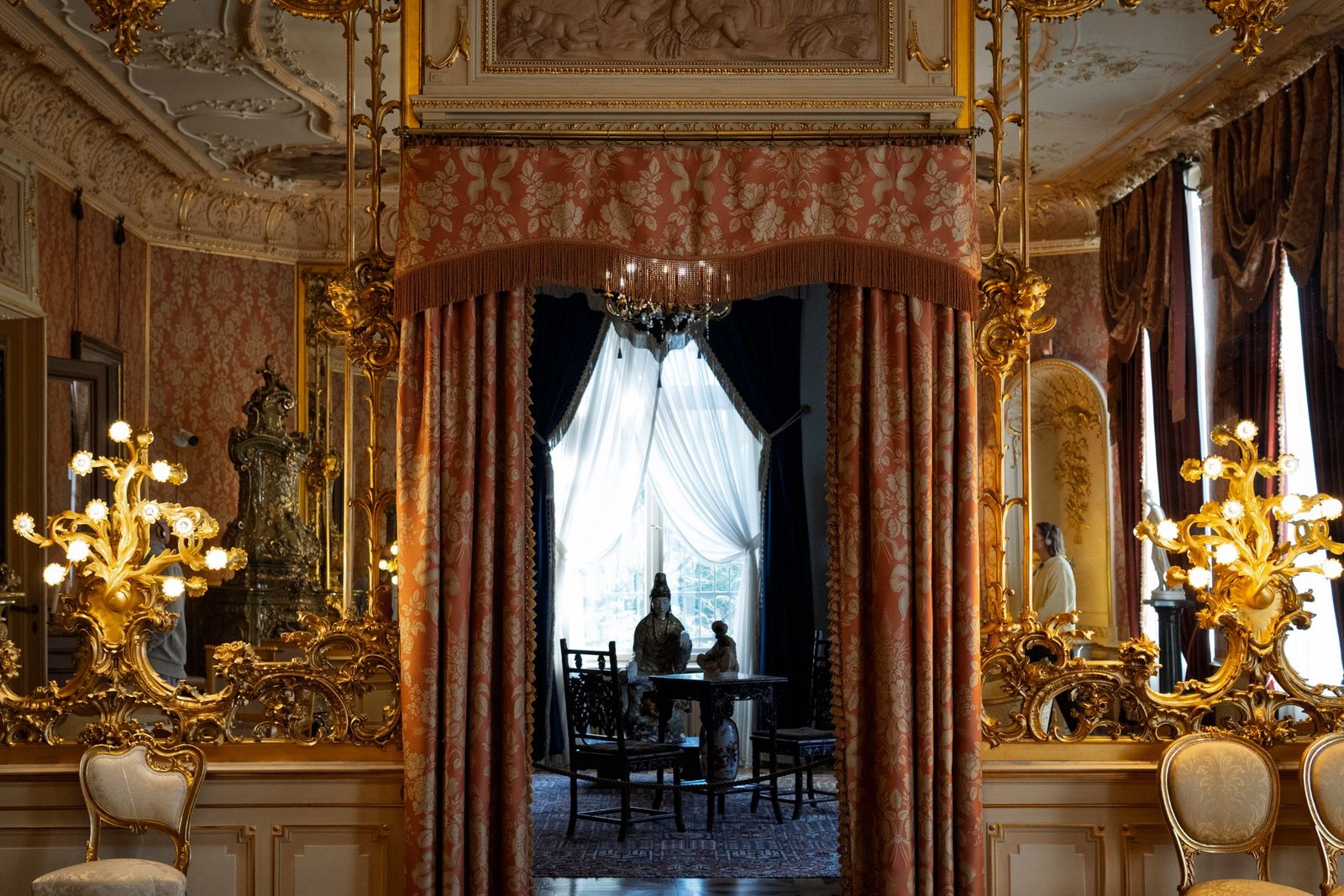
Gold-gilded frames and mirror surrounds can add depth and elegance to artwork and interior spaces. Traditional gilding techniques are particularly useful for frames featuring carved patterns, ornamental details, and complex profiles. A suitable finish can help emphasise the craftsmanship of the frame without distracting from the artwork it surrounds.
Architectural and Interior Details
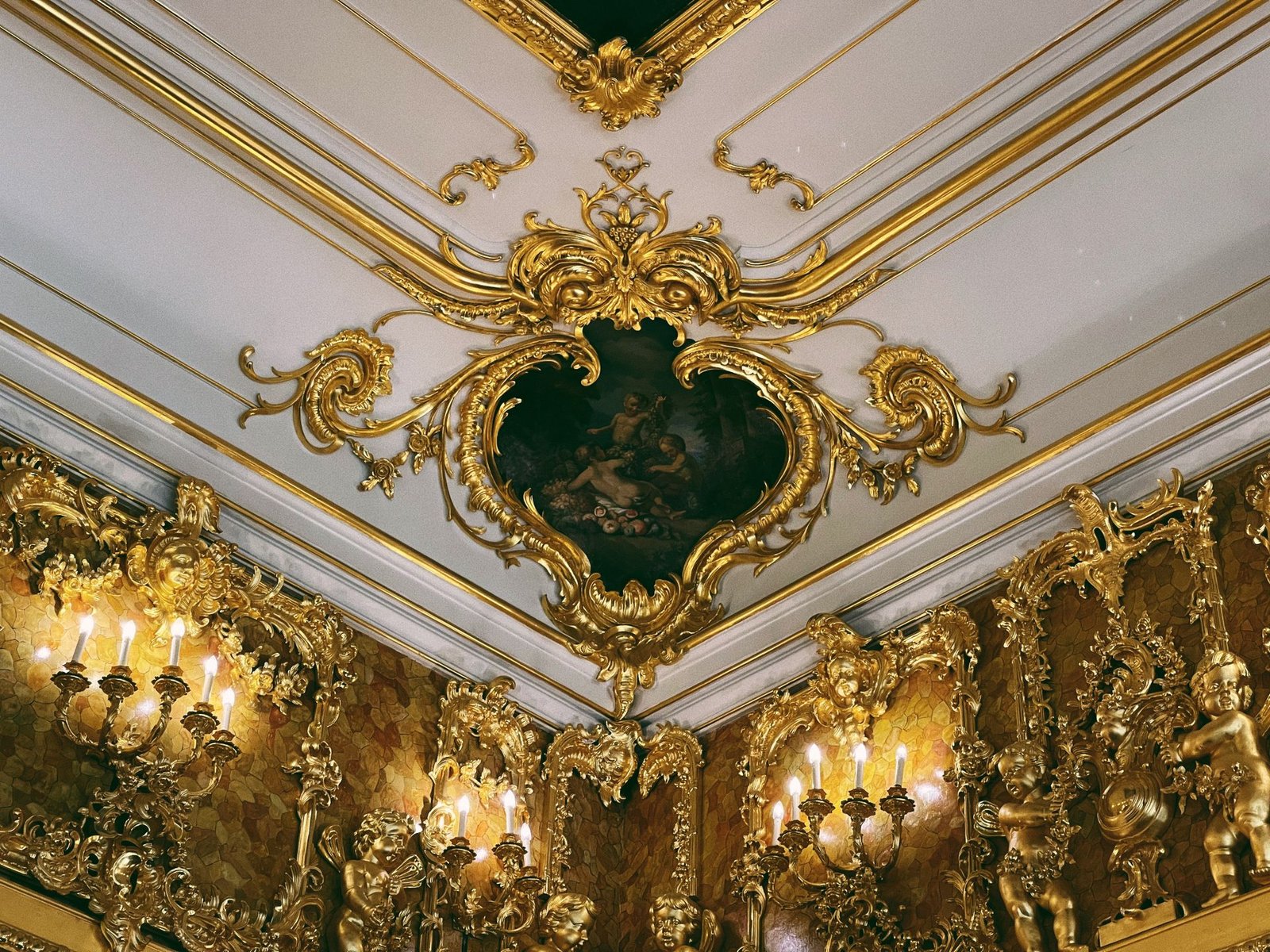
Decorative mouldings, columns, ceiling features, wall panels, and selected interior elements can benefit from gold gilding. For architectural projects, it is important to assess the substrate, environmental conditions, accessibility, and expected level of wear before selecting a gilding system.
Sculptures and Decorative Objects
Gold gilding can highlight the contours and details of sculptures, ornaments, and artistic objects. Depending on the design, the finish can emphasise selected features or cover a larger surface to create a unified metallic appearance. For valuable or delicate objects, a professional assessment can help determine the safest approach.
The Custom Gold Gilding Process Explained
Understanding the stages involved in professional gilding can help you evaluate a service provider and set realistic expectations.
Project Assessment
The process begins with an assessment of the item, its material, condition, and intended use. The gilder should also discuss the desired colour, level of reflectivity, texture, and overall style. For restoration work, identifying the original materials and existing finishes is particularly important.
Surface Preparation
The surface must be suitable for the selected gilding system. Depending on its condition, preparation may involve cleaning, stabilizing loose areas, repairing damage, sanding, priming, or applying a specialised ground. Inadequate preparation can lead to inconsistent adhesion and visible imperfections.
Adhesive Application
The appropriate gilding adhesive or preparation system is applied according to the chosen technique. The product must be compatible with the substrate and used under suitable conditions. Application and drying requirements vary between systems.
Gold Leaf Application
The gold leaf is carefully positioned on the prepared surface. Professional handling is especially important when working around fine details, carved sections, edges, and narrow decorative elements. The gilder checks the surface for gaps, wrinkles, and other imperfections and addresses them where the technique allows.
Final Finishing and Inspection
Once the leaf has been applied, the surface is inspected and finished according to the project requirements. Depending on the method, this may involve gentle brushing, appropriate burnishing, selective detailing, or the application of a compatible protective coating. The completed surface should be assessed for consistency, adhesion, and suitability for its intended environment.
How to Choose the Right Gold Gilding Specialist
Selecting a suitable provider is an important part of achieving a successful result. Consider the following factors before commissioning a project.
Review Previous Gilding Projects
Ask to see examples of completed work similar to your project. Photographs of furniture, frames, sculptures, or architectural details can help you evaluate the provider’s style and attention to detail. Where possible, look for examples that demonstrate the type of finish and level of complexity you require.
Ask About Materials and Techniques
A reliable provider should be able to explain the proposed gilding method, the materials being used, and the reasons for choosing them. Ask whether genuine gold leaf or a gold-effect alternative is proposed. These materials can differ in appearance, durability, cost, and maintenance requirements.
Request a Clear Quote
Before work begins, ask for a written quotation that outlines the project scope, preparation requirements, materials, finishing process, expected timeframe, and payment terms. For complex restoration work, clarify how unexpected damage or additional preparation will be handled.
Check Restoration Experience Where Relevant
If the project involves an antique or historically significant object, look for experience in conservation-aware restoration. Aggressive sanding, unsuitable adhesives, or incompatible coatings may damage original materials. The priority should be to preserve the object’s integrity while achieving an appropriate finish.
Factors That Affect the Cost of Custom Gold Gilding
The cost of custom gold gilding services can vary significantly depending on the project’s size, condition, complexity, and material requirements.
Size and Surface Complexity
Larger surfaces generally require more materials and labour. Intricate carvings, narrow edges, decorative patterns, and difficult-to-access areas may also increase the time needed to complete the work.
Choice of Materials
Genuine gold leaf, alternative metal leaf, adhesives, specialist grounds, and protective finishes have different costs. The material should be selected according to the desired appearance, budget, and application.
Preparation and Restoration Requirements
An item that is already in good condition may require less preparation than one with damaged coatings, loose ornamentation, or previous restoration work. A professional assessment helps establish the work involved before the final price is agreed upon.
Level of Detail and Finishing
Projects requiring highly detailed ornamentation, specialist burnishing, colour matching, or a bespoke aged finish may involve additional time and expertise. When comparing quotations, consider the quality and scope of the proposed work rather than price alone.
Maintaining Gold-Gilded Surfaces
Appropriate maintenance can help preserve the appearance of gilded objects. The correct approach depends on the materials, protective finish, and environment.
Use Gentle Cleaning Methods
Gold leaf can be extremely delicate, particularly where it is unsealed or applied over a fragile surface. Avoid abrasive cloths, harsh cleaning agents, and vigorous rubbing. Follow the care instructions provided by the gilder, especially for antique frames and decorative objects.
Protect Against Physical Damage
Gilded details on furniture, doors, and frequently handled objects may be more vulnerable to wear. Consider how the item will be used and whether the selected finishing system offers suitable protection.
A protective coating may be appropriate for some applications, but it should be compatible with the leaf and intended appearance.
Manage Environmental Conditions
Excessive moisture, temperature fluctuations, and unsuitable cleaning products can affect the underlying materials or protective coating. For valuable or historic pieces, seek specialist advice before undertaking repairs or attempting to restore the finish.
Custom Gold Gilding for Modern and Traditional Designs
Gold gilding can work across a variety of interior styles when the finish is selected carefully. Traditional interiors may feature ornate gold-gilded frames, decorative mouldings, carved furniture, and classical ornamentation. Contemporary spaces may use more restrained accents on furniture, mirrors, panels, or sculptural objects.
The key is to balance the metallic finish with the surrounding colours, textures, lighting, and materials. A carefully designed gilding treatment can create visual interest without overwhelming the overall space.
Conclusion
Choosing professional custom gold gilding services can help transform furniture, artwork, architectural details, and decorative objects through careful craftsmanship and appropriate finishing techniques. From traditional water gilding and oil gilding to bespoke decorative applications, the right method depends on the substrate, project requirements, desired appearance, and expected use.
Before selecting a provider, review their previous work, discuss materials and techniques, and request a clear quotation. With suitable preparation, skilled application, and appropriate maintenance, gold gilding can provide a distinctive decorative finish that enhances the character and visual appeal of a wide range of objects.