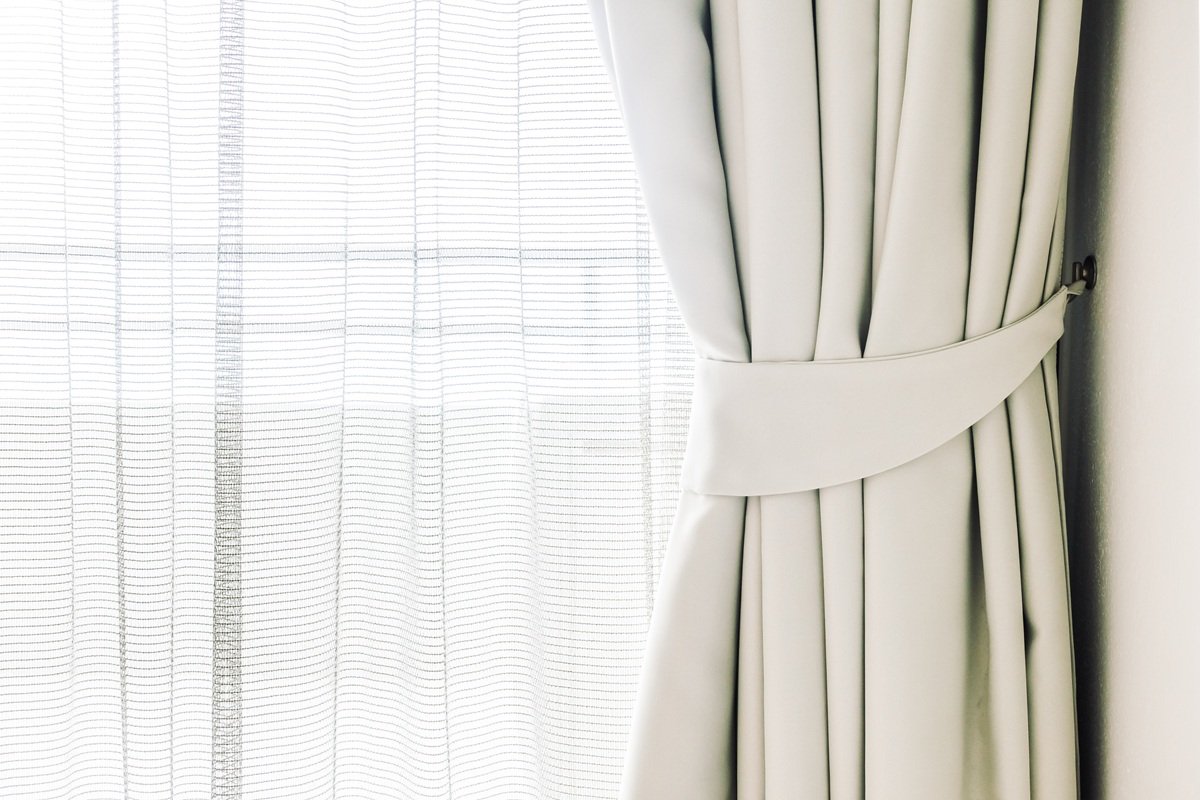
Curtains are an important part of home interiors. They provide privacy, control natural light, improve comfort, and add colour and personality to a room. Choosing the right curtains can completely transform the appearance of your living spaces while complementing your furniture, walls, flooring, and overall décor. With many fabrics, colours, patterns, and styles available, selecting curtains that suit your home requires careful consideration.
Why Are Curtains Important for Your Home?
Curtains are more than simple window coverings. They can influence the atmosphere and functionality of almost every room in your house. The right curtains can make a room feel warmer, brighter, larger, or more elegant.
Improve Privacy
One of the primary purposes of curtains is to provide privacy. Bedrooms, bathrooms, living rooms, and street-facing windows can benefit from suitable window coverings. Depending on the fabric and thickness, curtains can prevent people outside from seeing into your home while still allowing you to enjoy natural light.
Control Natural Light
Different rooms require different levels of natural light. Lightweight curtains can allow soft daylight into a room, while heavier curtains can block stronger sunlight when required.
This flexibility makes curtains particularly useful in bedrooms and living areas. You can choose fabrics according to how much light you want to enter the room throughout the day.
Choose Curtains According to Your Room
Every room has different requirements, so selecting curtains based on the purpose of the space can help you achieve better results.
Living Room Curtains
The living room is often one of the most visible areas of a home. Stylish curtains can create a polished appearance and complement sofas, rugs, artwork, and other furnishings.
For a modern interior, neutral-coloured curtains can create a clean and sophisticated look. If your living room has simple furniture and plain walls, patterned curtains can introduce an attractive decorative element.
Bedroom Curtains
Bedrooms should feel comfortable, relaxing, and private. Blockout or lined curtains can be a suitable choice because they can reduce incoming light and create a darker environment.
Soft colours such as beige, cream, grey, blue, or other muted tones can contribute to a calm atmosphere while matching the existing bedroom décor.
Kitchen Curtains
Kitchen windows may require curtains that are practical and easy to maintain. Lightweight fabrics can be useful where ventilation and natural light are important.
When selecting kitchen curtains, consider their distance from cooking areas and choose materials that are suitable for the environment.
Select the Right Curtain Fabric
Fabric plays a major role in the appearance and performance of curtains. Different materials create different visual effects and levels of light control.
Lightweight Fabrics
Lightweight curtains can create an airy and relaxed appearance. They allow more natural light to pass through and are suitable for rooms where you want to maintain a bright atmosphere.
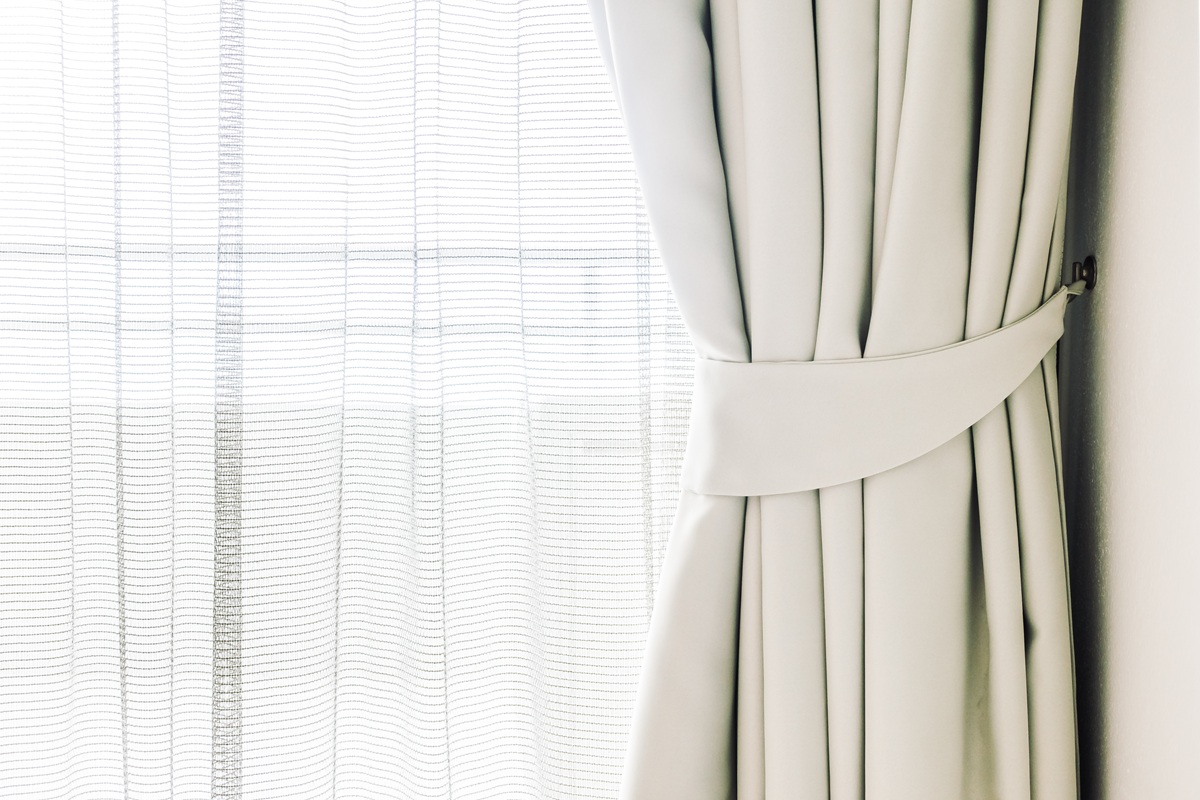
Sheer-style fabrics can also be layered with heavier curtains for greater flexibility.
Heavyweight Fabrics
Heavier fabrics can provide enhanced privacy, light control, and insulation. They can also create a luxurious appearance, making them suitable for bedrooms, formal living rooms, and other spaces where a more sophisticated style is desired.
Easy-Care Materials
For busy households, easy-care fabrics can be a practical choice. Before purchasing curtains, check the manufacturer’s cleaning and maintenance recommendations to ensure the material is suitable for your lifestyle.
Choose Colours That Complement Your Interior
Colour is one of the most important factors when choosing curtains. Your curtains should work with the existing colours in the room rather than competing with them.
Neutral Curtains
Neutral colours such as white, cream, beige, taupe, and grey are versatile choices. They can complement a variety of interior styles and make it easier to update other furnishings in the future.
Bold Colours
If your room features neutral walls and furniture, bold curtains can create a striking focal point. Deep blue, green, earthy tones, or other strong colours can add personality without requiring major changes to the rest of the room.
Matching Existing Décor
Consider the colours of your walls, sofa, carpet, flooring, cushions, and artwork before selecting curtains. A coordinated colour scheme can create a balanced and visually appealing interior.
Consider Patterns and Designs
Patterns can add character to your home, but they should be selected carefully.
Simple Patterns
Subtle patterns can add visual interest while maintaining a sophisticated appearance. They are particularly useful when other elements in the room already have strong colours or designs.
Statement Patterns
Large or bold patterns can become a focal point. If you choose statement curtains, consider keeping other decorative elements relatively simple so the room does not feel overcrowded.
Pay Attention to Curtain Length and Width
Correct measurements are essential for achieving an attractive finish. Curtains that are too short or narrow may look out of proportion, while oversized curtains may create unnecessary bulk.
Floor-Length Curtains
Floor-length curtains can create an elegant appearance and make windows appear taller. They are especially popular in living rooms and bedrooms.
Proper Width
Curtains should provide enough fabric to cover the window effectively when closed. Additional fullness can also create attractive folds and a more luxurious appearance.
Choose Curtains for Better Comfort
Curtains can contribute to overall indoor comfort by helping manage sunlight and temperature. Depending on the fabric and lining, they can reduce direct sunlight entering through windows and provide an additional layer between the interior and exterior.
In rooms exposed to strong sunlight, selecting suitable curtains can help reduce glare and create a more comfortable environment during the day.
Think About Your Home’s Interior Style
Your curtains should complement your home’s overall design.
Modern Interiors
Minimalist colours, clean lines, and simple fabrics often work well in modern homes. Neutral curtains can create a sleek and contemporary appearance.
Traditional Interiors
Traditional homes may benefit from richer fabrics, classic patterns, decorative details, or layered window treatments.
Contemporary Interiors
Contemporary spaces provide greater flexibility. You can combine neutral colours with subtle patterns or select bold curtains to create an interesting feature.
Conclusion
Choosing the right curtains can make a significant difference to the appearance and comfort of your home. From improving privacy and controlling natural light to adding colour and elegance, curtains combine practical and decorative benefits.
Before making your selection, consider the room, fabric, colour, pattern, measurements, and interior design style. By choosing curtains that complement your existing décor and meet your practical requirements, you can create stylish, comfortable, and inviting spaces throughout your house.