Scalp micropigmentation is a cosmetic technique designed to improve the appearance of thinning hair, receding hairlines, and bald areas by creating tiny follicle-like impressions on the scalp. Because the treatment involves carefully selected pigmentation, people with lighter complexions often wonder whether the results can look natural and well blended. For those considering Scalp Micropigmentation in Abu Dhabi, light skin tone is not generally a barrier to achieving an effective SMP appearance. Instead, the focus is on selecting a suitable pigment shade, creating appropriate density, and designing the follicle pattern to complement the individual’s natural hair and complexion. SMP can be adapted to different skin tones because the pigment and placement are customized rather than applied according to a single standard formula.
What Is Scalp Micropigmentation?
Scalp micropigmentation, commonly referred to as SMP, is a cosmetic procedure that places very small pigment impressions into the scalp. These impressions are designed to resemble natural hair follicles and can create the appearance of short, closely cropped hair. SMP can also make thinning areas look visually denser by reducing the contrast between the scalp and surrounding hair.
Unlike procedures that aim to regenerate or transplant hair, scalp micropigmentation does not create new hair follicles. Its purpose is to improve the visual appearance of hair loss. This makes it suitable for people with different levels of hair loss, including those who still have considerable natural hair and those with extensive baldness.
Is SMP Suitable for Light Skin?
Yes, scalp micropigmentation can work effectively on light skin tones. Having a lighter complexion does not automatically prevent someone from achieving a natural-looking SMP result. The most important consideration is creating enough contrast to reproduce the appearance of individual follicles without making the pigmentation look overly dark or artificial.
Light skin can make differences in pigment shade more noticeable, so careful customization is particularly important. The selected shade should complement the person’s natural hair and complexion while maintaining the visual characteristics of closely cropped follicles.
Rather than treating light skin as a limitation, SMP planning should consider it as one of the factors that determines the appropriate pigmentation strategy.
Why Is Pigment Selection Important on Light Skin?
Pigment selection is one of the most important aspects of achieving a convincing SMP appearance on lighter skin. A shade that is excessively dark compared with the natural complexion can create a stronger visual contrast than intended. Conversely, a shade that is too subtle may not produce enough definition.
The objective is to create tiny impressions that resemble natural follicles rather than obvious dots on the scalp. Cleveland Clinic explains that SMP uses pigment dots that vary in size, angle, and depth to create a natural, hair-like appearance.
For light skin, this principle is especially relevant because the difference between the scalp and pigment can be visually prominent. Gradual density and appropriate shade selection can help the impressions blend more naturally with the surrounding hair.
Can SMP Look Natural on Pale Skin?
SMP can be designed to look natural on pale or very light skin when the pigmentation is appropriately customized. Natural-looking results depend on more than simply matching the hair color. The scalp complexion, hair density, hairstyle, hairline shape, and desired visual effect all influence the final appearance.
A natural hairline should not look like a solid painted boundary. Instead, follicle-like impressions can be arranged with subtle variations in spacing and density to imitate the irregular pattern of real hair growth.
For someone with very light skin and dark hair, the goal is usually to reduce the visual gap between the scalp and hair without creating an excessively strong pigmentation effect.
Can SMP Work With Existing Hair on Light Skin?
Yes. SMP can be especially useful for people who still have natural hair but notice increased scalp visibility. When hair becomes thinner, the lighter scalp can contrast strongly with darker strands, making the hair appear less dense.
Pigment impressions can be positioned between existing follicles to reduce this contrast. The result can create the visual impression of greater density without changing the person’s natural hair.
This approach can be useful around the crown, temples, frontal hairline, or other areas where thinning has become noticeable. Because the natural hair remains visible, the pigmentation can act as a visual enhancement rather than creating an entirely new appearance.
Can SMP Define a Receding Hairline on Light Skin?
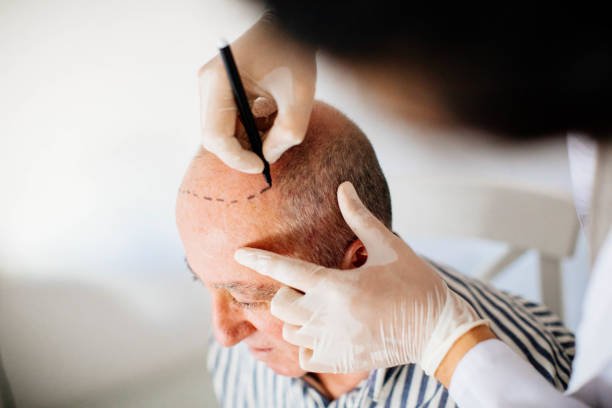
A receding hairline can be visually noticeable on light skin because the forehead and scalp may contrast strongly with darker remaining hair. SMP can help create the appearance of a more defined frontal hairline by introducing follicle-like pigment impressions in carefully selected areas.
The hairline should be designed to suit the person’s facial structure rather than simply being placed as far forward as possible. Cleveland Clinic notes that factors such as facial structure, age, and head shape can be considered when creating a hairline for someone experiencing baldness.
A gradual transition can make the simulated follicles appear more realistic. The objective is to create definition while maintaining the appearance of natural short hair.
Does Hair Color Matter for Light Skin?
Hair color is an important consideration when designing SMP on light skin. People with dark brown or black hair may require a different visual approach from those with lighter brown, blond, gray, or mixed-color hair.
The pigment should complement the appearance of the natural follicles rather than simply copying the visible color of longer hair strands. When the scalp is very light, an overly strong pigment can become more noticeable, while insufficient definition may fail to create the desired density effect.
This is why SMP should be customized to the relationship between hair color and skin tone instead of using a universal shade.
Can SMP Cover Complete Baldness on Light Skin?
Yes. Scalp micropigmentation can create the appearance of closely shaved hair even when natural hair is absent. This can give a completely bald scalp a more defined hairline and the visual impression of follicular coverage.
On light skin, the transition between the forehead and simulated follicles can be particularly important. A carefully designed hairline can create facial balance without appearing artificially drawn.
The overall pigmentation can also be adjusted to create a realistic shaved-head effect. The goal is to reproduce the appearance of individual follicles rather than cover the scalp with a uniform layer of color.
Can SMP Improve the Appearance of Thin Hair?
SMP can make thinning hair appear fuller by adding visual follicular density to areas where more scalp is visible. Cleveland Clinic describes SMP as a way to make thinning hair appear thicker and to conceal areas of reduced density.
For people with light skin, this can be particularly useful because scalp show-through may be more apparent when there is strong contrast between the scalp and surrounding hair.
The technique does not increase the actual number of hairs. Instead, it changes the visual relationship between the scalp and existing follicles, helping create a more uniform appearance.
What Makes SMP Look Natural on Light Skin?
Natural-looking SMP depends on subtlety, proportion, and careful pigment placement. The impressions should resemble individual follicles and should not form an overly regular pattern.
Density can also be adjusted according to the amount of natural hair present. Someone with significant existing hair may need a different visual approach from someone with complete baldness.
Hairline design is equally important. A softly transitioning hairline with natural-looking variation can complement the face more effectively than an extremely straight or sharply defined boundary.
Lighting should also be considered when evaluating the appearance of SMP. A well-designed result should remain visually balanced under different everyday lighting conditions rather than appearing natural only in one environment.
Does Light Skin Require a Special SMP Approach?
The basic SMP technique remains the same, but the pigmentation strategy should be individualized for lighter complexions. Skin tone, hair color, hair density, scalp characteristics, and the desired hairstyle all influence how the final result should be designed.
Because light skin can provide greater contrast against darker pigment, excessive density or an unsuitable shade may be more noticeable. A controlled and customized approach can help maintain the appearance of natural follicular texture.
This does not mean that people with light skin require an entirely different treatment. It means that personalization is essential for achieving the desired visual balance.
Is Scalp Micropigmentation a Good Option for Light Skin Tones?
Scalp micropigmentation can be a suitable cosmetic option for people with light skin tones who want to improve the appearance of thinning hair, baldness, scalp show-through, or a receding hairline. A lighter complexion does not prevent SMP from creating a natural-looking result.
The key considerations are pigment selection, follicle spacing, density, hairline design, and compatibility with existing hair. When these elements are carefully coordinated, SMP can create the appearance of fuller, more defined hair while maintaining a realistic follicular pattern.
It is important to remember that SMP provides a cosmetic illusion rather than biological hair restoration. It does not create new follicles or cause new hair to grow. Instead, it offers a way to visually strengthen the appearance of the scalp and hairline.
For people with light skin who want a defined, closely cropped appearance or greater visual density, customized scalp micropigmentation can be a versatile and long-lasting cosmetic approach.
FAQs
Can people with light skin get scalp micropigmentation?
Yes. SMP can be adapted to light, medium, and darker complexions. The pigment shade and placement can be customized to complement the individual’s skin and hair.
Does SMP look natural on very light skin?
Yes. A natural-looking result can be achieved when the pigment shade, density, spacing, and hairline design are appropriately matched to the person’s complexion and existing hair.
Can SMP make thinning hair look thicker on light skin?
Yes. SMP can reduce the visual contrast between the scalp and existing hair, creating the appearance of greater follicular density in thinning areas.
Can SMP create a hairline on pale skin?
Yes. SMP can create the appearance of a defined hairline using carefully placed follicle-like impressions. The design can be adjusted to suit facial proportions and the desired hairstyle.
Can completely bald people with light skin have SMP?
Yes. SMP can create the visual appearance of closely shaved follicles across a completely bald scalp. A customized hairline and appropriate pigmentation can help produce a balanced, natural-looking appearance.