Age spots are flat, brown, tan, or dark patches that commonly appear on areas of the skin exposed to sunlight over many years. They are often visible on the face, hands, shoulders, and other exposed areas, making the complexion appear uneven. People exploring Pico Laser Treatment in Abu Dhabi often want to understand whether this advanced laser procedure can help reduce age spots and restore a more uniform skin tone. Pico laser treatment uses ultra-short pulses of laser energy to target selected pigmentation, helping the body gradually clear fragmented pigment particles. Its suitability and effectiveness depend on the type of pigmentation, skin characteristics, and the underlying cause of the spots.
What Is Pico Laser Treatment?
Pico laser treatment is a non-surgical skin procedure that delivers laser energy in extremely short pulses, measured in picoseconds. These rapid pulses interact with targeted pigment in the skin, breaking it into smaller particles that the body’s natural processes can gradually remove.
Unlike treatments that rely primarily on prolonged heating, pico laser technology emphasizes a photoacoustic effect, in which rapid energy delivery helps disrupt pigment. This makes it a useful option for addressing selected pigmentation concerns, including certain sun spots, age spots, and other forms of unwanted discoloration.
The procedure can be performed using different wavelengths and settings depending on the pigmentation being treated. The appropriate approach depends on the spot’s characteristics, its depth, and the surrounding skin. A careful assessment is essential because not every dark patch has the same cause or responds equally well to laser treatment.
How Can Pico Laser Treatment Help With Age Spots?
Pico laser treatment may help improve age spots by targeting concentrated pigment within the skin. The laser energy breaks the pigment into smaller fragments, which can then be gradually processed and cleared by the body’s natural mechanisms. As the pigment becomes less prominent, treated areas may appear lighter and blend more evenly with the surrounding complexion.
Age spots often develop after repeated exposure to ultraviolet radiation, which can stimulate pigment production in the skin. Over time, this pigment may accumulate in localized areas, creating clearly visible brown patches. Pico laser technology can target this concentrated discoloration without requiring the same type of broad surface resurfacing associated with some other laser procedures.
The degree of improvement varies according to the size, color, depth, and number of spots. Some age spots may respond noticeably, while others may require additional sessions or a different treatment approach. The goal is to reduce unwanted pigmentation and improve overall skin tone rather than guarantee complete removal.
What Makes Pico Laser Different From Other Pigmentation Treatments?
Pico laser technology is distinguished by its extremely short pulse duration. These rapid pulses deliver energy to targeted pigment over a very brief period, creating a strong photoacoustic effect that helps fragment pigment particles.
Some other laser treatments rely more heavily on thermal energy to address pigmentation. Pico lasers can offer a different way to target selected pigment, making them useful for particular skin concerns when appropriate settings are chosen. However, no single laser technology is automatically the best option for every type of discoloration.
The choice between pico laser treatment and another pigmentation procedure depends on the diagnosis, skin tone, pigment depth, and treatment goals. For example, superficial sun spots may respond differently from deeper pigmentation or discoloration associated with hormonal changes. Understanding these differences helps establish a treatment plan that is appropriate for the specific concern.
Which Types of Age Spots Can Pico Laser Treatment Address?
Pico laser treatment may be considered for solar lentigines, commonly known as sun spots or age spots. These flat patches often develop on sun-exposed areas and can range from light brown to darker brown. They may become more noticeable with increasing age and cumulative ultraviolet exposure.
The treatment may also be useful for selected forms of benign pigmentation that resemble age spots. However, identifying the type of pigmentation is essential before choosing a procedure. Freckles, melasma, post-inflammatory hyperpigmentation, and other pigmented lesions can have different causes and may require different treatment strategies.
Not every dark spot should be treated as ordinary age-related pigmentation. A new, changing, irregular, or unusual spot needs appropriate medical evaluation before any cosmetic laser procedure is considered. Correct identification helps ensure that treatment is directed at a suitable concern rather than an undiagnosed skin condition.
What Happens During a Pico Laser Session?
A pico laser session generally begins with an assessment of the skin and the pigmentation being addressed. The treatment professional evaluates the spots, considers the individual’s skin tone, and selects suitable laser settings based on the intended outcome.
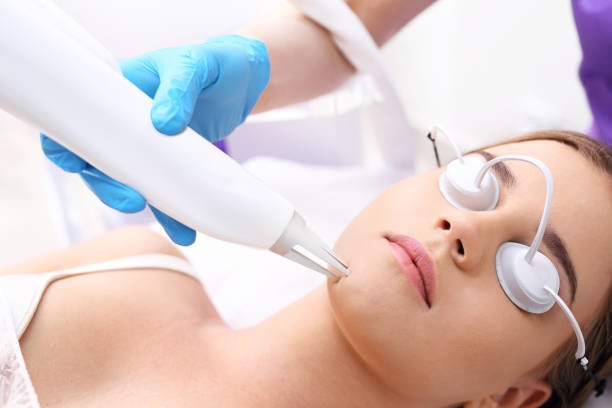
During the procedure, the laser device delivers short pulses of energy to the targeted areas. The sensation can vary, with some people describing it as a series of brief, light snaps against the skin. The duration of a session depends on the number of spots, the size of the treatment area, and the selected technique.
The treatment is designed to focus on unwanted pigment while limiting unnecessary exposure of the surrounding skin. The precise approach is individualized, as settings appropriate for one skin tone or pigmentation pattern may not be suitable for another. Following the recommended treatment plan helps support a more consistent approach to improving skin discoloration.
How Many Pico Laser Sessions Are Needed for Age Spots?
The number of sessions required varies from person to person. Some superficial age spots may improve after a single session, while more persistent or extensive pigmentation may need several treatments to achieve the desired result.
Factors such as pigment depth, spot size, skin response, and the laser settings used can influence the treatment plan. Allowing adequate time between sessions also helps make it possible to assess how the pigmentation responds before further treatment is considered.
Rather than choosing a fixed number of sessions in advance, the treatment plan should be guided by the skin’s response and the degree of improvement achieved. Realistic expectations are important because some spots may fade considerably without disappearing completely.
When Can You See Results From Pico Laser Treatment?
Results do not always appear immediately after a pico laser session. Although the laser acts on pigment during treatment, the body needs time to process and clear the fragmented particles. The treated spots may gradually become lighter as this process continues.
The timeline depends on the type and depth of pigmentation, individual skin characteristics, and the treatment settings used. Some people may notice changes within the following weeks, while others may need more time or additional sessions to see meaningful improvement.
The final outcome should be evaluated after the skin has had sufficient time to respond. Protecting the skin from further ultraviolet exposure is also important because continued sun exposure can contribute to new age spots and renewed uneven pigmentation.
Who Is a Suitable Candidate for Pico Laser Treatment?
Pico laser treatment may be suitable for adults with identified benign age spots who want to improve uneven skin tone. However, suitability depends on the individual’s skin type, the characteristics of the pigmentation, and their overall skin condition.
People with darker skin tones require particularly careful treatment planning because pigmentation changes can occur following laser procedures. Appropriate wavelength selection, treatment settings, and professional assessment are important considerations. Individuals with uncertain or changing pigmented lesions should have them evaluated before cosmetic treatment.
A qualified professional can determine whether the spots are appropriate for laser treatment and explain the likely benefits and limitations. In some cases, another pigmentation treatment may be more suitable, particularly when the discoloration has a different underlying cause.
Final Thoughts
Pico laser treatment can help improve the appearance of age spots by targeting unwanted pigment and encouraging its gradual clearance. Its ultra-short laser pulses offer a targeted approach to selected forms of pigmentation, potentially helping the skin look clearer and more even.
However, results depend on the type, depth, and extent of the age spots, as well as individual skin characteristics. Correctly identifying the pigmentation and choosing suitable laser settings are essential steps toward achieving a satisfactory outcome. With an individualized treatment plan and appropriate protection from sun exposure, pico laser treatment may be a useful option for people seeking to reduce visible age spots and improve skin tone.
FAQs
Can pico laser treatment remove age spots?
It can significantly reduce the appearance of suitable age spots, although complete removal is not guaranteed in every case.
How many sessions are needed for age spots?
Some spots may improve after one session, while others require several sessions depending on their depth and pigmentation.
Is pico laser treatment suitable for facial age spots?
Yes, it may be suitable for identified benign facial age spots when the treatment settings are appropriate for the individual’s skin.
How long does it take to see results?
Pigmentation may gradually lighten over several weeks as the body processes the fragmented pigment particles.
Can age spots return after pico laser treatment?
Yes, new age spots can develop with continued sun exposure, even when previously treated pigmentation has improved.