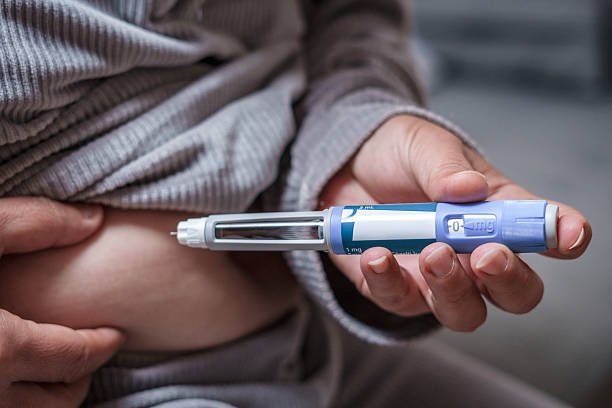
Ozempic Injection has become widely known as a treatment used to help manage blood sugar levels in people with type 2 diabetes. It contains semaglutide, a medication that belongs to a group of drugs known as GLP-1 receptor agonists. Because it can also influence appetite and body weight, many people taking Ozempic Injection have questions about changes they notice during treatment.
One concern that sometimes comes up is hair loss.
Hair shedding can be worrying, particularly when it appears unexpectedly or seems more noticeable than usual. While hair loss is not generally considered one of the main direct effects of semaglutide, some people taking Ozempic Injection may experience increased hair shedding. In many cases, this may be connected to rapid weight loss, reduced calorie intake, nutritional changes, or the body’s response to a significant physical change rather than the medication directly damaging hair follicles.
Understanding why hair loss may occur, how long it can last, and what steps may help can make the situation less stressful. This guide explains the possible relationship between Ozempic Injection and hair loss and highlights when professional medical advice may be appropriate.
Does Ozempic Injection Cause Hair Loss?
Hair loss has been reported by some people using medications containing semaglutide, although it is not necessarily a direct effect of the medicine itself. Hair shedding can happen when the body experiences substantial weight loss or another form of physiological stress.
Ozempic Injection may reduce appetite, which can lead to lower food intake. When weight decreases quickly, the body may temporarily redirect its resources toward essential functions. Hair growth is not considered an immediate priority during periods of physiological stress, and some hair follicles can shift from the active growth phase into a resting phase.
This type of temporary shedding is commonly associated with a condition called telogen effluvium.
Telogen effluvium does not usually mean that the hair follicles have been permanently damaged. Instead, more hairs than usual enter the resting phase and eventually shed. The change may become noticeable several weeks or months after the triggering event.
Therefore, someone who notices increased shedding while using Ozempic Injection may not necessarily be experiencing a direct medication-induced hair disorder. Rapid weight loss, changes in diet, illness, stress, and nutritional deficiencies can all contribute.
Why Might Hair Shedding Happen During Ozempic Treatment?
There can be several possible explanations for increased hair shedding during treatment.
Rapid Weight Loss
One of the most important factors may be rapid weight loss. Significant changes in body weight can place temporary stress on the body. This stress may affect the normal hair-growth cycle.
People who lose weight quickly sometimes notice increased shedding after the weight-loss process has already begun. Because the hair cycle operates relatively slowly, the timing can make it difficult to immediately connect shedding with a previous period of weight loss.
Reduced Calorie Intake
Ozempic Injection can reduce appetite. As a result, some people may unintentionally consume considerably fewer calories than before.
A major reduction in overall food intake may mean that the body receives less protein, iron, zinc, biotin, and other nutrients needed for normal hair growth. A consistently inadequate diet can therefore contribute to increased shedding.
This does not mean that everyone using Ozempic Injection will develop nutritional deficiencies. A balanced diet can help reduce this risk.
Protein Intake
Hair is primarily made from a protein called keratin. Adequate dietary protein is therefore important for maintaining normal hair structure and growth.
Someone who has experienced a major reduction in appetite may find it difficult to consume enough protein. Including suitable protein-rich foods as part of regular meals can be helpful, particularly during a period of weight loss.
Physical or Emotional Stress
Weight loss is not the only possible trigger. Physical illness, major emotional stress, significant lifestyle changes, sleep disruption, and other health conditions can also affect the hair cycle.
If hair shedding begins while someone is using Ozempic Injection, it can be useful to consider the person’s overall health and recent changes rather than automatically assuming the medication is the sole cause.
What Does Ozempic-Related Hair Shedding Usually Look Like?
Temporary shedding often looks different from conditions that cause permanent or progressive hair loss.
A person experiencing telogen effluvium may notice more hair than usual on a pillow, in the shower drain, on clothing, or in a hairbrush. Hair may appear to shed more evenly across the scalp rather than disappearing from one specific area.
Some people may also notice that their ponytail feels thinner or that the scalp appears slightly more visible.
The amount of shedding can vary considerably from person to person. Hair loss may also become noticeable after a delay because individual hairs do not immediately fall out when the body first experiences stress.
This delayed pattern is one reason why it can be difficult to identify the exact cause.
If the hair loss is occurring in clearly defined patches, is accompanied by scalp inflammation or pain, or involves rapid and severe thinning, another condition may be responsible. Such symptoms deserve medical evaluation.
Can Hair Grow Back After Hair Loss From Ozempic Injection?
In many cases, temporary shedding associated with weight loss or physiological stress improves once the underlying trigger settles.
Hair grows in cycles, so recovery is not immediate. Even after the body returns to a more stable state, it can take time for normal growth to become visible. People may therefore need patience before noticing meaningful improvement.
If nutritional intake has been inadequate, correcting the underlying deficiency may also support recovery. However, supplements should not automatically be taken simply because hair is shedding. Excessive amounts of certain vitamins and minerals can also cause health problems.
A healthcare professional may recommend blood tests when appropriate to investigate possible contributors such as iron deficiency, thyroid problems, or other nutritional issues.
It is also important to remember that hair loss can have many unrelated causes. Genetics, hormonal changes, thyroid disorders, certain medications, illness, stress, scalp conditions, and autoimmune disorders can all influence hair growth.
For that reason, persistent shedding should not automatically be attributed to Ozempic Injection.
How Can Someone Reduce the Risk of Hair Shedding During Weight Loss?
Although hair loss cannot always be prevented, several healthy habits may support normal hair growth.
Maintain a Balanced Diet
A nutrient-rich diet is important during weight loss. Meals should contain adequate protein along with a variety of fruits, vegetables, whole grains, and other nutrient-dense foods.
Protein sources may include eggs, fish, poultry, dairy products, legumes, tofu, and other suitable foods depending on individual dietary preferences.
Avoid Excessively Restrictive Diets
Very low-calorie or highly restrictive eating patterns can increase the risk of nutritional deficiencies. A gradual and medically appropriate approach to weight management may be easier for the body to tolerate.
Stay Hydrated
Adequate fluid intake supports overall health. While hydration alone cannot prevent hair loss, maintaining sufficient fluid intake is part of a healthy approach to weight management and general wellbeing.
Handle Hair Gently
During periods of increased shedding, gentle hair care can reduce unnecessary mechanical breakage. Excessive heat styling, aggressive brushing, very tight hairstyles, and harsh chemical treatments may make hair appear thinner or more damaged.
Monitor Changes
Keeping track of weight changes, dietary habits, medications, and the timing of hair shedding can provide useful information. If the problem continues, these details can help a healthcare professional identify possible triggers.
When Should Someone Seek Medical Advice About Hair Loss?
Occasional increased shedding does not always indicate a serious problem. However, persistent or severe hair loss deserves attention.
Medical advice can be particularly important if hair loss is sudden, occurs in patches, continues for an extended period, or is accompanied by other symptoms.
A healthcare professional may review the person’s medication history, diet, weight changes, health conditions, and family history. Depending on the situation, laboratory testing may be considered to check for nutritional deficiencies or other medical causes.
Someone taking Ozempic Injection should also avoid stopping or changing the medication without discussing it with the prescribing healthcare professional. The medication may be providing important benefits for blood sugar management or other treatment goals.
The best approach is usually to identify the actual cause of hair shedding rather than assuming that Ozempic Injection itself is responsible.
Frequently Asked Questions
1. Is hair loss a common side effect of Ozempic Injection?
Hair loss has been reported by some people taking semaglutide, but it is not generally considered one of the primary or most common effects of the medication. When shedding occurs, it may be associated with rapid weight loss, reduced calorie intake, nutritional changes, or physiological stress.
2. Does Ozempic Injection cause permanent hair loss?
Temporary shedding related to weight loss or telogen effluvium does not usually cause permanent damage to hair follicles. Hair growth can gradually return as the underlying trigger improves. However, permanent or progressive hair loss can have other causes, so persistent symptoms should be evaluated.
3. How long can hair shedding last after starting Ozempic Injection?
The duration can vary. Hair shedding related to a temporary change in the hair cycle may continue for several months before gradually improving. The timing depends on factors such as the person’s overall health, rate of weight loss, nutrition, and the underlying cause of shedding.
4. Can better nutrition help reduce hair loss while using Ozempic Injection?
Adequate nutrition can support normal hair growth. Getting enough protein, calories, vitamins, and minerals is particularly important during weight loss. A healthcare professional can help determine whether a nutritional deficiency may be contributing to hair shedding.
5. Should someone stop Ozempic Injection if hair loss occurs?
Medication should not be stopped or changed without medical guidance. If hair loss develops, the healthcare professional managing the treatment can help determine whether the shedding is related to weight loss, nutrition, the medication, or another condition.
6. When should hair loss be checked by a healthcare professional?
Professional evaluation is advisable when shedding is severe, sudden, persistent, patchy, or associated with scalp changes or other unexplained symptoms. Evaluation can help identify nutritional deficiencies, hormonal conditions, scalp disorders, medication effects, or other potential causes.
Final Thoughts
Ozempic Injection may be associated with increased hair shedding in some people, but the relationship is not always straightforward. Rapid weight loss, reduced food intake, nutritional deficiencies, and physical stress can all influence the hair-growth cycle and may be more relevant than a direct effect on the hair follicles.
For most people experiencing temporary shedding, identifying and addressing the underlying trigger is an important part of managing the problem. Maintaining adequate nutrition, avoiding overly restrictive diets, caring for the hair gently, and monitoring changes can all be useful steps.
Anyone experiencing significant or persistent hair loss should seek appropriate medical advice rather than assuming that Ozempic Injection is automatically the cause. With proper evaluation, the underlying reason for hair shedding can often be identified and managed appropriately.
Read More About Ozempic Injection: https://autopedia.co.uk/events/oman/muscat/muscat-1/what-not-to-eat-while-taking-ozempic-injection/