Mild acne marks can remain visible after breakouts have cleared, leaving the complexion looking less even or refreshed. While these marks may gradually become less noticeable with natural skin renewal, some people explore cosmetic treatments designed to improve overall skin clarity and texture. A laser carbon peel is one such option, and those researching Laser Carbon Peel in Abu Dhabi may wonder whether it can help fade mild acne marks while also improving the appearance of the surrounding skin. Understanding what the treatment targets and what type of acne marks it is best suited to can help create realistic expectations.
What Are Mild Acne Marks?
The term acne marks can describe several different changes left behind after acne. Some are flat areas of darker or redder-looking pigmentation, while others involve actual changes in skin texture. These concerns should not be considered identical because they occur at different levels of the skin and may respond differently to cosmetic treatments.
Mild, flat discoloration is generally more closely related to changes in pigmentation following inflammation. In contrast, depressed or raised acne scars involve alterations to the skin’s structure. A treatment that improves surface quality may be more relevant to mild marks than to deeper textural scars.
How Does Laser Carbon Peel Work?
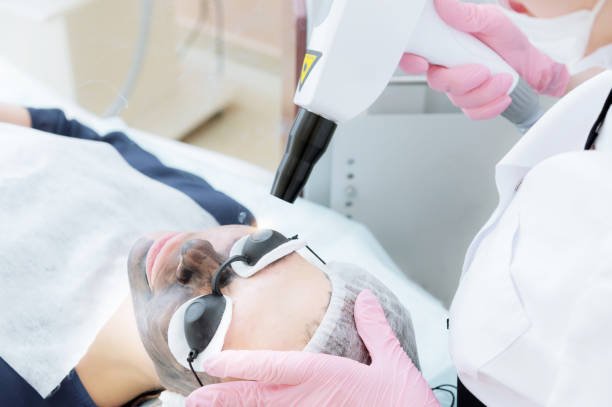
A laser carbon peel generally starts with applying a thin carbon-based layer to the skin. The carbon interacts with surface oil and impurities, after which controlled laser energy is passed across the treated area.
The laser interacts with the carbon layer and helps remove it along with accumulated surface material. This can leave the complexion looking cleaner and more refined. Depending on the laser technology and settings, the energy may also encourage processes associated with skin renewal and collagen activity.
Because the procedure combines surface refinement with controlled laser energy, it may improve several aspects of overall skin appearance at the same time.
Can It Help Fade Mild Acne Marks?
A laser carbon peel may help make mild acne marks less noticeable, particularly when the marks are flat and associated with uneven-looking pigmentation. By improving surface clarity and promoting a more uniform-looking complexion, the treatment can reduce the visual contrast between marked areas and surrounding skin.
However, a carbon peel is not primarily a pigmentation-specific treatment. Its broader purpose is to refresh the complexion, improve the appearance of texture, and address concerns such as oiliness and surface congestion.
The degree of improvement depends on the type of acne mark, its depth, how long it has been present, and the individual’s skin characteristics.
Why Does Skin Texture Matter?
Acne marks can appear more prominent when the surrounding skin is rough, dull, or uneven. Improving the surface quality of the complexion can therefore make marks look less noticeable even if the pigmentation itself has not completely disappeared.
A carbon peel helps refine the appearance of the skin’s surface by addressing accumulated impurities and excess oil. As the complexion becomes smoother and more uniform, subtle acne marks may blend more naturally with the surrounding skin.
This is one reason the treatment may be appealing to people who want to improve both acne-related discoloration and overall skin quality.
Can It Improve Post-Acne Pigmentation?
Post-acne pigmentation occurs when inflammation from a previous breakout leaves a darker-looking area behind. These marks are flat and do not necessarily involve a change in the physical structure of the skin.
A carbon peel may contribute to a more even-looking complexion by refreshing the surface and supporting natural skin renewal. This can make mild pigmentation appear less prominent over time.
The treatment should not be viewed as a guaranteed way to erase post-acne pigmentation. Pigment can develop at different depths and for different reasons, so the response varies considerably between individuals.
What About Red Acne Marks?
Some acne marks appear red or pink rather than brown or darker. These marks may reflect changes in the small blood vessels and inflammatory processes within the skin rather than excess melanin.
A carbon peel is not specifically designed to target every vascular cause of post-acne redness. However, improving overall skin texture and clarity may make mild marks less visually noticeable.
Understanding whether an acne mark is primarily pigmented, vascular, or textural is therefore important when considering the expected benefit of a carbon peel.
Can It Help With Acne-Prone Skin?
Laser carbon peel is often considered for skin that appears oily or congested. The carbon layer interacts with surface oil and impurities, while the laser helps remove the treated material.
For someone who experiences acne-prone skin along with mild residual marks, improving the appearance of oiliness and congestion may complement efforts to maintain a clearer-looking complexion.
The treatment is primarily cosmetic, so it should not automatically be considered a replacement for an acne-management approach when active breakouts remain a significant concern.
Can It Improve Enlarged-Looking Pores Alongside Acne Marks?
Acne-prone skin can sometimes have enlarged-looking pores, especially when excess oil and surface buildup are present. These pores may make the complexion appear more uneven and can draw attention to nearby marks.
By addressing surface oil and impurities, a carbon peel may help pores look less prominent. A smoother-looking surrounding surface can make the entire complexion appear more refined, potentially reducing the visual emphasis on mild acne marks.
This broader improvement in skin appearance can be one of the treatment’s appealing features.
Is Laser Carbon Peel Suitable for Darker Skin?
People with darker skin tones can have a greater concentration of melanin in the epidermis, which affects how laser energy is absorbed. This makes careful selection of laser wavelength and treatment parameters particularly important.
A carbon peel may be appropriate for some darker complexions when the technology and settings are tailored to the individual’s skin. The presence of acne pigmentation makes personalized treatment planning even more relevant because the goal is to create a more even complexion while respecting natural skin tone.
What About Textured Acne Scars?
Mild acne marks and acne scars are not the same concern. A flat mark represents a change in color, whereas a depressed or raised scar involves structural changes in the skin.
A carbon peel may improve the overall appearance of mild textural irregularities, but it should not be expected to completely correct deeper acne scars. Treatments intended specifically for scar remodeling may work differently because they target deeper structural changes.
Knowing the difference between marks and scars can help determine whether a carbon peel matches the desired cosmetic goal.
How Many Sessions May Be Needed?
The number of treatments depends on the individual’s skin, the type of acne marks, and the desired degree of improvement. Some people may notice a fresher complexion after one session, while more gradual changes in pigmentation and texture may require multiple treatments.
There is no universal schedule because skin responds differently depending on its characteristics and the cause of the marks. Treatment intervals should therefore be personalized.
What Results Can You Expect?
The most realistic expectation is gradual improvement in the overall appearance of the complexion. Mild, flat acne marks may become less noticeable as the skin looks smoother, clearer, and more uniform.
The treatment may also improve the appearance of dullness, excess oil, and enlarged-looking pores, creating a broader enhancement rather than focusing solely on individual marks.
Results vary, and deeper pigmentation or established acne scars may require a different approach.
The Bottom Line
Laser carbon peel may help fade the appearance of mild acne marks, especially when they are flat areas of uneven pigmentation accompanied by dullness, excess oil, or uneven texture. By refreshing the skin’s surface and improving overall complexion clarity, the treatment can make residual marks appear less prominent.
It is important to distinguish mild acne marks from deeper acne scars because they involve different changes within the skin. A carbon peel is generally better suited to overall skin refinement and subtle discoloration than significant structural scarring. Individual skin tone, pigmentation type, and treatment settings also play an important role in determining the expected result.
FAQs
Can laser carbon peel fade dark acne marks?
It may help make mild, flat dark acne marks less noticeable by improving skin clarity and supporting a more even-looking complexion. Results depend on the type and depth of pigmentation.
Is laser carbon peel suitable for acne-prone skin?
It may be considered for acne-prone skin, particularly when excess oil and surface congestion contribute to an uneven complexion. However, its primary purpose is cosmetic skin refinement rather than comprehensive acne management.
Can it remove acne scars?
A carbon peel may improve the overall appearance of mild texture irregularities, but deeper depressed or raised acne scars involve structural changes that may require a different treatment approach.
Can darker skin tones receive laser carbon peel for acne marks?
Some people with darker skin may be suitable candidates. Because melanin interacts with laser energy, appropriate wavelength selection and individualized treatment settings are particularly important.
How many carbon peel treatments are needed for acne marks?
There is no fixed number that applies to everyone. The appropriate treatment plan depends on the type of marks, skin characteristics, and desired cosmetic outcome. Some visible refinement may occur after one session, while gradual improvement may involve multiple sessions.