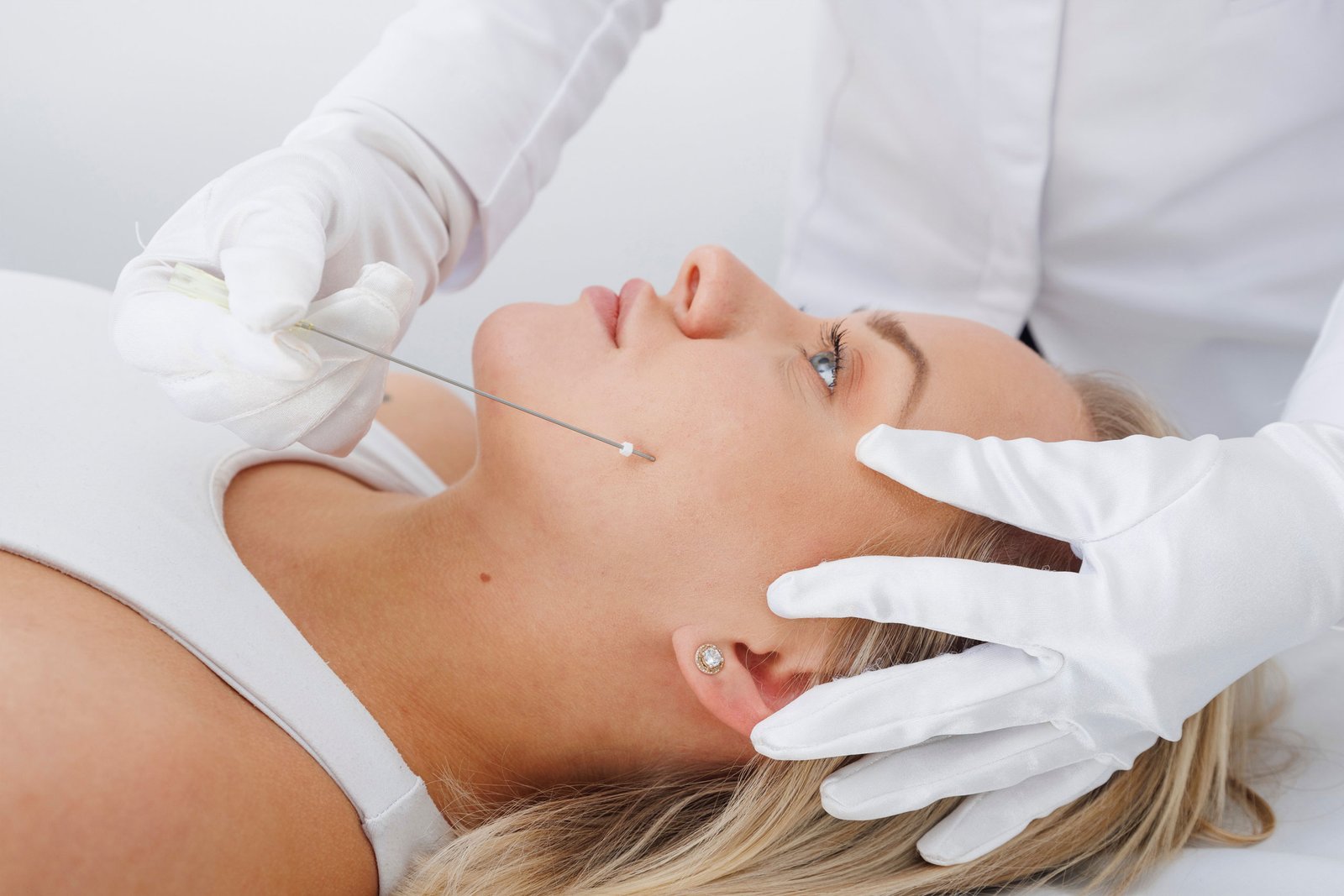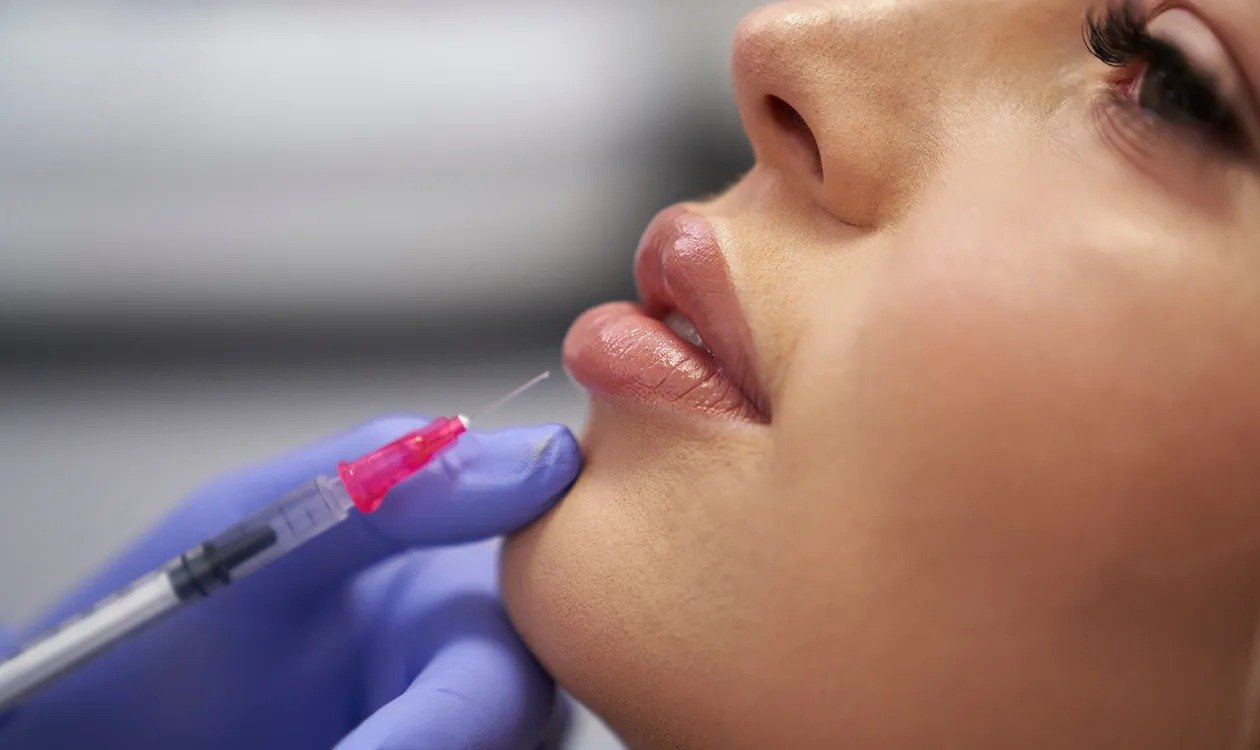
Facial sagging is a common concern that can develop as the skin gradually loses elasticity and the underlying structures of the face change with age. The cheeks play an important role in supporting facial contours, so changes in their volume can make the midface appear flatter and contribute to the appearance of sagging around the lower cheeks and jawline. People considering Cheek Fillers Injections in Abu Dhabi often want to understand whether this treatment can restore cheek definition and create a more lifted appearance. Cheek fillers are designed to replenish volume in targeted areas, improve facial contours, and provide structural support to the midface. Although they can help soften certain signs of facial aging, their effectiveness depends on the degree of sagging, the individual’s facial anatomy, and the treatment approach.
What Are Cheek Filler Injections?
Cheek filler injections are non-surgical aesthetic treatments that use injectable materials, commonly hyaluronic acid-based fillers, to restore or enhance volume in the cheek area. Hyaluronic acid is a substance naturally found in the body that helps retain moisture and contributes to tissue volume. When used as a dermal filler, it can create fullness and improve the definition of selected facial areas.
The cheeks are an important part of the face’s overall structure. Their volume influences the appearance of the under-eye region, midface, nasolabial folds, and lower facial contours. By placing filler strategically, a qualified practitioner can improve cheek projection and create a more balanced transition between different facial areas.
The goal is not simply to make the cheeks larger. Instead, treatment should complement the person’s natural facial proportions while addressing areas where volume loss contributes to an aged or tired appearance.
How Can Cheek Fillers Help With Facial Sagging?
Cheek fillers can help improve the appearance of certain types of facial sagging by restoring lost volume and providing support to the midface. As the cheeks lose fullness, the skin and soft tissues may appear less supported, making facial contours look flatter or heavier. Carefully placed filler can restore some of the volume that has diminished over time.
Improved cheek projection can also create the visual impression of a more lifted face. By enhancing the upper cheek area, fillers may help soften the appearance of the folds that extend from the nose toward the corners of the mouth. They can also improve the transition between the cheeks and the lower eyelid, depending on individual anatomy.
However, cheek fillers do not physically tighten loose skin in the same way as a surgical lifting procedure. Their primary purpose is to restore volume and refine contours. This distinction is important when deciding whether fillers are likely to meet a person’s expectations.
The Connection Between Cheek Volume and Facial Structure
The cheeks contribute significantly to facial balance because they form a central support area between the eyes, nose, and lower face. Full, well-defined cheeks can create a smoother transition across the midface and influence how youthful or refreshed the face appears.
Over time, changes in facial fat distribution, bone structure, and collagen support can reduce cheek fullness. These changes may make the middle of the face look less defined while drawing more attention to folds and sagging around the mouth.
Cheek fillers can help address volume-related changes by restoring fullness in selected areas. When the added volume is appropriately distributed, the face may appear more balanced without requiring substantial changes to its natural shape. Understanding the relationship between cheek volume and surrounding structures helps explain why treatment planning involves more than simply filling visible hollows.
Can Cheek Fillers Improve Nasolabial Folds and Jowls?
Nasolabial folds are the lines that extend from the sides of the nose toward the corners of the mouth. They can become more prominent as facial volume shifts and the supporting tissues change. Restoring cheek volume may soften the appearance of these folds in some individuals by improving midface support and contour.
Jowls develop when tissues along the lower cheeks and jawline lose definition. Cheek fillers may create a subtle visual improvement when volume loss in the midface contributes to the overall appearance of facial heaviness. However, they cannot reliably correct significant skin laxity or remove excess tissue along the jawline.
The results depend on the underlying cause of the concern. If sagging primarily results from loose skin or substantial downward displacement of facial tissues, cheek fillers alone may offer limited improvement. A comprehensive facial assessment helps establish which features are related to volume loss and which require a different approach.
Who May Benefit From Cheek Filler Injections?
Cheek fillers may be appropriate for adults who have lost midface volume, notice flatter cheek contours, or want to improve facial definition without surgery. They may also appeal to individuals who naturally have less prominent cheekbones and would like a more structured appearance.
Age alone does not determine suitability. Some people experience noticeable volume changes relatively early, while others maintain their natural cheek fullness for much longer. Facial anatomy, skin quality, treatment goals, and the degree of sagging are more useful considerations than a specific age.
Individuals seeking a dramatic correction of loose skin should understand that fillers have limitations. A qualified practitioner can evaluate facial proportions, discuss realistic outcomes, and determine whether cheek fillers are appropriate for the concern being addressed.
What Results Can You Expect From Cheek Fillers?
Cheek fillers can create additional fullness, improve cheekbone definition, and soften certain facial folds associated with volume loss. The results may give the face a more refreshed appearance while preserving its natural character when treatment is carefully planned.
The degree of improvement varies according to the amount of existing volume loss, the type of filler used, and the placement technique. Subtle changes may be sufficient for individuals with mild volume depletion, whereas more noticeable structural changes require a different assessment.
Results are not permanent. The body gradually breaks down many commonly used hyaluronic acid fillers, so the effect diminishes over time. The duration varies depending on the product, treatment area, and individual characteristics. Maintaining natural-looking proportions should remain a priority rather than pursuing excessive fullness in an attempt to eliminate all signs of aging.
How Are Cheek Fillers Different From Skin-Lifting Treatments?
Cheek fillers and skin-lifting treatments address different aspects of facial aging. Fillers primarily restore volume, improve projection, and enhance contours. Treatments designed to improve skin firmness focus more directly on tissue laxity or skin quality, while surgical lifting procedures can reposition tissues and address more substantial sagging.
Choosing between these approaches depends on the main concern. A person whose face appears tired because of hollow cheeks may benefit from restoring volume. Someone with significant loose skin along the lower face may need a different treatment strategy to achieve meaningful improvement.
In some cases, a combination of approaches may be considered, depending on individual suitability. The most appropriate plan is one that addresses the underlying cause of facial aging rather than relying on a single treatment to resolve every concern.
Final Thoughts
Cheek filler injections can help improve the appearance of facial sagging when volume loss in the midface is a contributing factor. By restoring cheek fullness, enhancing projection, and refining facial contours, fillers may create a subtle lifting effect and soften selected folds around the mouth.
However, they cannot replace the effects of treatments designed to tighten loose skin or reposition significantly sagging tissues. Understanding these limitations is essential when setting realistic expectations. A personalized assessment can help determine whether cheek fillers are suitable for your facial structure and whether they are likely to provide the natural-looking improvement you want.
FAQs
Can cheek fillers lift a sagging face?
They can create a subtle lifting appearance by restoring cheek volume, but they do not physically tighten significantly loose skin.
Do cheek fillers help reduce nasolabial folds?
They may soften the appearance of these folds by improving midface volume and support, depending on facial anatomy.
Can cheek fillers remove jowls?
They may improve facial balance in selected cases, but they cannot remove excess tissue or reliably correct significant jowling.
How long do cheek filler results last?
Results vary by filler type and individual factors, but many hyaluronic acid fillers provide improvement for several months or longer.
Are cheek fillers suitable for everyone with facial sagging?
No. Suitability depends on facial structure, skin laxity, volume loss, and the individual’s treatment goals.