Acne is a common skin concern that can affect people of different ages and skin types. While occasional breakouts may disappear without leaving noticeable marks, persistent or inflamed acne can sometimes damage the skin and contribute to permanent scarring. Taking appropriate steps to manage breakouts early can help protect the skin’s overall appearance and reduce the likelihood of long-term marks. With the right approach, Acne Treatment in Abu Dhabi can help individuals manage active acne, control recurring breakouts, and support healthier-looking skin. Understanding the connection between acne management and scar prevention is important for anyone who wants to maintain smoother skin and minimize the lasting effects of blemishes.
Understanding the Connection Between Acne and Scarring
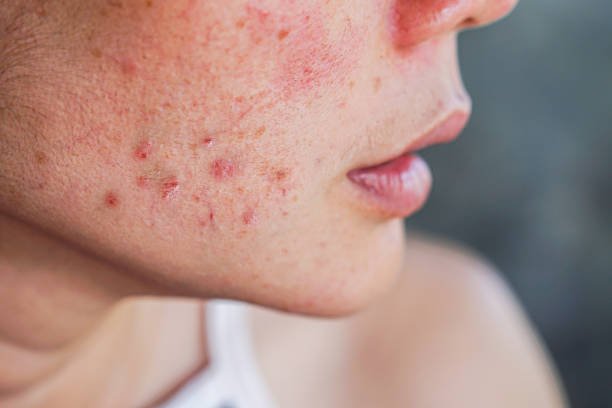
Acne develops when hair follicles become clogged with excess oil, dead skin cells, and other impurities. This can create an environment where acne-causing bacteria contribute to inflammation and breakouts. Depending on their severity, blemishes may appear as blackheads, whiteheads, inflamed pimples, or deeper acne lesions.
Scarring can occur when inflammation damages the deeper layers of the skin. During the natural healing process, the body produces collagen to repair damaged tissue. However, when collagen production is insufficient or excessive, the skin may develop uneven textures, depressed areas, or raised scars.
Not every acne breakout results in scarring. However, persistent inflammation, deeper blemishes, and repeated breakouts in the same areas can increase the likelihood of lasting skin changes. This makes early acne management an important part of maintaining skin quality.
How Can Acne Treatment Help Prevent Scars?
Acne treatment can help prevent scars by addressing breakouts before they cause significant damage to the surrounding skin. When acne is managed effectively, inflammation can be reduced, clogged pores can be controlled, and the development of deeper lesions may become less frequent.
Different treatment approaches target different causes of acne. Some focus on regulating excess oil production, while others help clear blocked pores, improve skin cell turnover, or reduce acne-related inflammation. By addressing these underlying factors, treatment can help limit the repeated skin damage associated with persistent breakouts.
Early intervention is particularly important for individuals who experience frequent or painful acne. Instead of allowing blemishes to develop into deeper lesions, a suitable treatment plan can help control the condition and support the skin’s natural healing process.
Why Is Early Acne Treatment Important?
The timing of acne treatment can influence the likelihood of developing scars. When breakouts remain untreated for extended periods, inflammation may continue to affect the surrounding skin tissue. Repeated inflammation can interfere with normal healing and increase the possibility of permanent textural changes.
Early treatment focuses on controlling acne before it becomes more severe. It can also help prevent new blemishes from developing in areas that have already experienced repeated breakouts. This is especially relevant for individuals who regularly experience inflammatory acne around the cheeks, forehead, chin, or jawline.
Another important reason to begin treatment early is that different types of acne require different approaches. Mild clogged pores may respond to treatments designed to improve exfoliation, while deeper inflammatory acne may require a more targeted strategy. Identifying the type of acne helps ensure that the selected approach addresses the actual skin concern.
Which Types of Acne Are More Likely to Cause Scarring?
Although any persistent acne condition deserves attention, certain forms are more closely associated with permanent scars. Inflammatory acne, including deep nodules and cystic lesions, can affect the deeper layers of the skin and interfere with collagen production during healing.
Cystic acne is particularly associated with scarring because it involves deeper inflammation beneath the skin’s surface. Nodular acne can also create lasting changes when the affected tissue experiences significant damage.
Milder forms, such as blackheads and whiteheads, are generally less likely to produce permanent scars. However, recurring breakouts and continued inflammation can still contribute to uneven skin texture over time.
Understanding the type and severity of acne makes it easier to choose an appropriate treatment approach. Addressing deeper acne early can be especially valuable for individuals who have previously experienced visible scars.
Can Acne Treatment Improve Skin Texture?
Acne treatment can contribute to smoother-looking skin by reducing active breakouts and limiting repeated inflammation. When fewer blemishes develop, the skin has a better opportunity to maintain its natural texture without experiencing continuous irritation and tissue damage.
Certain professional treatments may also support skin renewal and improve the appearance of existing unevenness. Depending on individual needs, these approaches may include chemical peels, specialized exfoliation procedures, or treatments that encourage collagen production.
However, preventing new acne scars and improving existing scars are two different objectives. Treatments designed to control active acne focus on reducing future skin damage, while scar-focused procedures aim to improve texture and appearance after scarring has already developed.
A personalized assessment can help determine whether the main priority should be controlling active breakouts, improving existing marks, or addressing both concerns through an appropriate treatment plan.
The Role of Collagen in Acne Scar Prevention
Collagen is an important structural protein that helps maintain skin firmness, strength, and smoothness. When acne causes inflammation deep within the skin, collagen fibers may become damaged during the healing process.
If the skin produces insufficient collagen while repairing the affected area, depressed scars may develop. In other situations, excessive collagen production can contribute to raised scars.
Managing acne early helps reduce the amount of inflammation that can interfere with normal tissue repair. This is one reason consistent acne treatment plays an important role in reducing the risk of permanent textural changes.
Supporting healthy skin renewal and maintaining an appropriate treatment routine can also help preserve the skin’s overall appearance. However, the outcome depends on the severity of acne, individual healing patterns, and the treatment approach selected.
How Does a Consistent Acne Treatment Plan Help?
Consistency is an important factor in managing acne and reducing the likelihood of scarring. Acne often develops through several interconnected processes, so addressing only visible blemishes may not be enough to control recurring breakouts.
A suitable treatment plan considers the underlying causes of acne and focuses on maintaining long-term improvement. Depending on the skin condition, it may involve professional procedures or topical treatments designed to regulate oil production, unclog pores, and manage inflammation.
Following the recommended treatment schedule allows the skin to respond gradually and helps maintain more consistent progress. Frequent changes in treatment without proper guidance may make it difficult to determine which approach is effective.
Regular skin assessments can also help identify changes in acne severity and determine whether the treatment strategy needs adjustment. This ongoing approach is particularly useful for individuals who experience recurring inflammatory breakouts.
Can Acne Treatment Reduce the Chances of Future Scarring?
Yes, appropriate acne treatment can reduce the chances of future scarring by limiting active breakouts and controlling inflammation before deeper skin damage occurs. However, prevention is not guaranteed because scarring also depends on genetics, acne severity, skin characteristics, and individual healing responses.
People who experience repeated deep acne lesions may benefit from seeking professional guidance early rather than waiting for the condition to become more noticeable. A carefully selected treatment approach can help control the factors responsible for recurring blemishes.
It is also important to recognize that acne management requires patience. Improvements may develop gradually, and maintaining progress often involves continued attention to the skin’s changing needs. Addressing acne consistently provides a better opportunity to preserve smoother skin and reduce the development of permanent marks.
Final Thoughts
Acne treatment can play an important role in preventing acne scars by controlling breakouts, reducing inflammation, and limiting damage to the deeper layers of the skin. Early attention is especially valuable for individuals who experience persistent or inflammatory acne, as these conditions have a greater potential to leave lasting marks.
Choosing an appropriate treatment approach based on acne type, skin condition, and individual concerns can support healthier-looking skin over time. Although no treatment can guarantee complete scar prevention, managing acne consistently can significantly improve the opportunity to maintain smoother skin and minimize future textural changes.
FAQs
Can acne treatment prevent permanent scars?
Yes, appropriate acne treatment can reduce the likelihood of permanent scars by controlling inflammation and preventing severe breakouts.
When should you start acne treatment?
Treatment is best considered when breakouts become persistent, recurring, or inflammatory rather than waiting for deeper acne to develop.
Which acne types are more likely to cause scars?
Deep inflammatory acne, including cystic and nodular acne, has a greater potential to cause permanent scarring.
Can acne treatment improve existing scars?
Some professional treatments can improve the appearance of existing scars, although scar correction requires a different approach from active acne management.
How long does acne treatment take to show results?
The timeline varies depending on acne severity, treatment type, and individual skin response. Consistent treatment is important for achieving gradual improvement.