
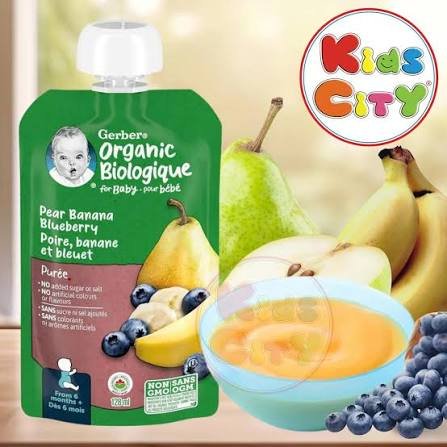
Introducing solid foods is an important milestone in a baby’s development. During this stage, parents become more careful about choosing nutritious, safe, and easy-to-digest foods. Organic baby food is becoming a popular choice because parents want to provide their little ones with natural ingredients and balanced nutrition. Choosing to Buy Organic Baby Purees can make feeding time easier while helping babies explore different tastes and textures.
Organic baby purees are prepared using carefully selected ingredients, including fruits, vegetables, and other nutritious foods. They offer a convenient option for busy parents who want to provide quality meals without spending hours preparing food in the kitchen.
Why Choose Organic Baby Purees for Your Baby?
A baby’s digestive system is still developing, so selecting suitable foods is important. Organic purees are made with ingredients grown according to organic farming standards. Depending on the product, they may contain fruits and vegetables without certain synthetic pesticides used in conventional farming.
Parents often prefer organic options because they want to understand what goes into their baby’s meals. Reading ingredient labels and choosing products with simple ingredients can help parents make informed decisions.
When you Buy Organic Baby Purees, look for products that provide clear ingredient information, suitable age recommendations, and proper storage instructions.
Nutritional Benefits of Organic Baby Purees
Babies need different nutrients to support their physical growth and development. Fruit and vegetable purees can introduce useful vitamins, minerals, and dietary fibre into their diet.
Some common ingredients include:
- Apple Puree: Provides carbohydrates and dietary fibre.
- Banana Puree: Offers energy and potassium.
- Carrot Puree: Contains beta-carotene, which the body converts into vitamin A.
- Pumpkin Puree: Provides fibre and vitamin A precursors.
- Sweet Potato Puree: Contains carbohydrates, fibre, and beta-carotene.
- Pear Puree: Offers a naturally sweet taste and dietary fibre.
Each ingredient has its own nutritional value. Offering different fruits and vegetables can also help babies become familiar with a variety of flavours.
However, purees should be part of a balanced complementary feeding routine rather than the only source of nutrition.
When Can Babies Start Eating Purees?
Most babies are ready to begin complementary foods at around six months of age. However, readiness signs are more important than age alone.
Some common signs include:
- The baby can hold their head steady.
- The baby can sit upright with support.
- The baby shows interest in food.
- The baby can swallow food instead of automatically pushing it out with the tongue.
Parents should introduce foods gradually and follow their paediatrician’s advice, especially if their baby was born prematurely or has specific feeding concerns.
Breast milk or infant formula should remain the main source of nutrition during the early stages of complementary feeding.
How to Choose the Best Organic Baby Purees
Finding the right baby food requires more than checking whether the packaging says organic. Parents should consider several factors before purchasing.
1. Check the Ingredients
Always read the ingredient list carefully. Choose products with simple and clearly mentioned ingredients. Avoid unnecessary added sugar, excess salt, and artificial sweeteners.
2. Select Age-Appropriate Products
Different babies have different feeding abilities. Choose a puree with a texture that matches your baby’s developmental stage. Smooth purees may be suitable when starting solids, while thicker textures can be introduced as feeding skills improve.
3. Check Packaging Quality
Packaging plays an important role in food safety. Look for properly sealed containers, clear manufacturing details, expiry dates, and storage instructions.
Never purchase products with damaged or leaking packaging.
4. Consider Nutritional Variety
Try different fruit and vegetable combinations instead of repeatedly offering the same flavour. A varied diet helps babies experience different tastes and nutritional benefits.
5. Read Product Labels
Check whether the product contains added ingredients, potential allergens, or preservatives. Organic certification should also be verified through the information provided by the manufacturer.
Popular Types of Organic Baby Purees
There are different varieties of baby purees available in the market. Parents can select them according to their baby’s age, preferences, and feeding requirements.
Fruit Purees
Fruit purees are a convenient way to introduce natural fruit flavours. Apple, banana, pear, and mango are popular choices. Their naturally soft texture makes them easy to prepare for babies who are beginning solid foods.
Vegetable Purees
Vegetable purees provide variety and introduce babies to different flavours. Carrot, pumpkin, peas, and sweet potato are commonly used ingredients.
Mixed Fruit Purees
Mixed fruit purees combine two or more fruits to create different flavour combinations. They can help babies explore new tastes while enjoying familiar ingredients.
Fruit and Vegetable Blends
Some baby food products combine fruits and vegetables in one serving. These combinations offer variety and can make meal planning more convenient for parents.
Benefits of Ready-to-Eat Baby Purees for Busy Parents
Modern parents often manage work, household responsibilities, and childcare together. Preparing fresh baby food every day can sometimes become difficult.
Ready-to-eat purees offer a practical solution. They are easy to carry during travel, quick to serve, and available in convenient packaging.
Parents can keep suitable products available for situations when preparing homemade meals is not possible. However, they should always follow the manufacturer’s instructions after opening the package.
Another advantage is portion convenience. Pre-packaged purees can help parents manage serving sizes without preparing large quantities of food.
Important Safety Tips While Feeding Baby Purees
Food safety should always be a priority when introducing new foods.
Here are some useful precautions:
- Introduce one new ingredient at a time when appropriate.
- Wait several days before introducing another new food to help identify possible reactions.
- Watch for signs of food allergies, such as rashes, swelling, vomiting, or breathing difficulties.
- Avoid honey before the age of 12 months.
- Never add salt or sugar unnecessarily to baby food.
- Always supervise your baby during feeding.
- Use a clean spoon and bowl.
- Do not feed directly from a pouch unless the packaging instructions and feeding method are appropriate.
- Discard leftover food that has come into contact with the baby’s used spoon.
- Follow refrigeration and storage instructions carefully.
If your baby develops breathing difficulties or swelling of the tongue or throat after eating, seek emergency medical care.
Homemade vs. Packaged Organic Baby Purees
Both homemade and packaged baby purees can be useful options for parents. Homemade purees allow parents to select fresh ingredients and prepare meals according to their baby’s preferences.
On the other hand, packaged organic purees provide convenience and save preparation time. They can be particularly useful when travelling or managing a busy routine.
The best choice depends on the family’s lifestyle, available time, product quality, and baby’s nutritional needs. Parents can also combine both options to maintain variety in their baby’s meals.
Why Parents Should Make Informed Baby Food Choices
Choosing baby food is a responsibility that requires attention to quality, ingredients, and nutritional requirements. Parents should avoid selecting products only because of attractive packaging or marketing claims.
A reliable baby food product should provide transparent ingredient information, proper labelling, suitable textures, and clear storage instructions.
Kids City focuses on making baby food shopping convenient for parents looking for suitable food options for their little ones. Comparing available products and checking their ingredients can help families make better purchasing decisions.
Before purchasing, parents should also consider their baby’s feeding stage and any dietary restrictions recommended by a healthcare professional.
Conclusion
Providing nutritious food during the early years helps babies gradually develop healthy eating habits. Organic fruit and vegetable purees offer a convenient way to introduce different flavours and textures as part of complementary feeding.
When you decide to Buy Organic Baby Purees, focus on ingredient quality, age suitability, packaging safety, and nutritional variety. Choose products carefully, introduce new foods gradually, and follow appropriate feeding practices.
With thoughtful food choices and a balanced feeding routine, parents can make the journey of introducing solid foods more comfortable and enjoyable for their babies.