The early years of childhood are filled with discovery, curiosity, and important developmental milestones. During this period, children begin developing communication skills, emotional awareness, physical coordination, and the confidence to explore their surroundings. Choosing a nursery in Marina Dubai can help parents find an environment where young learners receive appropriate care, encouragement, and meaningful learning experiences during these formative years.
A quality early childhood setting provides much more than supervision. It creates opportunities for children to investigate new ideas, build relationships, express themselves, and develop the skills they will need as they progress towards formal schooling. Understanding what makes an early learning environment effective can help parents make a confident and informed decision.
Why Early Childhood Education Matters
Developing Essential Life Skills
Children learn important life skills through everyday experiences. Simple activities such as putting away toys, sharing materials, listening to stories, and participating in group games teach responsibility, patience, and cooperation.
These experiences also help children understand routines and develop independence. With consistent encouragement from educators, young learners gradually become more comfortable making choices and completing age-appropriate tasks.
Encouraging Curiosity and Exploration
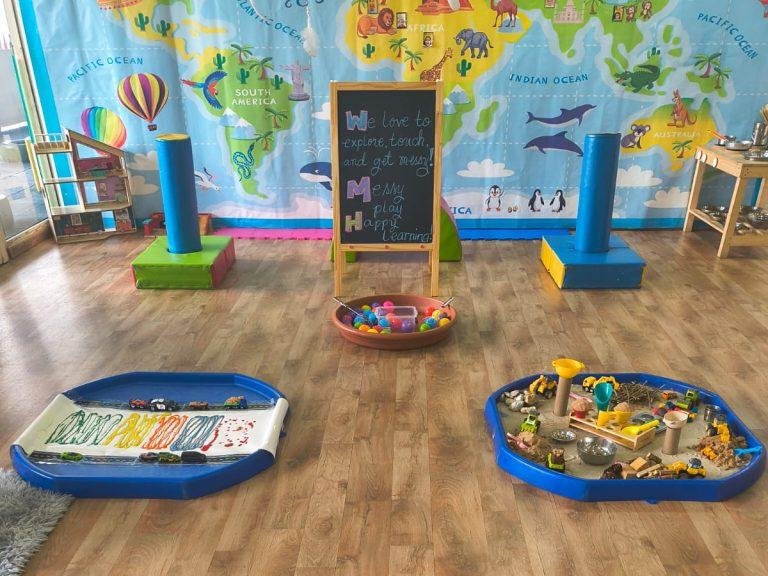
Young children naturally want to understand how the world works. A well-planned learning environment gives them opportunities to explore different textures, colours, sounds, shapes, and materials.
Activities such as building blocks, water play, painting, and nature observation encourage children to ask questions and experiment with ideas. These experiences support early problem-solving abilities without placing unnecessary pressure on children to achieve specific academic results.
What Makes a Nursery Learning Environment Effective?
A Child-Centred Approach
Every child develops at an individual pace. Some children communicate confidently at an early age, while others need more time to express their thoughts. A child-centred approach recognises these differences and provides suitable opportunities for each learner.
Educators observe children’s interests, strengths, and developmental needs to plan activities that are engaging and age-appropriate. This approach helps children participate comfortably while gradually expanding their abilities.
Qualified and Supportive Educators
Educators play a significant role in shaping a child’s early learning experience. They provide guidance, establish routines, encourage positive behaviour, and help children navigate unfamiliar situations.
Warm and responsive interactions can make children feel secure enough to explore independently. Parents should consider the qualifications, experience, communication practices, and child-development knowledge of the teaching team when evaluating a nursery.
Safe and Stimulating Facilities
A thoughtfully arranged environment encourages children to explore while maintaining appropriate safety standards. Learning areas should be organised, clean, accessible, and suitable for the ages of the children attending.
Books, construction toys, creative materials, pretend-play resources, and movement equipment can support different areas of development. Outdoor spaces also provide opportunities for physical activity and supervised exploration.
Understanding the British EYFS Framework
Learning Through Play
The British Early Years Foundation Stage (EYFS) framework supports children’s learning and development through purposeful experiences and play-based activities. Rather than relying exclusively on formal instruction, this approach allows children to develop skills through exploration, interaction, and practical experiences.
For example, a pretend shop can introduce counting, communication, turn-taking, and imaginative thinking within a familiar context. Building a tower can help children investigate balance, size, shapes, and spatial relationships.
Supporting Different Areas of Development
The EYFS framework addresses several connected areas of learning, including communication and language, physical development, personal and social development, literacy, mathematics, understanding the world, and expressive arts and design.
These areas are not isolated subjects. A storytelling session may develop vocabulary, listening, imagination, and social interaction at the same time. This integrated approach makes learning more meaningful for young children.
Activities That Encourage Holistic Development
Music, Movement, and Creative Expression
Music and movement sessions help children develop coordination, rhythm, listening skills, and confidence. Singing familiar songs can also support language development and memory.
Creative activities such as painting, drawing, collage, and modelling encourage children to communicate ideas in different ways. The emphasis should be on exploration and expression rather than producing identical finished projects.
Language and Communication Activities
Reading stories, singing nursery rhymes, discussing pictures, and engaging in everyday conversations expose children to new vocabulary. Educators can encourage children to describe their experiences, answer questions, and communicate their needs.
Where suitable, exposure to additional languages through songs, stories, and simple conversations can introduce children to different sounds and cultural experiences.
Social Interaction and Emotional Growth
Group activities help children learn how to cooperate, wait for turns, recognise emotions, and resolve minor disagreements with adult guidance.
These experiences are particularly valuable for children preparing to enter a more structured educational setting. They gradually learn that their feelings matter while also understanding the needs and boundaries of others.
Helping Children Adjust to Nursery Life
Establishing Familiar Routines
A predictable daily schedule can make the transition into nursery easier. Consistent arrival routines, play periods, meals, rest, and departure arrangements help children understand what to expect.
Parents can support this adjustment by discussing the nursery positively, practising short separations when appropriate, and maintaining consistent morning routines.
Building a Partnership with Parents
Communication between families and educators supports continuity between home and nursery. Parents should have opportunities to discuss their child’s preferences, routines, developmental progress, and any concerns.
Regular updates can also help families reinforce emerging skills at home. A strong partnership ensures that adults work towards shared goals while respecting each child’s individual needs.
How Parents Can Choose the Right Setting
When comparing early childhood centres, parents should consider more than location or appearance. Important factors include staff qualifications, safeguarding procedures, hygiene practices, learning activities, communication systems, and the availability of suitable facilities.
A visit can reveal how educators interact with children and whether the atmosphere feels welcoming. Parents may also ask about settling-in arrangements, meals, rest periods, outdoor play, and how developmental progress is communicated.
Final Thought
Quality early childhood education combines attentive care, meaningful play, supportive relationships, and opportunities for children to grow at their own pace. By choosing an environment that values curiosity, emotional security, and holistic development, families can help children build a positive foundation for future learning. Parents exploring early education options can also compare established JLT nurseries to understand the available approaches and identify a setting that suits their child’s needs.