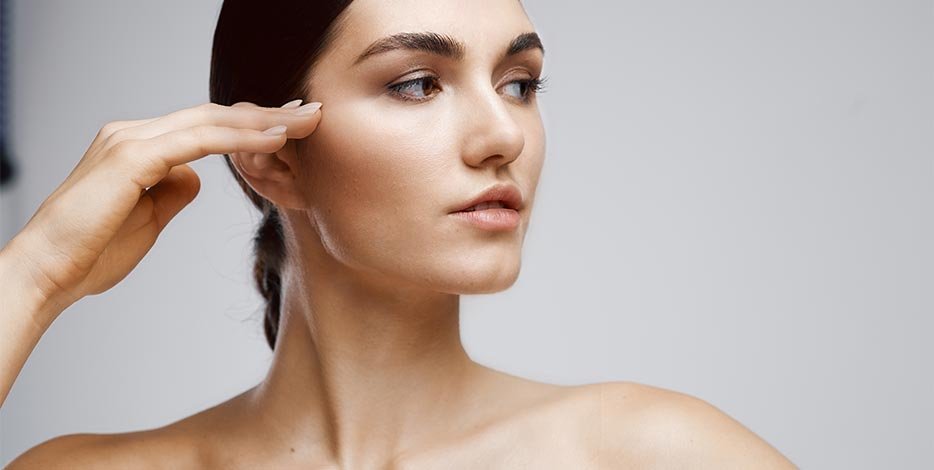
The forehead and eyebrows play an important role in defining facial expression, balance, and overall appearance. Their position can influence how the eyes look, how the upper face relates to the middle and lower face, and whether someone appears relaxed, alert, or tired. As the skin and underlying tissues change over time, the eyebrows may gradually descend, creating a heavier appearance around the upper eyelids or altering the natural shape of the forehead.
A brow lift is a surgical procedure designed to elevate and reposition the eyebrows to create a more balanced appearance. However, achieving a natural-looking result involves more than simply raising the brows. Forehead height, brow shape, facial proportions, hairline position, and individual anatomy all contribute to treatment planning.
At Bodyvie Clinic, understanding these individual features is an important consideration when discussing Brow Lift in London. A personalised assessment helps determine whether brow repositioning may suit a patient’s facial structure and aesthetic goals. Rather than applying the same approach to everyone, treatment planning considers how the forehead and eyebrows relate to the rest of the face.
Why Does Forehead Shape Matter in Brow Lift Planning?
The forehead provides the structural framework for the upper third of the face. Its height, width, curvature, and relationship with the hairline can influence the appearance of the eyebrows and eyes.
Some people naturally have a high forehead, while others have a shorter distance between the eyebrows and hairline. Forehead contours can also vary, appearing relatively flat in some individuals and more rounded in others. These differences affect how brow elevation may influence overall facial proportions.
During an assessment, a surgeon may consider several characteristics:
- Forehead height: The vertical distance between the eyebrows and hairline helps establish the existing proportions of the upper face.
- Forehead curvature: The natural contour of the forehead influences how brow position is perceived from the front and side.
- Hairline location: The position of the hairline can affect which surgical approach may be appropriate.
- Brow-to-eye distance: The space between the eyebrows and upper eyelids contributes to the appearance of the eyes.
- Natural asymmetry: Small differences between the left and right sides of the forehead and eyebrows may influence the treatment plan.
These observations help establish realistic goals for brow positioning. The intention is not necessarily to create a higher forehead or dramatically elevated eyebrows. Instead, the aim is to consider whether a change in brow position could improve facial balance while preserving the patient’s natural characteristics.
How Are Facial Proportions Evaluated Before Brow Lift Surgery?
Facial proportions describe how different areas of the face relate to one another. In aesthetic planning, the face is often considered in three broad regions: the upper third, from the hairline to the eyebrows; the middle third, from the eyebrows to the base of the nose; and the lower third, from the base of the nose to the chin.
These divisions provide a general framework rather than a strict formula for attractiveness. Natural facial variation is common, and the most suitable brow position depends on the individual’s anatomy, age, and preferences.
When considering Brow Lift Surgery London, the surgeon may evaluate the upper third of the face alongside the eyes, nose, cheeks, and lower facial features. This broader assessment helps avoid focusing on the eyebrows in isolation.
For example, raising the eyebrows too much may create an unnecessarily surprised appearance or make the forehead seem disproportionately tall. Conversely, an overly conservative change may not address the heaviness that prompted the patient to seek advice.
The assessment also considers the patient’s appearance at rest and during facial movements. The eyebrows naturally move when someone smiles, raises their forehead, or expresses surprise. Preserving these familiar expressions is an important part of planning a result that looks consistent with the person’s natural appearance.
What Role Does Natural Brow Shape Play in Treatment Decisions?
Eyebrows differ considerably in shape, thickness, arch, and orientation. Some are relatively straight, while others have a pronounced arch or a naturally elevated outer edge. These characteristics contribute to facial identity and can influence the expression conveyed by the eyes.
A brow lift should take these existing features into account rather than automatically creating a highly arched or symmetrical appearance.
Understanding the Inner, Central, and Outer Brow
The eyebrow can be assessed in three general sections: the inner brow near the nose, the central portion above the eye, and the outer tail near the temple.
The relative position of each section can influence the overall expression of the upper face. For example, a lower outer brow may contribute to a heavier appearance around the outer eyelid, while a low central brow may affect the perceived openness of the eye area.
The surgeon considers which areas may benefit from repositioning and how the proposed change will affect the eyebrow’s natural contour. The objective is to maintain a shape that suits the patient’s facial structure rather than producing an exaggerated arch.
Maintaining Individual Facial Characteristics
A person’s natural eyebrow shape is influenced by anatomy, genetics, and facial muscle activity. Therefore, two patients with similar concerns may require different approaches.
One person may want a subtle elevation of the outer brows, while another may be concerned about a general descent across the forehead. The assessment should distinguish between these concerns before an appropriate procedure is discussed.
This individualised approach is particularly relevant when considering a Brow Lift Clinic in London, where patients may have different expectations regarding facial rejuvenation and the degree of visible change they prefer.
How Does Brow Position Affect the Appearance of the Eyes?
The eyebrows and upper eyelids are closely connected in their appearance. When the brows descend, the skin above the eyes may appear heavier, and the upper eyelid area can look smaller or less defined.
However, not all upper eyelid heaviness is caused by a low brow. Some people have excess upper eyelid skin, while others may have a combination of brow descent and changes in eyelid tissue.
Distinguishing between these factors is important because a brow lift and upper blepharoplasty address different anatomical concerns.
A brow lift focuses on repositioning the eyebrows and, depending on the technique, associated forehead tissues. Upper blepharoplasty removes or adjusts selected upper eyelid tissue when appropriate. In some cases, both procedures may be considered, but the decision depends on an individual clinical assessment.
During consultation, the surgeon may observe the brow at rest and assess how its position changes when the forehead muscles are relaxed. This helps identify whether the eyebrows themselves contribute to the appearance of heaviness.
Understanding this relationship can support a more suitable treatment plan and reduce the likelihood of choosing a procedure that does not fully address the patient’s main concern.
How Does Hairline Position Influence Brow Lift Techniques?
The hairline is another important consideration when selecting a brow lift approach. Different techniques involve different incision locations, patterns of tissue adjustment, and implications for the forehead and hairline.
For patients with a relatively high forehead, the possibility of further increasing the distance between the eyebrows and hairline may be an important consideration. For someone with a lower hairline, a different approach may be more suitable depending on the anatomy and desired result.
The choice of technique may also depend on the amount of brow descent, forehead skin characteristics, hair density, and the patient’s individual goals.
Considering Forehead Height and Hairline Changes
Some brow lift techniques use incisions within or near the hairline, while others use different incision placements. The appropriate option depends on the patient’s anatomy and the surgeon’s assessment.
The consultation should include a discussion of how the selected approach may affect forehead proportions and the position of the hairline. These considerations help establish expectations about the overall appearance of the upper face after surgery.
There is no single technique that is ideal for every patient. A personalised decision takes account of the existing forehead shape, the extent of brow descent, and the balance between the expected aesthetic change and the patient’s preferences.
Can Brow Lift Planning Address Facial Asymmetry?
Mild facial asymmetry is common. One eyebrow may naturally sit higher than the other, or the two sides of the forehead may differ slightly in shape or muscle activity. These variations do not necessarily indicate a problem requiring treatment.
When someone seeks a brow lift, the surgeon may assess whether the asymmetry is primarily related to brow position, underlying anatomy, eyelid differences, or habitual muscle movement.
The assessment is important because the position of the eyebrows cannot always be considered independently of the surrounding structures.
Although treatment may aim to improve balance, perfect symmetry is not a realistic expectation. The goal is to consider whether a proportionate adjustment could create a more harmonious appearance while respecting the patient’s natural facial characteristics.
Photographs taken from different angles may help document the existing brow position and support discussion about the proposed changes. A careful examination also helps distinguish between a longstanding feature and a change that has developed over time.
How Do Age and Skin Quality Affect Forehead Assessment?
The forehead and eyebrows change gradually with age. Skin elasticity may decrease, soft tissues may shift, and repeated muscle movements can contribute to the development of forehead lines and changes in brow position.
However, chronological age alone does not determine whether someone may benefit from a brow lift. People of the same age can have very different forehead structures, skin characteristics, and aesthetic concerns.
During an assessment, the surgeon may consider skin thickness, elasticity, the degree of tissue descent, and the patient’s overall facial anatomy.
These features can influence the expected degree of elevation and the technique considered appropriate. A patient with mild brow descent may have different treatment needs from someone with more noticeable changes across the forehead.
It is also important to distinguish between forehead lines caused by muscle activity and changes associated with tissue position. A brow lift primarily addresses the position of the brows and related tissues; it does not automatically eliminate every forehead line or expression crease.
Understanding these distinctions helps patients develop realistic expectations about what surgery is intended to achieve.
What Should Patients Discuss During a Brow Lift Consultation?
A consultation provides an opportunity to explain concerns, review facial anatomy, and understand the available treatment options. Patients considering Brow Lift in London can benefit from discussing the specific changes they would like to see rather than focusing only on a particular surgical technique.
Useful topics include:
- The areas of the eyebrows or forehead that appear heavy or lower than desired.
- Whether the main concern involves the brow position, upper eyelid skin, or both.
- The preferred degree of change, including a preference for subtle rather than dramatic elevation.
- The natural shape of the forehead and the current position of the hairline.
- Previous facial procedures and any relevant medical or surgical history.
- The expected recovery period and the practical arrangements needed after surgery.
Patients should also have the opportunity to ask how the proposed procedure would affect their forehead proportions, eyebrow contour, and overall facial expression.
The surgeon can then explain the potential benefits, limitations, and alternatives based on the clinical findings. This discussion supports informed decision-making and ensures that the treatment plan reflects the patient’s priorities.
Conclusion
Forehead shape and facial proportions are essential considerations when planning a brow lift. The height and curvature of the forehead, position of the hairline, natural eyebrow contour, relationship with the upper eyelids, and degree of facial asymmetry can all influence the choice of treatment.
Rather than simply raising the eyebrows, effective planning considers how the upper face relates to the rest of the facial features. A carefully selected approach aims to maintain natural expression and create a balanced appearance that suits the individual’s anatomy.
At Bodyvie Clinic, patients exploring Brow Lift Surgery London can discuss their concerns during a personalised consultation. A detailed assessment helps establish whether brow repositioning may be appropriate, which approach could suit their facial structure, and what results they can reasonably expect. Understanding these factors allows patients to make informed decisions about their aesthetic goals.
Frequently Asked Questions
1. Why is forehead shape important when planning a brow lift?
Forehead height, curvature, and hairline position influence how the eyebrows relate to the rest of the face. Considering these features helps guide treatment planning towards a balanced and natural-looking result.
2. How are facial proportions assessed before brow lift surgery?
The surgeon examines the relationship between the hairline, eyebrows, eyes, nose, and lower face. The assessment also considers natural asymmetry, skin quality, facial movement, and the patient’s preferred outcome.
3. Can a brow lift make the forehead look larger?
The effect depends on the surgical technique and the patient’s existing anatomy. Some approaches may alter the apparent distance between the eyebrows and hairline, so forehead height and hairline position should be considered before treatment.
4. Is a brow lift suitable for everyone with heavy upper eyelids?
No. Heavy upper eyelids may result from brow descent, excess eyelid skin, or a combination of factors. An assessment helps determine which structures contribute to the concern and whether a brow lift, eyelid surgery, or another approach may be appropriate.
5. Can a brow lift improve naturally uneven eyebrows?
A brow lift may help address some differences in eyebrow position. However, natural asymmetry can also involve bone structure, muscle activity, and eyelid anatomy. The expected degree of improvement depends on the cause of the asymmetry.
6. Does age determine whether someone needs a brow lift?
Age alone does not determine suitability. The decision depends on brow position, forehead anatomy, skin characteristics, overall health, and the individual’s aesthetic goals.
7. Will a brow lift change my natural facial expression?
The aim of personalised planning is to improve brow position while maintaining a natural appearance. The amount of elevation and the selected technique influence the result, so patients should discuss their preferred look during consultation.
8. How do I choose a brow lift clinic in London?
Look for a clinic that provides an individual assessment, explains suitable treatment options, discusses realistic outcomes, and gives you time to ask questions. Confirm the treating surgeon’s relevant qualifications and experience, and ensure you understand the proposed procedure before making a decision.
9. Can brow lift surgery be combined with upper eyelid surgery?
In selected cases, a brow lift may be combined with upper blepharoplasty when both brow descent and excess upper eyelid skin contribute to the patient’s concerns. The suitability of combining procedures depends on the clinical assessment and individual treatment goals.
10. What should I expect during a brow lift consultation?
The consultation generally involves discussing your concerns and medical history, examining your forehead and eyebrow position, and reviewing suitable treatment options. The surgeon should explain the intended outcome, relevant limitations, recovery considerations, and alternatives before you decide whether to proceed.