Breast lift surgery, medically known as mastopexy, is a procedure designed to raise and reshape breasts that have lost their youthful position or firmness. Pregnancy, breastfeeding, weight fluctuations, aging, genetics, and changes in skin elasticity can all affect breast shape over time. While surgery can reposition the breast tissue and remove excess skin, the recovery period plays an equally important role in achieving a smooth and healthy outcome.
For people considering Breast Lift Surgery in Muscat, understanding what happens after the operation can make the entire experience more manageable. Recovery is not simply about waiting for incisions to heal. It involves protecting the surgical area, following activity restrictions, attending follow-up appointments, caring for the incisions, and allowing the body enough time to adjust to its new shape.
Every person’s recovery is different. The exact healing timeline depends on the surgical technique, extent of the procedure, overall health, individual healing response, and whether another procedure was performed at the same time. A qualified plastic surgeon can provide personalized postoperative instructions based on each patient’s circumstances.
What to Expect Immediately After Breast Lift Surgery
The first few days after breast lift surgery are generally focused on rest, monitoring, and controlling discomfort. Patients may experience swelling, bruising, tightness, and tenderness around the breasts. The skin can also feel unusually firm or stretched, particularly during the early stages of healing.
Dressings or surgical garments may be placed over the breasts to protect the incisions and provide support. Depending on the surgical approach and individual circumstances, temporary drains may sometimes be used to remove excess fluid.
Pain and discomfort are usually managed according to the surgeon’s postoperative instructions. Medication may be recommended, but patients should take only medicines approved or prescribed for their recovery.
During this early period, it is helpful for patients to have assistance with household activities, childcare, transportation, and other tasks that involve lifting or significant physical effort.
The breasts may initially look different from what the patient expected. Swelling can affect breast symmetry, nipple position, and overall contour. These early changes should not be mistaken for the final result because the tissues need time to settle.
The First Week: Rest and Incision Care
The first week is an important stage of recovery. Although some patients may feel capable of doing more after a few days, the body is still actively repairing the surgical tissues.
Rest is encouraged, but complete bed rest is generally not necessary unless specifically advised. Gentle movement around the home can support general circulation and reduce prolonged inactivity. However, strenuous activity, heavy lifting, pushing, pulling, and vigorous arm movements should be avoided until cleared by the surgical team.
Incision care is particularly important. Patients should follow instructions regarding bathing, changing dressings, keeping the surgical area clean, and applying any recommended products.
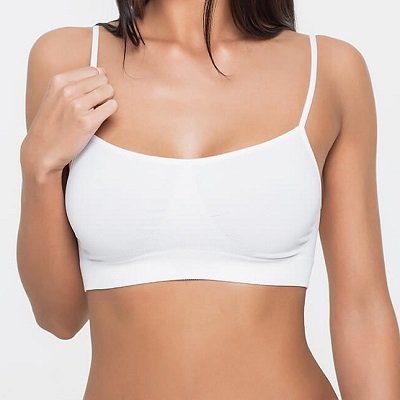
The surgical bra or supportive garment should be worn according to the surgeon’s instructions. It can reduce movement and provide support while the breasts heal.
Patients should also avoid putting pressure directly on the breasts. Sleeping positions may need to be modified temporarily, with many surgeons recommending sleeping on the back and keeping the upper body slightly elevated.
Warning signs should not be ignored. Increasing redness, significant swelling on one side, worsening pain, unusual drainage, fever, shortness of breath, or other concerning symptoms should prompt contact with the surgical team or appropriate medical service.
Weeks Two to Four: Gradually Returning to Normal Activities
By the second week, many patients begin feeling more comfortable, although healing is still underway. Bruising often starts to fade, and swelling gradually decreases. Some people may return to desk-based work or other light activities depending on how they feel and the nature of their occupation.
Physical activity should still be introduced gradually. A patient should not assume that feeling better means the internal tissues are fully healed.
Activities involving heavy lifting or repeated upper-body movement may need to remain restricted. Exercise should only be resumed according to the surgeon’s guidance.
The breasts may continue to feel firm, numb, sensitive, or uneven during this period. Temporary changes in sensation can occur because small nerves are affected during surgery. Sensation often changes as healing progresses, although recovery varies.
Follow-up appointments are important during this stage. The surgical team can assess the incisions, monitor healing, and advise when particular activities can safely resume.
For anyone undergoing Breast Lift Surgery in Muscat, planning recovery around work and personal responsibilities can make this stage easier. Arranging appropriate time away from physically demanding duties can help prevent unnecessary strain on healing tissues.
Caring for Breast Lift Incisions and Scars
Scarring is an expected part of breast lift surgery. The size and location of scars depend on the technique used and the amount of reshaping required.
During the early healing period, scars may appear red, raised, or darker than the surrounding skin. This does not necessarily indicate a problem. Scars commonly mature gradually over several months and can continue changing for a year or longer.
Patients should avoid applying creams, oils, silicone products, or other treatments to fresh incisions unless the surgical team recommends them. Once the wounds have sufficiently healed, a surgeon may suggest specific scar-care options.
Sun protection is also important. Newly healed scars can become more noticeable with excessive sun exposure. Protecting the area from direct sunlight and following professional recommendations can help support better scar maturation.
It is also important not to scratch, pick, or pull at healing incisions. Even when an incision looks externally healed, deeper tissues may still be recovering.
Nutrition, Hydration, and Healthy Habits During Recovery
Good general health can support the body’s healing process. After surgery, adequate nutrition and hydration are particularly important.
A balanced diet containing sufficient protein, vegetables, fruits, whole grains, and other nutrient-rich foods can provide the body with resources needed for tissue repair. Patients should follow any dietary instructions provided by their healthcare team.
Adequate fluid intake can also help maintain normal hydration unless a medical condition requires fluid restriction.
Smoking and nicotine exposure deserve particular attention. Nicotine can interfere with blood circulation and wound healing, potentially increasing the risk of complications. Patients who smoke or use nicotine products should discuss this with their surgical team before and after surgery.
Alcohol may also be restricted during parts of the recovery period, particularly when patients are taking certain medications. Instructions should be followed carefully rather than relying on general assumptions.
A healthy recovery is not about following a perfect routine. It is about consistently giving the body the conditions it needs to heal.
Understanding Swelling, Breast Shape, and the Final Results
One of the most common sources of concern after breast lift surgery is that the breasts may not immediately look as expected.
Swelling can make the breasts appear higher, firmer, or less natural during the early weeks. The skin and breast tissue may feel tight, and the final contour may not become apparent immediately.
As swelling decreases and the tissues soften, the breasts gradually settle into their longer-term shape. The nipples and areolas may also appear different during early healing before their position and surrounding tissue become more natural.
Breast symmetry can also fluctuate. Minor differences between the breasts are common naturally, and temporary postoperative asymmetry can occur as each side heals at a slightly different rate.
Patients should generally avoid judging the final result too early. Healing occurs in stages, and patience is an important part of the recovery process.
The long-term outcome can also be affected by future pregnancy, significant weight changes, aging, and natural changes in skin elasticity. A breast lift can create a lasting improvement in breast position and shape, but it cannot prevent future changes to the body.
Long-Term Aftercare and Protecting the Surgical Result
Once the initial recovery period has passed, long-term care becomes simpler. Patients can gradually return to their normal lifestyle after receiving appropriate clearance.
Maintaining a stable weight can help preserve the breast contour. Significant weight fluctuations can stretch the skin and affect the shape achieved through surgery.
Supportive clothing may be useful during exercise and other activities that involve breast movement. The appropriate level of support depends on the activity and individual comfort.
Regular medical follow-up may also be recommended, particularly if there are ongoing concerns about breast changes, scars, sensation, or healing.
Patients should also continue routine breast health practices appropriate for their age and risk factors. Breast lift surgery does not replace standard breast screening or medical evaluation of new breast symptoms.
For individuals researching Breast Lift Surgery in Muscat, selecting a qualified and appropriately trained plastic surgeon is an important part of the process. During a consultation, patients should have the opportunity to discuss surgical technique, expected results, recovery requirements, possible complications, scar placement, and aftercare.
Frequently Asked Questions
1. How long does recovery from breast lift surgery take?
Recovery varies between individuals. Many patients can return to lighter daily activities within a few weeks, but complete healing takes longer. Swelling, scar changes, and alterations in breast sensation may continue for several months. The surgical team can provide a more specific timeline based on the procedure performed.
2. When can normal exercise be resumed after a breast lift?
Light movement may be encouraged relatively early, but strenuous exercise, heavy lifting, and activities involving significant chest or upper-body movement usually need to wait until the surgeon gives clearance. Returning to exercise too quickly can place unnecessary stress on healing tissues.
3. Is swelling normal after breast lift surgery?
Yes, swelling is a common part of healing. It can make the breasts look uneven or unusually firm during the early recovery period. Swelling generally decreases gradually, although the timeline differs from person to person.
4. How should breast lift scars be cared for?
Incisions should be cared for according to the surgical team’s instructions. Patients should not apply products to healing wounds unless recommended. After the incisions have sufficiently healed, specific scar-management options may be discussed. Protecting mature scars from excessive sun exposure is also important.
5. Can breast lift results change after pregnancy or weight loss?
Yes. Pregnancy, breastfeeding, substantial weight changes, aging, and changes in skin elasticity can affect breast shape after surgery. Patients who are considering future pregnancy may wish to discuss the timing of surgery with a qualified surgeon.
6. When should a patient contact the surgical team after breast lift surgery?
Patients should promptly seek professional advice if they experience symptoms such as rapidly increasing swelling, severe or worsening pain, significant redness, fever, unusual wound drainage, breathing difficulties, or other unexpected changes. The surgical team should provide specific instructions about which symptoms require urgent attention.
Read More About Breast Lift Surgery: https://autopedia.co.uk/events/oman/muscat/muscat-1/breast-lift-surgery-results-when-will-your-breasts-settle/