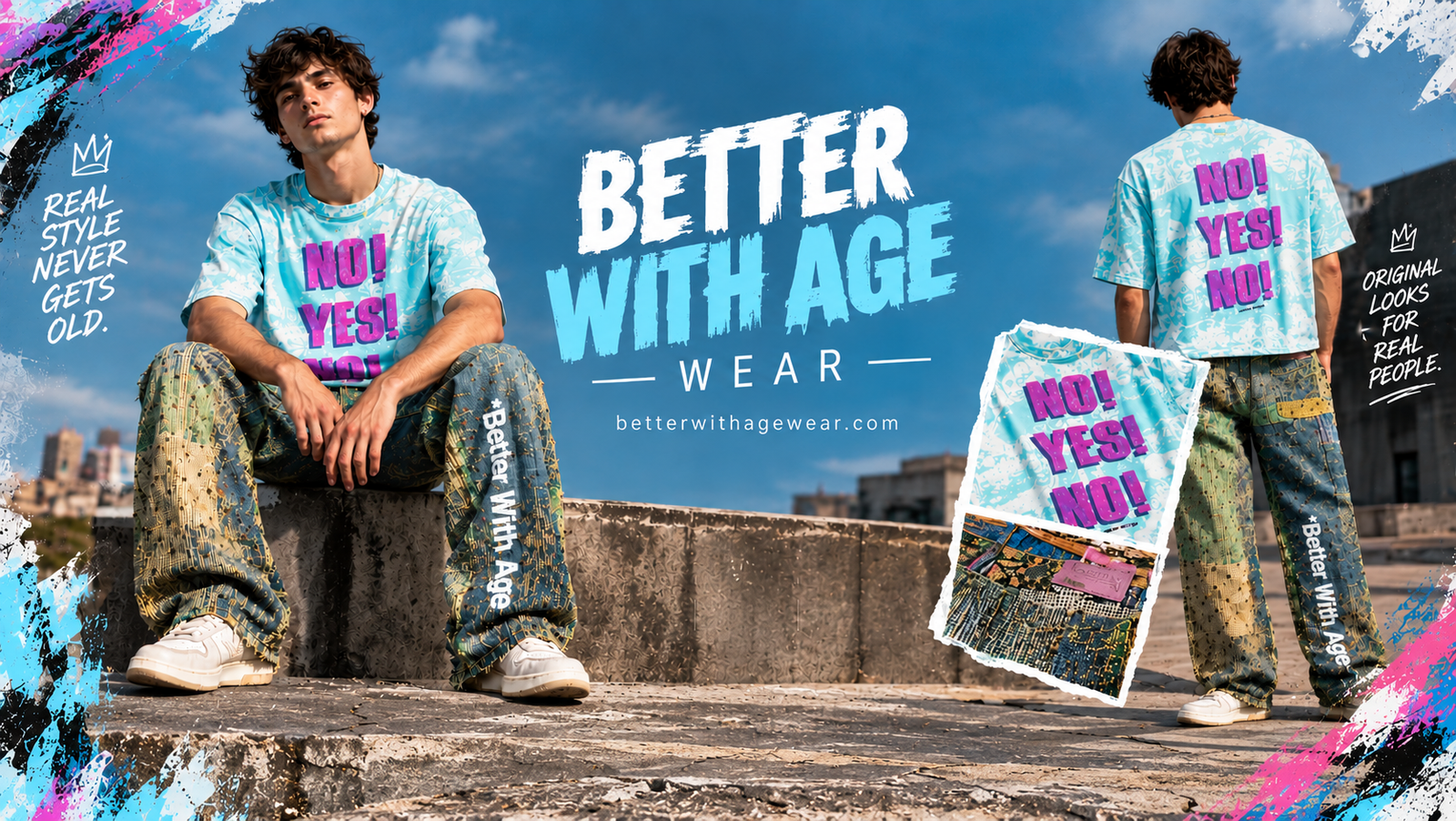
In today’s hyper-accelerated retail environment, fast fashion brands churn out thousands of new micro-trends every week. Ultra-low price tags and endless style options offer immediate gratification, but this model comes at a steep hidden cost. Rapid fabric degradation, poor garment construction, and environmental waste have led conscious consumers to rethink their shopping habits. Increasingly, style-conscious buyers are shifting away from disposable garments in favor of durable, heirloom-quality pieces. When you invest in better with age clothing, you choose garments designed to endure, evolving in character and personal aesthetic as time passes rather than falling apart after a few washes.
This article explores the fundamental differences between fast fashion and quality-driven craftsmanship, analyzing raw materials, structural engineering, economic value, and environmental sustainability.
1. The Fast Fashion Problem: Built to Be Broken
The modern fast fashion model relies on planned obsolescence. To keep production costs low and encourage constant repurchasing, fast fashion manufacturers intentionally compromise on material quality and construction standards.
Short-Staple Fibers & Synthetic Blends
Most fast fashion garments are made from low-grade synthetic materials like polyester, nylon, and acrylic, or short-staple cheap cotton. Short cotton fibers are weak and easily fray under tension, causing:
- Excessive pilling and fabric thinning after initial washes.
- Unraveling seams and blown-out stitching.
- Loss of structural shape, resulting in sagging necklines and twisted torsos.
Chemical Finishes over Authentic Quality
To make cheap fabrics feel soft on retail racks, low-cost manufacturers douse garments in chemical softeners and synthetic silicone washes. However, these surface treatments wash out after one or two laundries, leaving behind a harsh, misshapen garment that quickly ends up in a landfill.
2. The Craftsmanship Approach: Engineering Durability
By contrast, slow fashion and premium heritage apparel prioritize longevity, material integrity, and precision tailoring over high-speed mass production.
Superior Raw Materials
High-grade apparel relies on long-staple organic cotton, heavy-duty wool, authentic indigo-dyed canvas, and dense weaves. Long-staple fibers feature far fewer exposed ends when spun into yarn, resulting in exceptional tensile strength, minimal pilling, and resistance to tearing.
Reinforced Construction Techniques
- Bar-Tack Stitching: Heavy stitch clusters at high-strain areas like pocket corners and zipper bases prevent seam failure.
- Flat-Felled Seams: Double-stitched encased seams protect internal edges from fraying while providing extra structural rigidity.
- Heavy-Duty Hardware: Solid brass zippers, custom copper rivets, and reinforced horn buttons resist breakage under heavy daily wear.
3. Outerwear Comparison: Fast Fashion Coats vs. Heritage Outerwear
Outerwear provides the clearest contrast between disposable garments and enduring fashion investments. Fast fashion jackets frequently utilize paper-thin polyester linings, fragile synthetic shells, and weak zipper tracks that fail within a single season.
Investing in a well-crafted better with age Jacket offers a stark contrast. Built from heavy-duty canvas, selvedge denim, or genuine leather, premium outerwear is engineered to shield you from the elements while developing a rich, personalized patina over years of continuous use. Rather than degrading, high-quality outerwear absorbs life’s scuffs and wear patterns, looking better with each passing season.
4. The True Cost: Cost-Per-Wear (CPW) Analysis
While fast fashion appears cheaper at the checkout counter, a simple Cost-Per-Wear (CPW) calculation reveals its true financial inefficiency.
Cost-Per-Wear=PurchasePriceNumberofTimesWorn
Cost-Per-Wear Comparison
| Metric | Fast Fashion Hoodie | Premium Heritage Hoodie |
| Initial Purchase Price | $30 | $180 |
| Lifespan | 10 washes (~15 wears before damage) | 5+ years (~300+ wears) |
| Cost-Per-Wear | $2.00 per wear | $0.60 per wear |
| Long-Term Value | Low (Requires frequent replacement) | High (Maintains shape & value) |
When evaluated over time, purchasing one high-quality piece proves significantly more economical than continually replacing cheap garments.
5. Environmental & Ethical Impact
The environmental consequences of fast fashion are staggering:
- Landfill Waste: Millions of tons of synthetic, non-biodegradable clothing are incinerated or dumped in landfills annually.
- Microplastic Pollution: Synthetic fabrics release hundreds of thousands of microplastic fibers into oceans during every wash cycle.
- Exploitative Labor: Low price points depend on underpaid factory labor working in unsafe conditions.
Choosing durable, ethically produced garments directly counters this cycle. Quality pieces are kept in wardrobes for decades or resold in secondhand markets, dramatically reducing textile waste and resource consumption.
6. Versatility Across All Seasons
A well-curated wardrobe built on quality principles transitions effortlessly across seasons. In cooler weather, heavyweight jackets and structured denim provide warmth and durability. When warm weather arrives, switching to well-constructed bottoms like a durable better with age Short ensures you retain comfort, breathable performance, and rugged style without sacrificing structural quality.
7. Conclusion: Choosing Longevity Over Trends
Fast fashion offers short-lived novelties that quickly lose their appeal and physical form. Investing in quality apparel means building a personal wardrobe that reflects character, authenticity, and sustainability. When garments are made with pride, care, and superior materials, they don’t just survive time they elevate with it.
Frequently Asked Questions
Q1: Why is quality clothing so much more expensive upfront?
High-grade apparel costs more initially due to the use of premium long-staple raw fibers, ethical labor standards, specialized weaving techniques (like selvedge looms), and reinforced stitching methods that require more time and skilled labor.
Q2: How can I tell if a garment in a store is well-made?
Check the seams and stitching density. Look for tight, uniform stitches with no loose threads, heavy-duty hardware (like YKK or brass zippers), reinforced pocket corners, and natural fiber compositions (100% long-staple cotton, wool, or linen).
Q3: Does quality clothing require special care?
While durable garments are physically stronger, caring for them properly extends their lifespan further. Wash in cold water on gentle cycles, avoid harsh chemical detergents, air-dry whenever possible, and repair minor wear early.
Q4: Are synthetic fabrics always bad?
Not necessarily. Technical synthetic blends engineered for specialized outerwear or athletic performance serve specific functional purposes. However, cheap synthetic blends used in everyday fast fashion casual wear generally degrade quickly and contribute to microplastic waste.
Q5: Can heritage garments be repaired if they tear?
Yes! One of the greatest benefits of high-quality natural fabrics is their ease of repair. Techniques like sashiko stitching, darning, or professional tailor patching add unique character to broken-in garments rather than ruining them.