
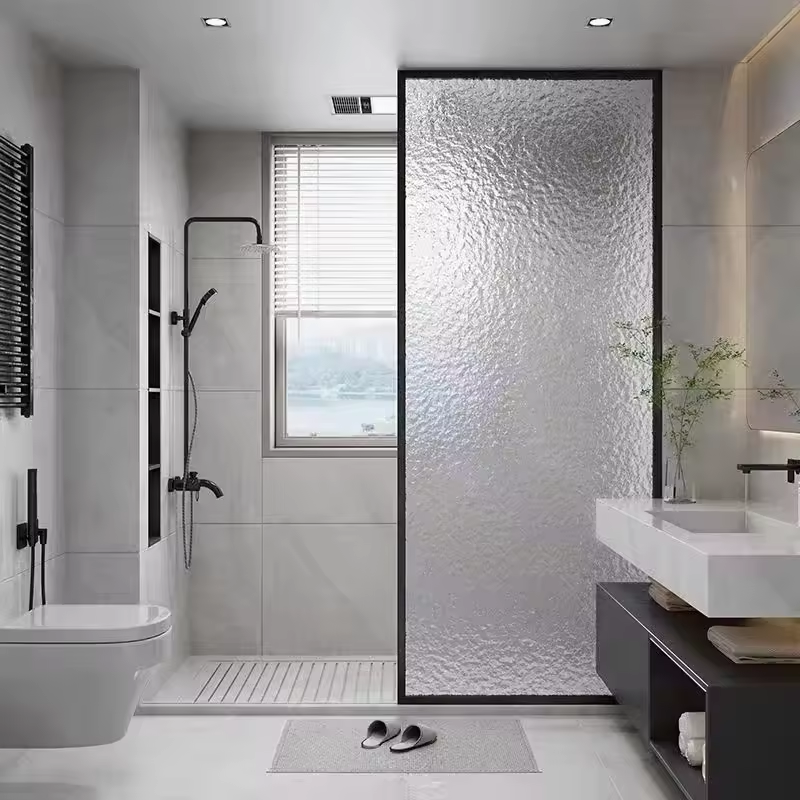
A well-planned bathroom should look attractive, separating wet and dry zones while giving the room a brighter, more open appearance. It also helps stop shower water from spreading across tiles, cabinets, and nearby fixtures.
Unlike a shower curtain, glass stays firmly in place. It gives the space a permanent finish. Glass type, thickness, hardware, drainage, measurements, and fitting quality all affect safety and daily performance. This 2026 guide covers the key designs, benefits, costs, and installation steps.
What Is a Bathroom Glass Partition?
A bathroom glass partition is a fixed panel, movable door, or complete enclosure fitted beside a shower or bathtub. It creates a clear boundary between the wet area and the toilet, vanity, storage, or doorway.
Common layouts include fixed screens, sliding doors, hinged doors, folding panels, and corner enclosures. They suit homes, hotels, gyms, salons, offices, and other commercial properties.
A single panel blocks direct spray while keeping the entrance open. A full enclosure surrounds more of the shower for stronger water control. Either can work when the layout matches the room and shower position.
Benefits of Installing a Glass Partition
Keeps Water Inside the Shower
A correctly sized bathroom glass partition reduces splashes reaching the floor, vanity, toilet, or doorway. This keeps the dry zone more usable and can lower the risk created by wet, slippery tiles.
Gives the Bathroom a Modern Look
Glass creates clean lines and shows more of the tile design. Clear panels feel simple and open, while black grids, warm metal fittings, tinted glass, or fluted surfaces can create a stronger style.
Makes Small Rooms Feel Larger
Transparent glass allows light to travel through the bathroom. Because it does not form a solid visual wall, the room can appear wider and less crowded.
Supports Better Hygiene
Glass does not absorb moisture like fabric. It can be wiped and dried after use, helping control soap marks, mineral deposits, dirt, and mold around seals.
Adds Lasting Value
A neat shower area improves the impression of a home, hotel, rental unit, or commercial washroom. Quality safety glass and corrosion-resistant fittings can provide years of service with proper care.
Popular Glass Partition Types
Fixed Glass Partition
A fixed bathroom glass partition is a stationary screen for walk-in showers or bathtubs. It is easy to clean and often costs less than a full enclosure, but it must be wide enough to catch the main spray.
Sliding Glass Partition
A sliding door moves along a track, so it needs no outward-opening space. It is a practical choice when a toilet, vanity, wall, or towel rail sits close to the shower entrance.
Hinged Glass Door
A hinged door provides a wide entrance and a premium look. It needs safe opening clearance, strong fixing points, and accurate hinge alignment.
Folding Glass Partition
Folding or bifold panels save space and work well in narrow rooms or bath-shower combinations. Bifold glass panels were also recognized among notable bathroom products in 2026. med, and Semi-Frameless
Frameless systems use minimal channels, brackets, and hinges for an open luxury finish. Walk-in layouts, curved forms, and architectural glass showers remain visible in 2026 design coverage. metal around more edges for solid support and water control. Semi-frameless models balance cleaner styling with added structure.
| Type | Space Need | Maintenance | Appearance | Price Level |
| Fixed | Low | Easy | Minimal | Lower |
| Sliding | Low | Tracks need cleaning | Practical | Medium |
| Hinged | Medium to high | Easy | Premium | Medium to high |
| Folding | Low | More joints | Flexible | Medium |
| Frameles | Varies | Few frame edges | Luxury | Medium to high |
| Framed | Varies | More edges | Strong and practical | Lower to medium |
Best Glass Options for Bathroom Partitions
Clear glass keeps the room bright and displays tile details. Frosted glass provides more privacy while allowing light through. Tinted glass adds color and limits direct visibility. Textured or fluted glass combines privacy with decorative detail.
For most showers, tempered safety glass is the practical standard. It is heat-treated for strength and designed to break into smaller pieces rather than long, sharp shards. Major safety rules cover shower and bathtub glazing, while independent programs test glass against recognized impact standards. Ranges commonly offer 6 mm, 8 mm, and 10 mm tempered glass. The correct thickness depends on panel size, support method, door weight, and the tested hardware system. It’s an interlayer to retain fragments and may suit specialized applications. Cutting, drilling, notching, and polishing must be completed before tempering.
Bathroom Glass Partition Design Ideas for 2026
Current bathroom glass partition designs favor spa-like openness, warmer metal finishes, textured surfaces, space-saving openings, and more personal color choices. ude:
- Floor-to-ceiling glass panels
- Minimal frameless walk-in screens
- Slim black industrial grids
- Brushed brass, bronze, or gold hardware
- Frosted privacy strips at eye level
- Fluted or textured privacy glass
- Corner shower enclosures
- Fixed bathtub screens
- Curved panels or arched entrances
- Custom glass for unusual layouts
A bathroom glass partition should coordinate with tiles, mirrors, taps, shower fittings, and vanity handles. Limiting the room to one main metal finish usually creates a cleaner result.
How Much Does a Bathroom Glass Partition Cost in 2026?
The UAE cost of a bathroom glass partition varies by size and specification. Current published examples start around AED 595–800 for ready-made framed or semi-frameless products.
Custom suppliers quote roughly AED 1,500–2,500 for standard partitions, while premium tinted work may start at AED 3,500. Larger frameless enclosures can reach AED 4,500–10,000 or more. These are market examples, not fixed quotations. Potential Impact |
|—|—|
| Standard clear glass | Lower |
| Frosted, tinted, or fluted glass | Medium |
| Fixed panel | Lower |
| Sliding or folding system | Medium |
| Frameless enclosure | Medium to high |
| Custom or curved glass | High |
| Premium imported hardware | High |
| Difficult access or tile repair | Medium to high |
Price also depends on thickness, edge work, cut-outs, fittings, transport, removal, sealing, and waterproofing repairs. Request an itemized quote showing materials, labor, warranty, and exclusions.
How to Choose the Right Glass Partition
Measure the shower opening, floor slope, curb, wall angles, and ceiling height. Check whether a door can open without hitting another fixture.
Decide how much privacy is needed. Clear glass suits private bathrooms, while frosted or textured glass may work better in shared homes, gyms, salons, and commercial spaces.
For a compact room, a fixed screen or sliding bathroom glass partition usually works better than a wide outward-opening door. Larger rooms may suit hinged frameless enclosures.
Choose suitable safety glass and wet-area hardware. Confirm that walls and floors are level and strong enough for the fixings. Frameless fixed panels have fewer edges to clean, while sliding tracks need regular care.
Installation Process
Professional fitting normally includes:
- Inspecting tiles, drainage, and fixing surfaces
- Measuring the opening at several points
- Confirming the design, thickness, and hardware
- Preparing drawings and an itemised quotation
- Cutting, drilling, polishing, and tempering the glass
- Marking fixing points and protecting nearby finishes
- Installing channels, hinges, brackets, or rollers
- Placing, levelling, and aligning each panel
- Fitting handles, seals, guides, and support bars
- Applying bathroom-grade silicone
- Testing movement, stability, clearances, and water control
A professionally fitted Bathroom Glass Partition is less likely to leak, shake, scrape, or place uneven pressure on the glass. Careful drilling also helps prevent cracked tiles and weak fixing points.
Maintenance and Cleaning Tips
Use a squeegee after each shower and clean with a soft cloth and non-abrasive product. Avoid rough pads, blades, and harsh chemicals that may damage coatings or metal finishes.
Keep sliding tracks free from hair and soap. Check hinges, handles, brackets, seals, and support bars. Replace split or mouldy silicone rather than covering it.
Good ventilation helps the room dry. Run the exhaust fan or leave the bathroom door open after use. Do not hang heavy towels or storage items from glass handles.
How to Choose a Glass Partition Installer
A dependable contractor should offer examples of similar shower work, clear glass and hardware specifications, and a written warranty.
Check for:
- Professional on-site measurement
- Traceable tempered safety glass
- Suitable glass thickness
- Corrosion-resistant fittings
- Tile protection during drilling
- Proper sealing and alignment
- Installation warranty
- Clear project schedule
- After-sales support
The quote should state the schedule and inclusions. Compare at least two or three offers based on the same design and material grade. A vague quote makes a fair comparison difficult.
Final Thoughts
A professionally installed Bathroom Glass Partition keeps floors drier, improves hygiene, makes the room feel larger, and adds a modern finish. Good results depend on safety glass, durable hardware, precise measurements, and careful sealing.
Before ordering a Bathroom Glass Partition, arrange a site visit with an experienced glass company. Request material samples, a measured drawing, and a detailed quotation to avoid leaks, resizing, damaged tiles, or poor door clearance.
Frequently Asked Questions
1. What glass is best for a shower partition?
Tempered safety glass is the common choice because it is stronger than standard glass and has a safer breakage pattern. Thickness should match the panel size and tested hardware system. ess glass partition safe?
Yes. It is safe when suitable safety glass, compatible fittings, correct clearances, strong fixing surfaces, and professional installation are used. Frameless glass still relies on channels, brackets, hinges, or support bars.
3. Which type is best for a small bathroom?
A fixed walk-in screen, sliding door, or folding panel usually saves the most space. The right choice depends on spray direction, shower position, and entrance width.
4. How long does installation take?
A simple fitting may be completed in one site visit after the custom glass is ready. Complex enclosures, tile repairs, waterproofing work, or special hardware can take longer.
5. How can water spots be reduced?
Squeegee the glass after use, clean it regularly with a non-abrasive product, and improve ventilation. A protective coating may help, but routine cleaning is still necessary.