Aspadol 100mg Tablet and Withdrawal Issues: Symptoms, Risks, and Safer Support
Introduction: Aspadol 100mg may contain tapentadol, an opioid pain medicine. Stopping it suddenly after regular use can cause withdrawal, so medical guidance is important.
Key Takeaways
- Tapentadol is a prescription opioid used for certain types of moderate to severe pain.
- Physical dependence can develop even when the medicine has been taken as prescribed.
- Suddenly stopping tapentadol may cause sweating, anxiety, muscle aches, nausea, diarrhoea, and sleep problems.
- A clinician-guided dose reduction can help reduce withdrawal symptoms.
- Never take extra tablets or restart treatment at a previous dose without medical advice.
- Slow breathing, inability to wake, or blue or grey lips may indicate an overdose and require emergency help.
- Avoid unverified online sellers and never use cryptocurrency offers as proof that a medicine is genuine.
1. What Is Aspadol 100mg Tablet?
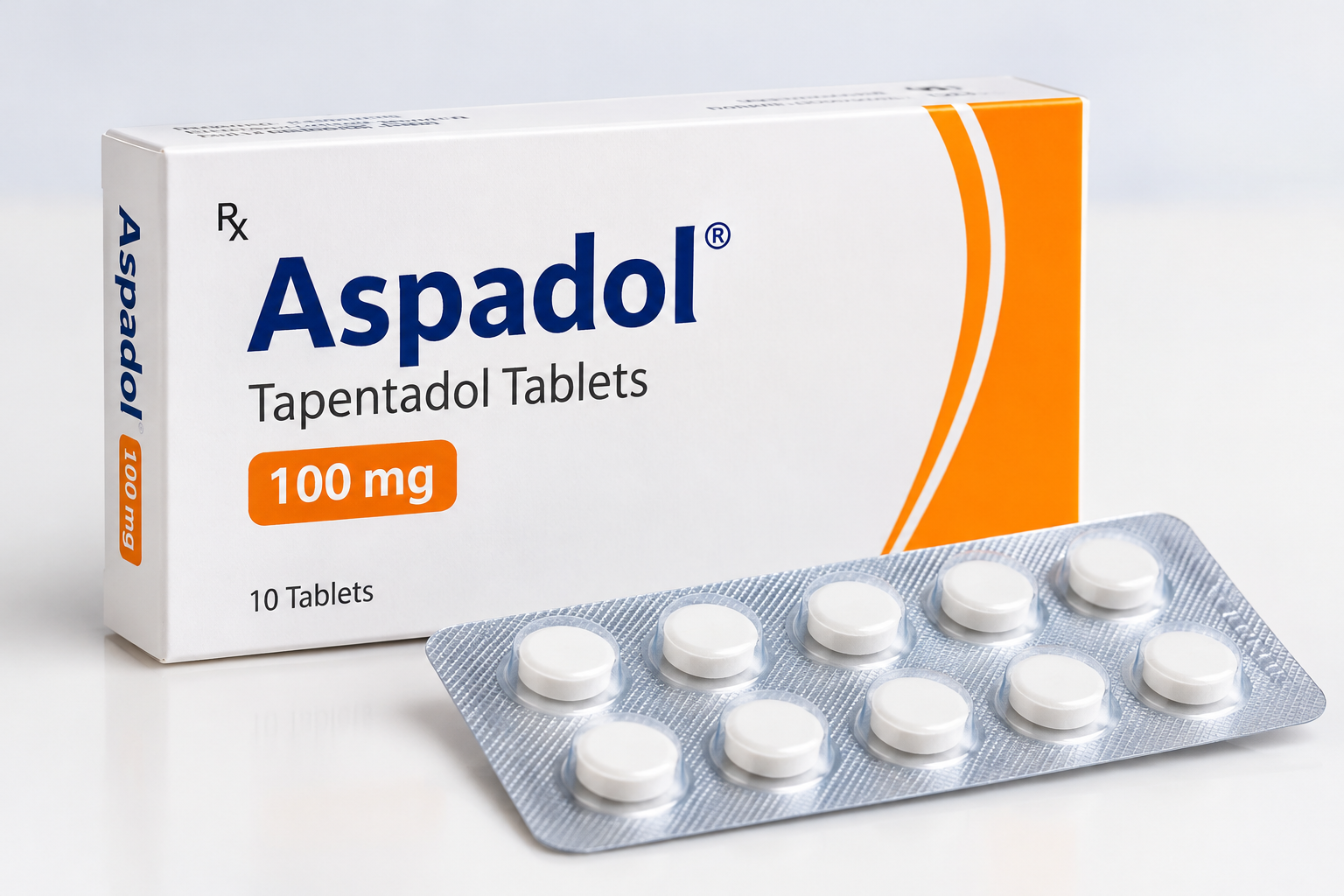
Aspadol is a brand name associated with tapentadol in some markets. However, the active ingredient and formulation should always be checked on the actual packaging and patient information leaflet. A product name alone does not confirm its contents or approval status.
Tapentadol is an opioid analgesic. It acts on the central nervous system to change how pain signals are processed. It may be prescribed for certain forms of acute severe pain and, in appropriate formulations, some types of persistent pain caused by nerve damage.
The medicine can be helpful when it is prescribed for a suitable condition and used under professional supervision. However, it also carries important risks. These include sleepiness, breathing problems, misuse, addiction, overdose, and physical dependence.
The term physical dependence means the body has adapted to regular exposure to a medicine. If the dose is suddenly reduced or stopped, withdrawal symptoms may develop. This can happen even when a person has followed the prescription.
Physical dependence does not automatically mean that someone has an addiction. Addiction, or opioid use disorder, involves a broader pattern of difficulty controlling use despite harmful consequences. Both concerns deserve respectful, professional care.
2. Why Can Withdrawal Occur After Tapentadol?
Tapentadol affects opioid receptors and also influences noradrenaline reuptake. With repeated use, the nervous system adapts to the medicine’s effects. As a result, the body may begin to rely on its continued presence to maintain its usual balance.
When treatment is stopped suddenly, the nervous system needs time to readjust. During this period, physical and emotional symptoms may occur. This process is known as opioid withdrawal.
The likelihood and severity of withdrawal vary. Relevant factors include the dose taken, how long treatment has continued, the formulation, other medicines, and a person’s general health. A person who has taken tapentadol regularly for an extended period may have a greater risk of significant withdrawal than someone who has used it briefly.
Withdrawal may also occur if doses are missed or reduced too quickly. Therefore, anyone who has been taking tapentadol regularly should speak with the prescribing clinician before changing the treatment plan.
Official patient information advises against stopping tapentadol suddenly without discussing a suitable reduction plan with a healthcare professional. <Cite refs={[“turn900555search0″,”turn900555search2”]} />
3. Common Aspadol and Tapentadol Withdrawal Symptoms
Withdrawal symptoms can affect the body, sleep, mood, and digestion. Not everyone experiences the same symptoms, and their intensity can vary.
Physical symptoms
Common physical symptoms include:
- Muscle, back, or joint aches.
- Sweating, chills, or shivering.
- A runny nose, watery eyes, and frequent yawning.
- Nausea, vomiting, stomach cramps, or diarrhoea.
- Reduced appetite.
- Weakness or fatigue.
- Restlessness and difficulty getting comfortable.
- A rapid heartbeat or increased blood pressure.
- Trouble falling asleep or staying asleep.
These symptoms can be distressing. Vomiting and diarrhoea may also cause dehydration, particularly when fluids cannot be kept down.
Emotional and sleep-related symptoms
Some people experience anxiety, irritability, agitation, low mood, or difficulty concentrating. Sleep may become disrupted, and normal daily activities can feel harder to manage.
A person may also experience increased pain as the medicine is reduced or stopped. This may reflect the return of the original condition, withdrawal-related discomfort, or increased sensitivity to pain. A clinician can help distinguish between these possibilities.
Severe confusion, hallucinations, seizures, or other unusual symptoms should not automatically be assumed to be routine withdrawal. Urgent medical assessment is needed, especially if other medicines or substances may be involved.
4. How Long Can Tapentadol Withdrawal Last?
There is no single timeline that applies to everyone. Symptoms depend on the formulation, the amount taken, the duration of use, individual metabolism, other health conditions, and whether the medicine was reduced gradually or stopped suddenly.
Some symptoms may begin after a dose is missed or the medicine is stopped. Others may develop later. The course can also differ between immediate-release and extended-release formulations.
For that reason, a precise withdrawal timetable should not be used to decide when to stop treatment or when it is safe to return to normal activities. A clinician or pharmacist can explain what may be expected for the specific product and treatment history.
If symptoms are becoming more severe, fluids cannot be kept down, or there is marked weakness, contact a healthcare professional promptly. If there is breathing difficulty, unconsciousness, a seizure, or another medical emergency, seek emergency care.
5. How to Stop Aspadol More Safely
If tapentadol is no longer needed, a prescriber may recommend reducing the dose gradually. The plan should be personalised rather than copied from a general online schedule.
A suitable plan may take account of the daily dose, treatment duration, pain condition, previous withdrawal symptoms, mental health, and other medicines. People who have taken opioids for longer periods may need a slower and more closely monitored reduction.
Do not abruptly stop regular tapentadol treatment without medical guidance. However, if you suspect an overdose or experience a serious reaction, seek emergency help rather than taking another dose.
A safer reduction plan may include:
- Reviewing treatment with a clinician. Explain the dose, formulation, duration of use, pain symptoms, and any concerns about dependence.
- Agreeing on a personalised reduction plan. The speed and steps should be determined by the prescriber.
- Monitoring symptoms. Report significant withdrawal symptoms, worsening pain, mood changes, or difficulty following the plan.
- Reviewing other pain treatments. Non-opioid medicines, physical therapy, rehabilitation, or other approaches may be appropriate depending on the diagnosis.
- Getting follow-up support. Further adjustments may be needed if symptoms become difficult to manage.
If withdrawal symptoms appear during a planned reduction, contact the prescriber. The plan may need to be reviewed. Do not independently increase the dose, take someone else’s medicine, or combine opioids with alcohol or sedatives to manage discomfort.
The prescribing information for tapentadol recommends gradual, individualised reduction for people who may be physically dependent. <Cite refs={[“turn900555search2″,”turn900555search5”]} />
6. Managing Withdrawal Symptoms With Professional Support
There is no single home remedy that safely treats every case of opioid withdrawal. Support should be matched to the symptoms and the person’s health.
For mild symptoms, a clinician may recommend appropriate fluids, rest, regular light meals, and symptom-specific treatment. If vomiting or diarrhoea occurs, ask a healthcare professional or pharmacist about safe ways to replace lost fluids and electrolytes.
Do not take over-the-counter medicines, sleeping tablets, sedatives, or additional painkillers without checking whether they are safe with your medical history and current medicines. Some combinations can cause dangerous interactions.
If pain returns during withdrawal, the original pain condition should be reassessed. Options may include condition-specific treatment, physical rehabilitation, psychological support, or non-opioid pain medicines where suitable. The best approach depends on the cause and severity of the pain.
For people who are struggling to control opioid use, evidence-based treatment is available. A healthcare professional can assess for opioid use disorder and discuss appropriate treatments and counselling. Asking for help is a health decision, not a personal failure.
7. Important Safety Risks During Withdrawal
Withdrawal can be extremely uncomfortable, and it may lead some people to take extra medicine or seek opioids from unverified sources. These responses can increase the risk of overdose and other harm.
After a period of reduced use or abstinence, opioid tolerance may decrease. Returning to a previously tolerated dose can therefore be dangerous. Do not restart tapentadol at an old dose without professional advice.
Combining tapentadol with alcohol, benzodiazepines, sleeping medicines, or other substances that slow the nervous system can increase the risk of severe sedation and breathing problems.
Recognising an overdose
Call emergency services if a person taking tapentadol has any of the following:
- Slow, shallow, irregular, or stopped breathing.
- Extreme sleepiness or inability to wake.
- Blue or grey lips or fingertips.
- Collapse or loss of consciousness.
If naloxone is available and opioid overdose is suspected, use it according to its instructions while emergency help is being arranged. Follow the emergency operator’s directions. Naloxone may wear off before the opioid does, so urgent medical assessment remains necessary.
Do not leave an unresponsive person alone or assume they can simply sleep off the effects.
8. When Should You Contact a Doctor?
Contact the prescribing clinician if withdrawal symptoms develop, pain becomes uncontrolled, or you are unsure how to reduce or stop the medicine. Seek prompt advice if you experience persistent vomiting, diarrhoea, dehydration, worsening weakness, or significant changes in mood.
Tell the clinician about all medicines, supplements, and substances you use. This information helps identify interactions and guides safer treatment.
Seek urgent help for seizures, hallucinations, severe confusion, chest pain, difficulty breathing, or suicidal thoughts. If you feel at risk of harming yourself, contact emergency services or a crisis service in your country.
If you are pregnant or may become pregnant while taking tapentadol, speak with your healthcare professional. Opioid exposure during pregnancy can require specialist planning, and a newborn may experience withdrawal after birth if opioid dependence develops during pregnancy.
9. Tapentadol Safety in the USA, UK, Australia, and Europe
Tapentadol is a controlled or tightly regulated prescription medicine in many jurisdictions. The exact rules differ by country, so the medicine should be obtained only through lawful medical and pharmacy channels.
In the United States, tapentadol is a Schedule II controlled substance. Prescribing and dispensing requirements apply. The official US medicine information warns about dependence, overdose, and withdrawal after sudden discontinuation. <Cite refs={[“turn900555search6″,”turn900555search0”]} />
In the United Kingdom, patients should follow their prescriber’s instructions and obtain medicines through a legitimate pharmacy. If treatment is causing withdrawal symptoms, contact the prescribing service rather than changing the dose independently.
In Australia, speak with your doctor or pharmacist about the rules that apply to your prescription and product. Do not use medicines supplied by unverified websites.
Across Europe, authorisation and dispensing arrangements vary by country. Patients in cities such as London, Manchester, Birmingham, Sydney, Melbourne, Brisbane, Berlin, Paris, Rome, Madrid, Amsterdam, and Dublin should follow the local rules that apply to their location. A website that mentions a city is not proof that it is authorised to supply tapentadol there.
10. Online Offers, Bulk Orders, and Cryptocurrency Claims
Searches for “buy Aspadol tablet,” “Aspadol tablet 100mg,” “Tapentadol online,” or a tapentadol discount may produce websites making strong claims about price, delivery, or payment options. Those claims do not establish that a product is genuine, safe, or legally supplied.
Tapentadol should not be purchased through an unverified seller. Bulk and wholesale offers are particularly concerning when they bypass prescription requirements or provide no verifiable pharmacy credentials. Large quantities can also create additional risks involving accidental ingestion, unsafe storage, and misuse.
Some sites advertise Bitcoin, USDT, USDC, or other crypto payments. A cryptocurrency transaction does not verify the medicine’s ingredients or quality, and transfers may be difficult to reverse. Credit-card acceptance, a discount code, or a professional-looking website should not be treated as proof of legitimacy either.
The safer step is to contact a licensed healthcare professional or pharmacist about lawful access, treatment alternatives, and the cost of prescribed care. Never take a product with unclear ingredients or use tapentadol obtained from another person.
11. Frequently Asked Questions
Can Aspadol 100mg cause withdrawal?
Yes. If the product contains tapentadol and it is taken regularly, physical dependence can develop. Suddenly stopping or reducing it too quickly may cause withdrawal symptoms.
Does withdrawal mean someone is addicted?
Not necessarily. Physical dependence can develop during prescribed use. Addiction or opioid use disorder involves additional patterns of impaired control and harmful use. A healthcare professional can assess the difference.
Can I stop tapentadol immediately?
Do not abruptly stop regular treatment without discussing a plan with your prescriber. If you suspect an overdose or have a serious reaction, seek emergency care.
Can withdrawal cause pain to return?
Yes. The original pain may return, and withdrawal can also cause muscle and joint aches or increased sensitivity to pain. A clinician can help assess the cause and review treatment.
What if I have already stopped taking tapentadol?
Contact a healthcare professional for advice, especially if symptoms are significant or you had been taking it regularly. Do not restart an old dose without medical guidance because tolerance may have changed.
Is buying tapentadol online safe?
Only use lawful, authorised pharmacy channels and follow local prescription requirements. Avoid sellers that offer controlled medicines without the required medical assessment or make unsupported safety claims.
Conclusion
Aspadol 100mg may contain tapentadol, a prescription opioid that can cause physical dependence. Withdrawal may include anxiety, sweating, chills, muscle aches, stomach problems, and sleep disturbance. Symptoms differ between individuals, so a fixed online timetable cannot replace medical advice.
If you have been taking tapentadol regularly and want to stop, ask your prescriber to develop a gradual, personalised plan. Do not self-adjust the dose or use alcohol, sedatives, or unverified medicines to manage symptoms. Seek emergency help for breathing problems, unconsciousness, seizures, or other severe symptoms.