
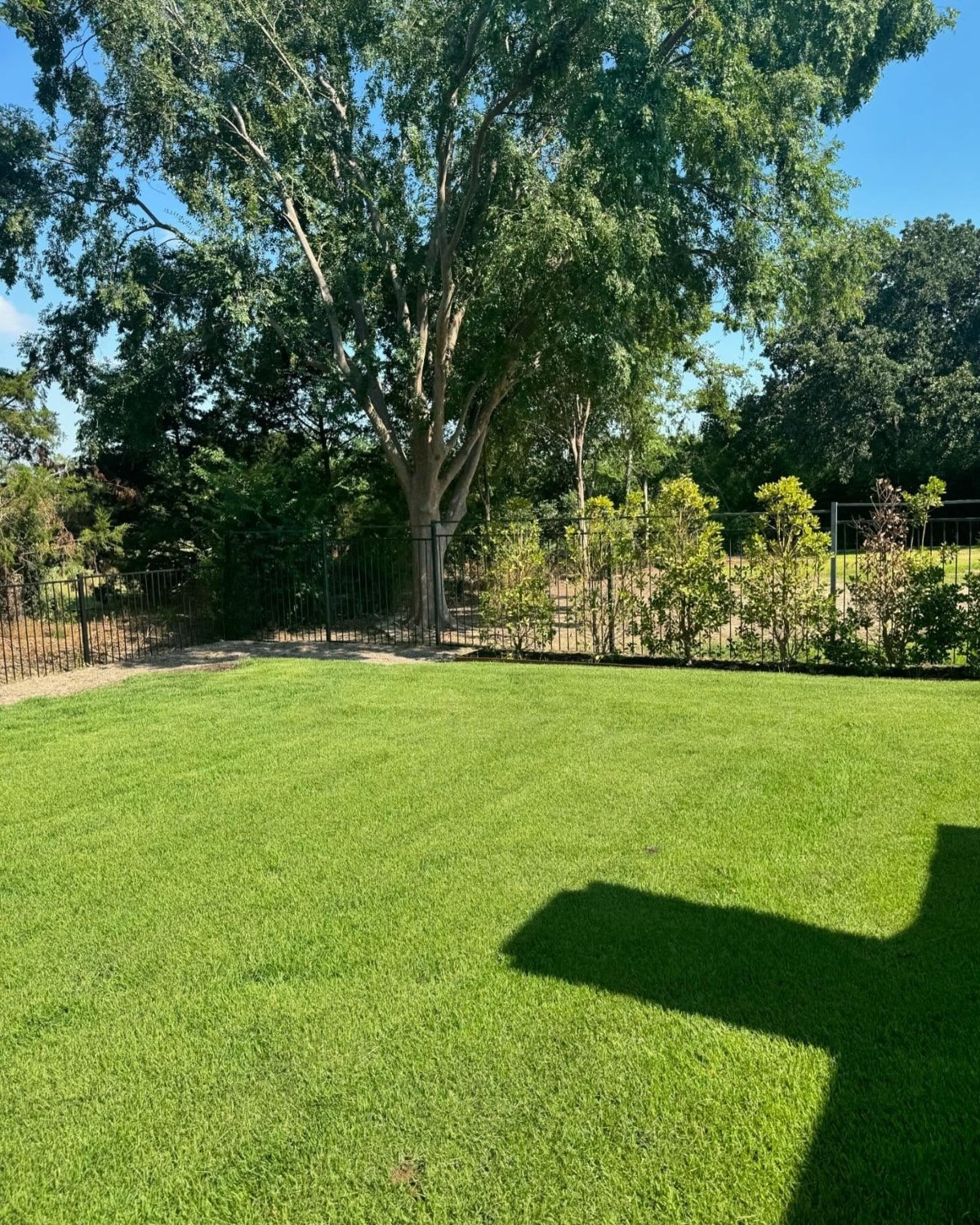
A beautiful green lawn can make a significant difference in the appearance, comfort, and value of any property. Whether you want to improve your backyard, create a welcoming front yard, or build a functional outdoor space, choosing the right type of grass is an important decision. Homeowners have two popular options to consider: artificial turf and natural sod. Both can create an attractive outdoor environment, but they offer different benefits depending on your lifestyle, budget, and maintenance expectations.
For property owners considering artificial turf installation Southlake TX or sod installation in Southlake TX, understanding these options can make the decision easier. Factors such as local weather, soil conditions, drainage, lawn usage, and long-term maintenance should all be considered before starting a landscaping project.
Understanding Artificial Turf and Natural Sod
Before choosing a lawn solution, it helps to understand how artificial turf and natural sod work.
Artificial turf is a manufactured grass surface designed to look and feel similar to natural grass. It is commonly made from durable synthetic fibers attached to a backing material. Professional installation typically includes preparing the ground, creating a stable base, installing drainage materials when needed, and securing the turf.
Natural sod is real grass that has been grown on a farm and harvested in sections with a layer of soil and roots. These sections are installed over prepared ground, allowing the grass to establish roots in the existing soil. With proper watering and care, sod can develop into a healthy, natural lawn.
Both options can improve outdoor spaces, but the right choice depends on how you plan to use your property.
Benefits of Artificial Turf Installation
Artificial turf has become a popular landscaping option for homeowners who want an attractive lawn without the regular maintenance associated with natural grass. Its appearance remains relatively consistent throughout the year, making it suitable for different outdoor settings.
Lower Routine Maintenance
One of the main advantages of artificial turf is that it does not require mowing, regular fertilizing, or reseeding. Homeowners can enjoy a green outdoor surface without spending time maintaining growing grass.
Occasional cleaning, brushing, and removing leaves or other debris are still necessary. However, these tasks are generally less demanding than maintaining a traditional lawn.
Consistent Green Appearance
Natural grass can become brown, patchy, or damaged because of heat, limited sunlight, heavy foot traffic, or insufficient watering. Artificial turf maintains its appearance throughout different seasons when properly installed and maintained.
This makes it an appealing option for front yards, backyard entertainment areas, and other spaces where consistent visual appeal is important.
Suitable for High Traffic Areas
Families with children and pets often need outdoor surfaces that can handle regular use. Artificial turf can provide a durable surface for play areas, pet spaces, and recreational sections of a property.
However, choosing suitable turf materials and installing a properly prepared base are essential for long-term performance.
Water Conservation Benefits
Artificial turf does not need regular irrigation to remain green. This can help reduce outdoor water consumption, especially during periods of hot weather.
Homeowners should still consider occasional cleaning requirements and local drainage conditions when evaluating this option.
Benefits of Natural Sod Installation
While artificial turf offers convenience, natural sod provides the appearance, texture, and environmental qualities of real grass. It remains a preferred option for homeowners who enjoy having a living lawn.
Immediate Lawn Transformation
Growing grass from seed can take considerable time, especially when weather and soil conditions are not ideal. Sod provides an immediate improvement because established grass is installed directly onto prepared ground.
Once the sections are properly placed and watered, the lawn can begin establishing roots in the soil.
Natural Appearance and Feel
Natural grass offers a soft, organic surface that many homeowners prefer. It creates a comfortable outdoor environment for walking, relaxing, gardening, and spending time with family.
A healthy natural lawn can also complement trees, flower beds, walkways, and other landscape features.
Supports Outdoor Comfort
Grass provides a natural surface that can make outdoor areas more comfortable. Unlike many hard surfaces, healthy turf can help create a cooler-feeling environment through moisture release and shade near the ground.
The overall comfort of a lawn depends on sunlight, watering, grass selection, and seasonal conditions.
Environmental Advantages
Natural grass can help reduce soil erosion by holding soil in place through its root system. It also provides a living surface that can support certain insects and contribute to the outdoor ecosystem.
With responsible watering and maintenance practices, natural sod can become a valuable part of a residential landscape.
Artificial Turf vs. Sod: Which Option Is Better?
There is no single solution that works for every property. Artificial turf and natural sod serve different purposes, so homeowners should consider their priorities before making a decision.
Here are two important considerations when comparing both options:
- Maintenance requirements: Artificial turf generally requires less routine maintenance because it does not grow. Natural sod needs mowing, watering, fertilizing, and occasional weed control to remain healthy.
- Long-term lawn preferences: Artificial turf provides a consistent appearance, while natural sod offers real grass with natural growth and seasonal changes.
Your property’s layout, available sunlight, drainage, and intended lawn usage can also influence the final choice.
Important Factors Before Installing a New Lawn in Southlake
Southlake properties experience seasonal temperature changes, warm summers, and periods of heavy rainfall. These conditions make proper planning important for both artificial turf and natural sod projects.
Evaluate Existing Soil Conditions
Soil quality affects how well natural grass establishes roots. Compacted soil, poor drainage, and uneven ground can create problems if they are not addressed before installation.
For artificial turf, ground preparation is equally important. A stable and properly graded base helps prevent uneven areas and supports effective water drainage.
Consider Drainage Requirements
Water should move away from the lawn rather than collecting in low spots. Poor drainage can lead to muddy areas, standing water, and damage to surrounding landscape features.
Artificial turf installations require a suitable base and drainage plan. Natural sod also benefits from properly prepared soil that allows excess water to move through the ground.
Think About Sunlight and Shade
Some parts of a property receive direct sunlight throughout the day, while others remain shaded by trees or buildings. These differences can affect natural grass growth.
Before selecting sod, consider the amount of sunlight available in each area. For artificial turf, evaluate heat exposure and choose materials appropriate for the intended location.
Preparing for Professional Lawn Installation
A successful lawn project begins before the first piece of turf or sod is installed. Proper preparation helps create a smooth, functional surface and reduces the likelihood of future problems.
Steps Involved in Artificial Turf Installation
Professional artificial turf installation generally involves several stages:
- Site inspection: The installation area is evaluated for ground conditions, drainage, measurements, and existing landscaping features.
- Ground preparation: Existing grass, weeds, and unwanted materials are removed before the surface is graded.
- Base installation: Suitable base materials are added and compacted to create a stable foundation.
- Turf placement: Artificial grass sections are positioned, joined, and secured to create a consistent surface.
- Final inspection: Edges, seams, drainage, and surface appearance are checked before the area is ready for use.
Following these steps helps create a durable installation that looks attractive and performs as expected.
Steps Involved in Sod Installation
Natural sod installation also requires careful preparation and attention to detail.
- Remove existing vegetation: Old grass, weeds, and unwanted debris are cleared from the installation area.
- Prepare the soil: The ground is loosened, graded, and improved when necessary to support root development.
- Install fresh sod: Grass sections are placed closely together, with seams arranged to create an even appearance.
- Water thoroughly: Fresh sod needs adequate moisture to establish roots in the existing soil.
- Monitor establishment: Watering, foot traffic, and mowing should be managed carefully during the initial growing period.
Following appropriate aftercare instructions is essential for helping new sod develop into a healthy lawn.
Maintaining Your New Lawn
Although artificial turf and natural sod have different maintenance requirements, both benefit from regular attention.
Artificial turf should be kept free of leaves, dirt, and other debris. Brushing high-traffic areas can help maintain the grass fibers, while occasional rinsing can remove dust and surface residue. Pet owners may need additional cleaning to maintain hygiene.
Natural sod requires more consistent care. Regular watering is especially important during the establishment period. Once the grass becomes established, mowing at an appropriate height, monitoring soil moisture, and addressing weeds can help maintain its health.
Homeowners should also avoid placing excessive weight on newly installed sod until its roots have had sufficient time to establish.
Creating a Lawn That Complements Your Property
A well-planned lawn should work with the rest of your outdoor space. Artificial turf can be combined with stone pathways, patios, garden borders, and outdoor seating areas to create a functional landscape.
Natural sod can complement flower beds, shade trees, decorative plants, and other landscape features. Combining different materials can also help define separate areas for relaxing, entertaining, and recreation.
Before beginning a project, consider how the lawn will connect with existing outdoor features. A thoughtful layout can improve the overall appearance and usability of your property.
Conclusion
Choosing between artificial turf and natural sod depends on your property’s needs, maintenance preferences, and long-term landscaping goals. Artificial turf offers a consistently green appearance and reduced routine maintenance, while natural sod provides the beauty and benefits of living grass. Both can create attractive outdoor spaces when installed with proper preparation and care.
For homeowners exploring artificial turf installation Southlake TX or sod installation in Southlake TX, professional planning can help ensure the selected lawn solution suits the property. W5LC Landscape can help homeowners take the next step toward creating an attractive, functional outdoor environment that complements their home and lifestyle.