
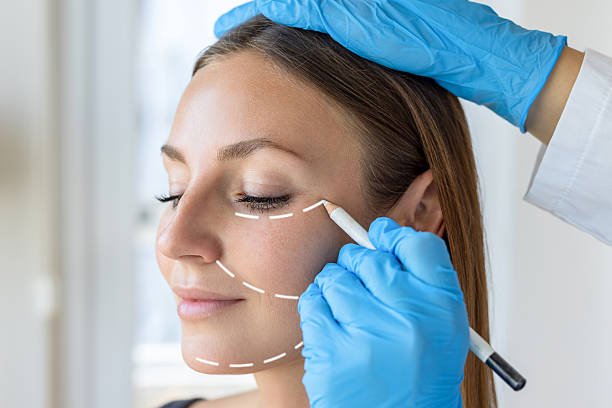
Facial aging can gradually change the way the face looks, with loose skin, jowls, reduced jawline definition, and folds becoming more noticeable over time. While some people are comfortable with these changes, others may want to restore a firmer and more youthful facial contour. For those exploring Facelifts in Abu Dhabi, understanding whether a facelift matches their personal rejuvenation goals is an important step before considering treatment. A facelift is primarily designed to address visible sagging and tissue descent, making it particularly relevant for people whose main concerns involve laxity rather than isolated surface-level skin changes.
What Is a Facelift Designed to Achieve?
A facelift is a surgical facial rejuvenation procedure intended to improve visible signs of aging in the lower and, depending on the technique, middle regions of the face. Rather than simply tightening the surface of the skin, modern facelift approaches can reposition underlying facial tissues and then redrape the skin over the improved contours.
The procedure may help address concerns such as jowls, loose lower-face skin, and reduced definition along the jawline. Depending on the individual’s anatomy and treatment plan, the upper neck may also be improved.
The central objective is rejuvenation rather than changing someone’s fundamental facial identity. A well-planned facelift aims to create a fresher contour while maintaining natural facial proportions.
Is Facial Sagging Your Main Concern?
One of the most important questions to consider is what aspect of facial aging bothers you most. If your primary concern is loose or sagging skin, a facelift may correspond well with your goals.
Facial tissues naturally descend with age because of changes in skin elasticity, connective tissues, fat distribution, and underlying support. These changes can create jowls along the jawline and make the lower face appear heavier.
A facelift directly addresses tissue descent and excess skin, making it different from treatments primarily intended to improve surface texture or isolated lines. If your concern is mainly about facial laxity, surgical lifting may offer a more comprehensive approach.
What If Your Main Concern Is Fine Lines or Skin Texture?
A facelift is not designed to correct every sign of skin aging. Although repositioning facial tissues can create a smoother overall appearance, it does not fundamentally change skin pigmentation, texture, or every fine line.
People whose primary goals involve superficial skin quality may have concerns that fall outside the main purpose of facelift surgery. Similarly, facial volume changes can influence an aged appearance without being caused by sagging alone.
Understanding this distinction is essential when evaluating whether a facelift fits your goals. The procedure is most directly suited to structural changes involving laxity and tissue descent.
Can a Facelift Restore Jawline Definition?
Loss of jawline definition is a common reason people consider facial rejuvenation. As tissues descend, they can gather around the lower cheeks and form jowls, obscuring the natural outline of the jaw.
A facelift can reposition these descended tissues and manage excess skin, potentially restoring a cleaner mandibular contour. The improvement can make the lower face appear more structured without requiring a complete change in facial shape.
For people whose main goal is to regain definition that has gradually disappeared with aging, this aspect of facelift surgery can be particularly relevant.
What About Loose Skin Around the Neck?
The jawline and neck are closely connected, so facial laxity can affect how the neck looks. When lower-face tissues descend, they may contribute to a less distinct transition between the jaw and neck.
Depending on the surgical approach and individual anatomy, a facelift can improve the upper neck along with the lower face. However, the extent of neck improvement depends on where the laxity occurs and whether additional neck-specific concerns are present.
A personalized assessment is therefore important for anyone whose rejuvenation goals include both facial and neck definition.
Is a Facelift Suitable for Natural-Looking Rejuvenation?
Many people considering facial rejuvenation want to look fresher without appearing dramatically different. Modern facelift techniques can be planned around this objective by focusing on repositioning tissues rather than simply pulling the skin tightly.
The underlying facial structures, tissue descent, skin elasticity, and existing facial proportions all influence the result. The aim is generally to restore tissues toward a more youthful position while preserving the characteristics that make the face recognizable.
Natural-looking rejuvenation is therefore closely connected to individualized surgical planning and realistic expectations.
How Do Your Expectations Affect Suitability?
Having realistic goals is an important part of determining whether a facelift is right for you. A facelift can improve sagging and restore definition, but it cannot stop the natural aging process or reproduce the facial appearance of an earlier age exactly.
The best candidates are typically people who understand what the procedure is designed to address and have goals that correspond with those capabilities. Wanting a fresher, firmer, and more defined appearance is different from expecting every visible sign of aging to disappear.
A clear understanding of the procedure can make it easier to decide whether surgical rejuvenation aligns with your expectations.
Why Individual Facial Assessment Matters
No two faces age in exactly the same way. One person may have significant jowling but relatively little neck laxity, while another may have prominent loose skin extending from the cheeks to the neck. Some individuals may also have substantial volume changes that contribute to their appearance.
For this reason, deciding whether a facelift is appropriate requires consideration of the whole face rather than one isolated feature. Skin quality, tissue position, facial structure, degree of laxity, and the location of aging changes all contribute to treatment planning.
An individualized approach can help distinguish concerns that a facelift is well suited to address from those that may require a different form of facial rejuvenation.
When a Facelift May Align With Your Goals
A facelift may be particularly relevant when your primary concerns involve moderate to significant facial laxity, jowls, loose lower-face skin, or reduced jawline definition. It can provide structural rejuvenation by repositioning tissues rather than focusing solely on the surface of the skin.
The procedure may also appeal to people seeking a longer-lasting surgical approach to visible facial sagging. However, suitability ultimately depends on individual anatomy, tissue characteristics, expectations, and overall facial rejuvenation objectives.
The most important question is not simply whether a facelift is popular, but whether its capabilities match the changes you want to improve.
Making an Informed Facial Rejuvenation Decision
Choosing facial rejuvenation begins with identifying what makes you feel that your appearance has changed. If the primary issue is sagging and tissue descent, a facelift may address the underlying cause more directly than treatments focused only on the skin surface.
If your goals instead center on texture, pigmentation, isolated lines, or volume, a facelift may not address every concern. Recognizing these differences allows you to approach facial rejuvenation with realistic expectations and a clearer understanding of what each procedure is intended to accomplish.
Ultimately, the right choice is the one that corresponds with your individual anatomy and aesthetic priorities. A facelift can be an effective option for restoring a firmer, more youthful facial contour when visible laxity is the central concern.
FAQs
How do I know if a facelift matches my facial rejuvenation goals?
A facelift may be appropriate when your main concerns involve sagging skin, jowls, tissue descent, or loss of jawline definition. If your primary concerns are surface skin quality or isolated facial features, another approach may be more relevant.
Can a facelift make me look younger?
A facelift can reduce visible signs of facial laxity and restore a more youthful position to descended tissues. However, it is intended to rejuvenate your existing appearance rather than recreate an earlier version of your face.
Will a facelift improve my jawline?
Yes, a facelift can reduce jowling and reposition lower-face tissues, which may restore greater definition along the jawline. The extent of improvement depends on your facial anatomy and degree of laxity.
Can a facelift address both my face and neck?
Depending on the technique and your individual anatomy, a facelift can improve lower-face laxity and contribute to a smoother upper-neck contour. More extensive neck concerns may require additional consideration during treatment planning.
Is a facelift the right choice for every sign of facial aging?
No. A facelift is primarily intended to address tissue descent and excess laxity. It does not directly target every aspect of aging, such as pigmentation, skin texture, isolated fine lines, or all forms of facial volume change.